Rethinking Facial Eczema - Part 2: Root Causes, Soil Oxygen & Biological Solutions - How to S5E14 🦠

Hi Everyone,
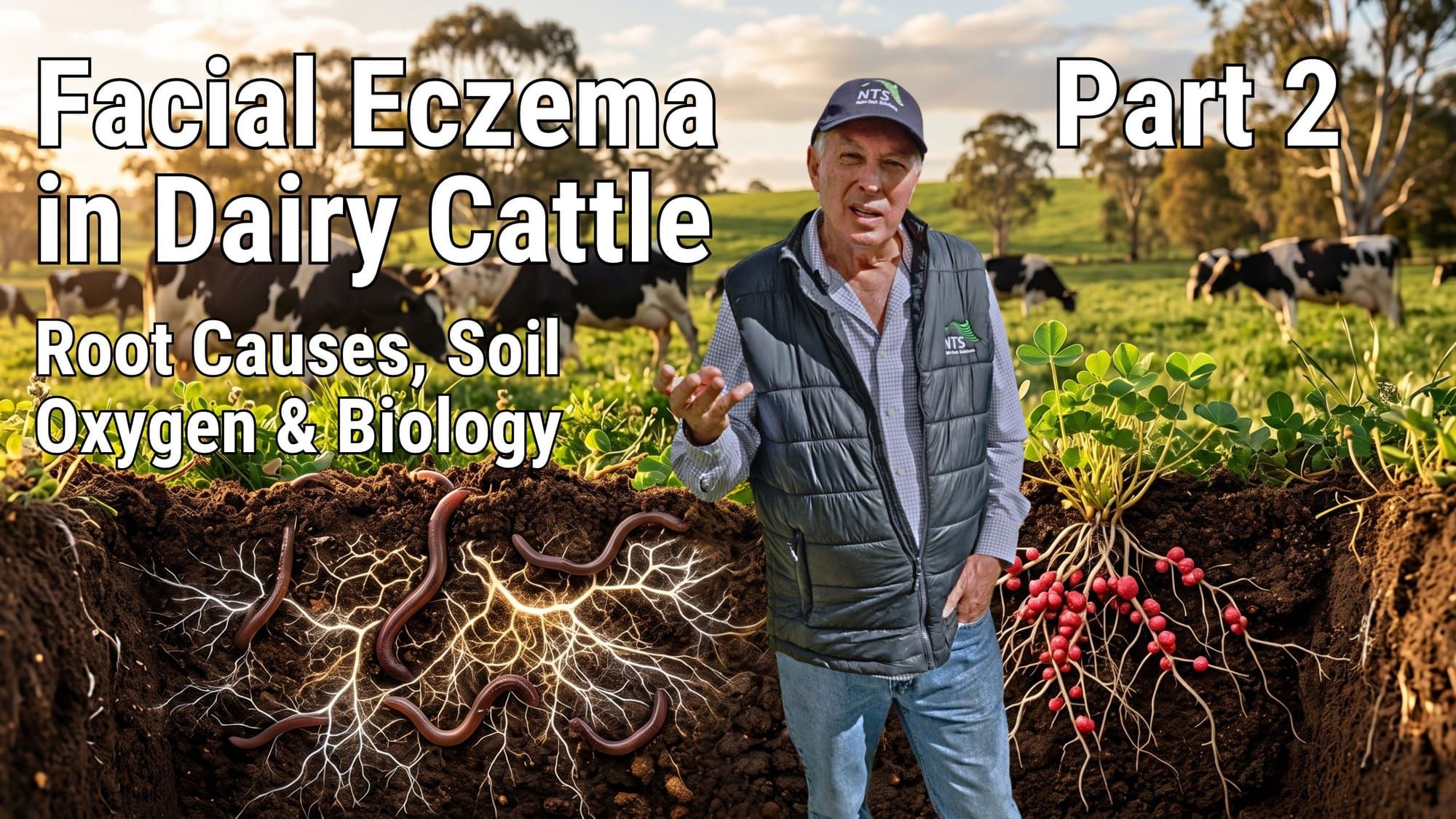
Welcome to another deep dive into the profound interplay between soil fertility, animal vitality, and human health. At Nutri-Tech Solutions, our core philosophy rests upon the understanding that we must treat root causes rather than symptoms. When managing recurring livestock challenges like facial eczema, we cannot simply rely on late-stage interventions; we must examine the biological and mineral foundations of the paddock itself.
Unlocking Soil Oxygen and Base Saturation
The primary driver of crop and pasture performance is not nitrogen, phosphorus, or pH—it is oxygen. Every carbon-based life form requires oxygen to thrive, and your soil life is no exception. The capacity of a soil to breathe through passive gas exchange is governed by its calcium-to-magnesium ratio. Calcium is a large, doubly charged cation that pushes clay particles apart in a process called flocculation, allowing the soil to open up and intake atmospheric oxygen. Conversely, magnesium acts like a tiny golf ball that tightly binds clay particles together. When magnesium dominates, the soil becomes tight, waterlogged, and anaerobic—creating the exact ideal habitat for opportunistic fungal pathogens like Pithomyces chartarum to proliferate within decaying ryegrass thatch. By balancing base saturation toward a target of 68% calcium, we restore soil aeration, drive carbon dioxide out to fuel plant photosynthesis, and naturally suppress pathogen pressure.
The Molybdenum Missing Link and Cell Wall Armouring
To build true biological resilience, we must also focus on the micronutrient triggers that drive plant immunity and nitrogen fixation. If you inspect your pasture clovers and find pale or white root nodules instead of a vibrant ruby red, your legumes are failing to fix atmospheric nitrogen. That essential red pigment is leghemoglobin, and its production relies entirely on molybdenum. Without molybdenum, the nitrogenase enzyme cannot function, leaving plants reliant on synthetic inputs. Furthermore, combining soluble calcium with soluble silica creates structural armour within the plant cell wall, effectively buckling the invading hyphae of fungal pathogens before they can establish. Applying affordable rock dusts like fine basalt crusher dust delivers plant-available silica along with paramagnetic energy to re-energise worn-out soils.
Diversifying Pastures and Harnessing Probiotic Tools
Moving beyond monoculture ryegrass is essential for eliminating the breeding ground of toxic fungal spores. Introducing multi-species cover crop blends containing at least five distinct plant families—grasses, legumes, brassicas, cereals, and chenopods—triggers a remarkable physiological phenomenon. When chenopods such as quinoa, amaranth, or fat hen make up just 1% of a pasture blend, plant roots communicate to release a flood of phenolic compounds. These powerful antioxidants send your soil microbial workforce into hyperdrive, rapidly digesting surface thatch and rebuilding humus. Complementing this pasture diversity with humates, kelp extracts, and beneficial anaerobic microbes (BAM) creates a resilient microbial bridge from soil to pasture, and ultimately to livestock health.
You’ll also discover:
- The Molybdenum Fix: How a simple 100 g/ha foliar application of sodium molybdate reactivates leghemoglobin and solubilises locked-up calcium and phosphate.
- The Fungi-to-Bacteria Balance: Why regular soil testing with a Microbiome Meter reveals your true underground workforce.
- Precision Drone Foliar Spraying: Why atomising droplets down to 50 microns increases stomatal uptake and halves urea requirements.
- Subclinical Liver Protection: Understanding why subclinical facial eczema damages liver tissue months before external symptoms manifest.
- Free-Choice Livestock Minerals: Harnessing the innate wisdom of cattle with sodium humates to increase cellular membrane permeability by 30%.
- Transdermal Mineral Absorption: Why applying magnesium sulphate or handling trace elements impacts metabolic load through the skin faster than oral ingestion.
Wishing you all a happy, healthy and productive Spring 🌱
Warm regards,
Graeme Sait
Founder, Nutri-Tech Solutions
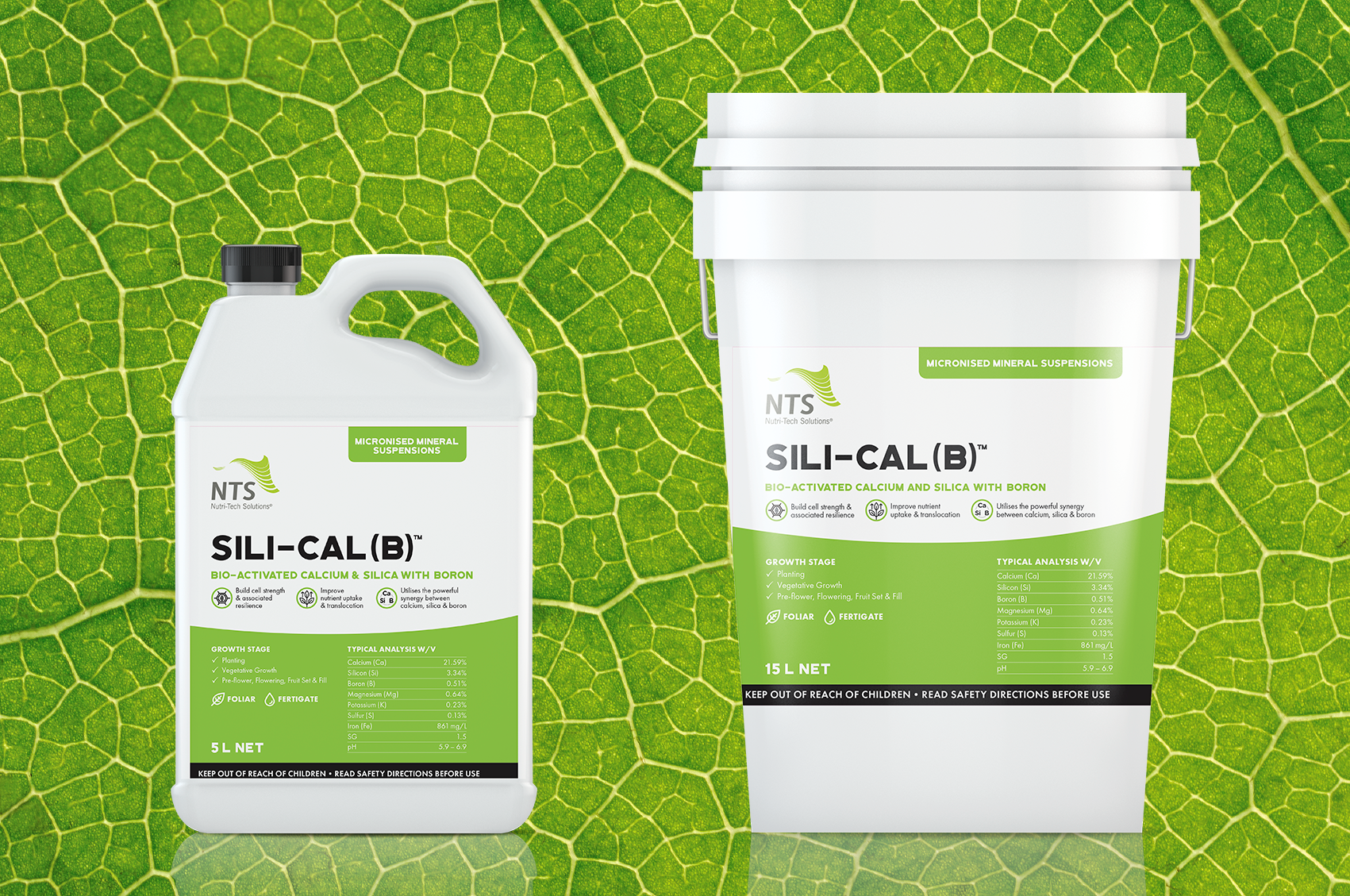
Sili-Cal (B)™
Bio-activated calcium and silica with boron.
A unique combination of three synergistic cell-strengthening elements: Silica, Calcium and Boron. Sili-Cal (B)™ is an invaluable nutritional inclusion for improving crop resilience and maximising productivity.
The plant cell wall is the physical barrier that helps to avert insect and disease entry. The two elements that toughen that barrier are calcium and silicon, but boron is the third leg of the stool, providing the foundation for crop protection. Boron is a calcium synergist with its own additional resilience functions.
Sili-Cal (B)™ contains luxury levels of these vital cell-strengthening elements in a convenient liquid application with high compatibility with many inputs. Silica and calcium are typically the least user-friendly of all minerals, but in this unique formula, they can be combined with everything.
In addition to its role in cell strengthening and resilience, calcium is also required for fruit and vegetable quality and flavour. Silica, for example, has several other roles, including stem strength and nutrient translocation and, most importantly, according to recent research, a major broad-spectrum immune elicitor.
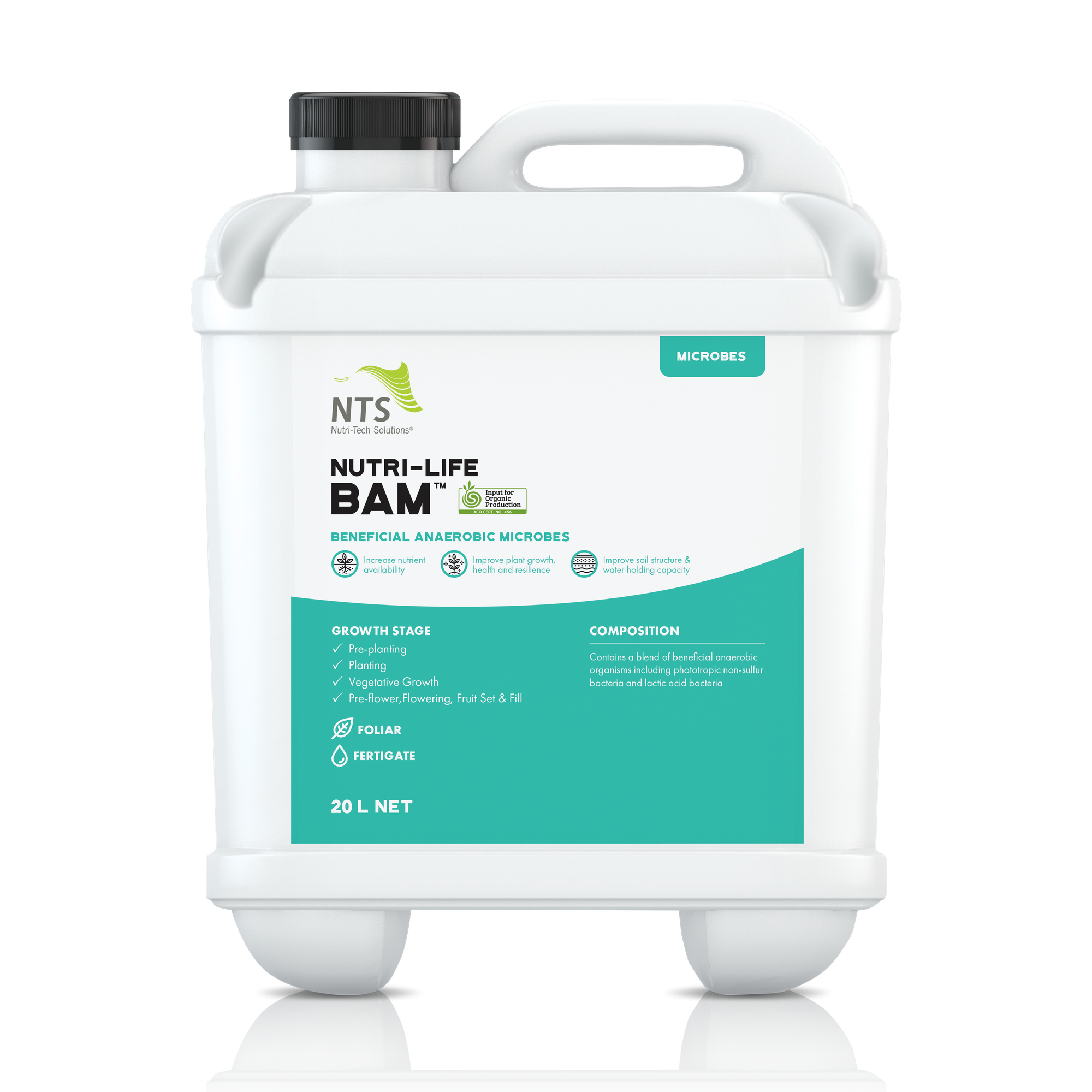
Nutri-Life BAM™
Multipurpose blend of anaerobic species for soil, compost and plant health.
This breakthrough probiotic blend contains lactic acid bacteria and purple non-sulphur bacteria, plus beneficial yeasts and microbial exudates.
To order or learn more, call NTS on (07) 5472 9900 or email sales@nutri-tech.com.au.
Certificate in Nutrition Farming
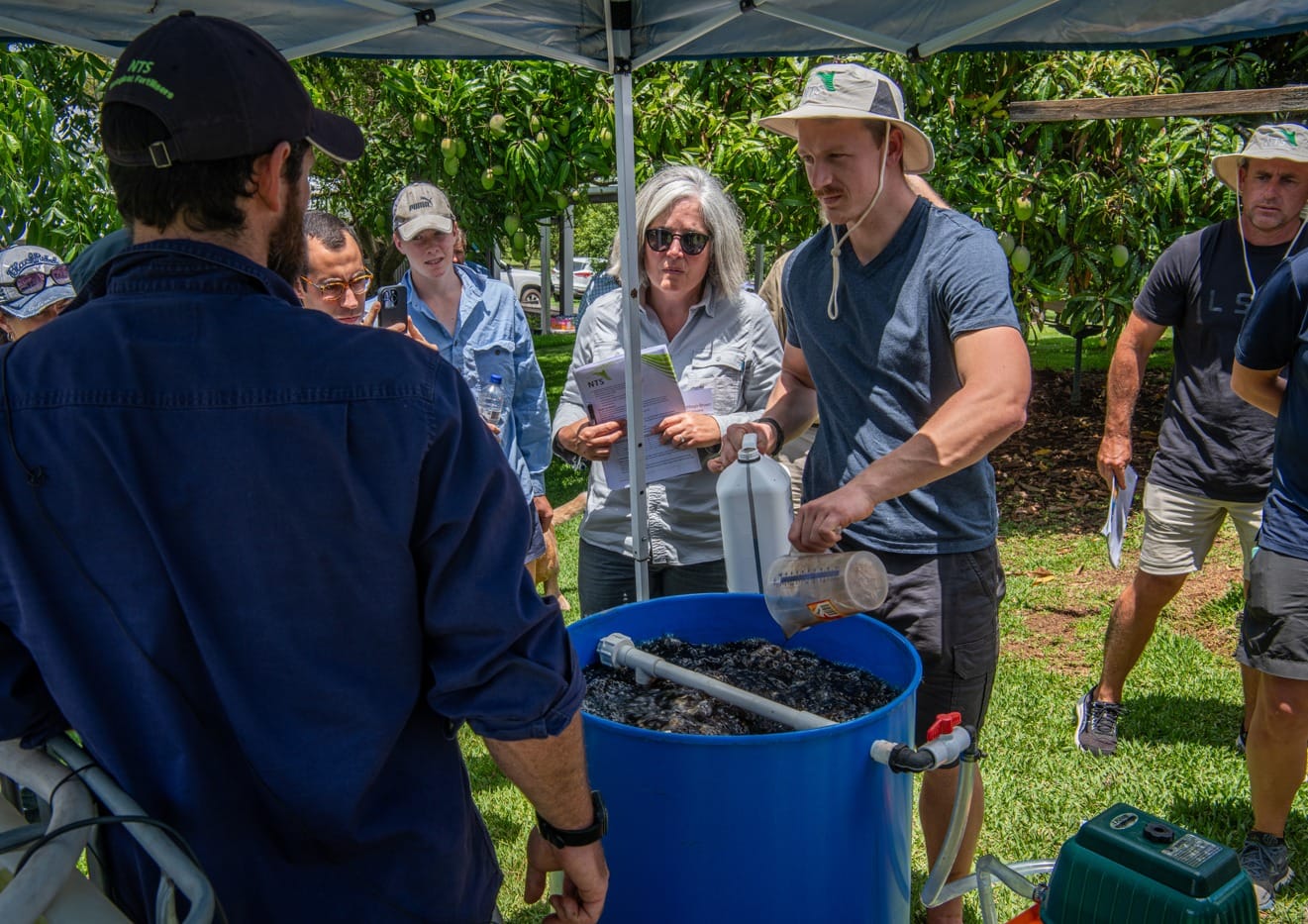
Our next iconic, five-day Certificate in Nutrition Farming® course is scheduled for November 2026: Monday 2nd - 6th.
Our last course was attended by growers and consultants from six countries. It was a wonderful learning opportunity where attendees enjoyed a wealth of education and inspiration from both our presenters and their fellow attendees. We only accept 40 bookings for these courses, so please register if you would like to attend.