Free Nitrogen is Just The Start! - The Multifunctional Benefits of Azotobacter 🦠

By Graeme Sait
Nitrogen prices remain volatile, and this adds another layer of financial stress to farming enterprises battling fuel hikes, labour cost increases, and cost-of-living increases in general.
In the following summary, you will discover that you can seriously reduce nitrogen bills while also reducing the need for chemical intervention.
I want you to understand the potential of one of my favourite beneficial bacteria, the free-living nitrogen fixer, Azotobacter
You may be aware that Azotobacter is primarily celebrated as a free-living nitrogen fixer that harvests atmospheric nitrogen gas and converts it into ammonium nitrogen in your soils. However, this is just the start of a bounty of benefits. Let’s list some of these secondary benefits :
- Hormone & Vitamin Production: It synthesises four major plant hormones crucial for growth and delaying plant aging (including cytokinins, gibberellins, and auxins), along with six different B-vitamins, that boost plant immunity.
- Phosphate Solubilisation: It breaks down locked-up, insoluble phosphorus reserves in the soil, converting them into a plant-available food source.
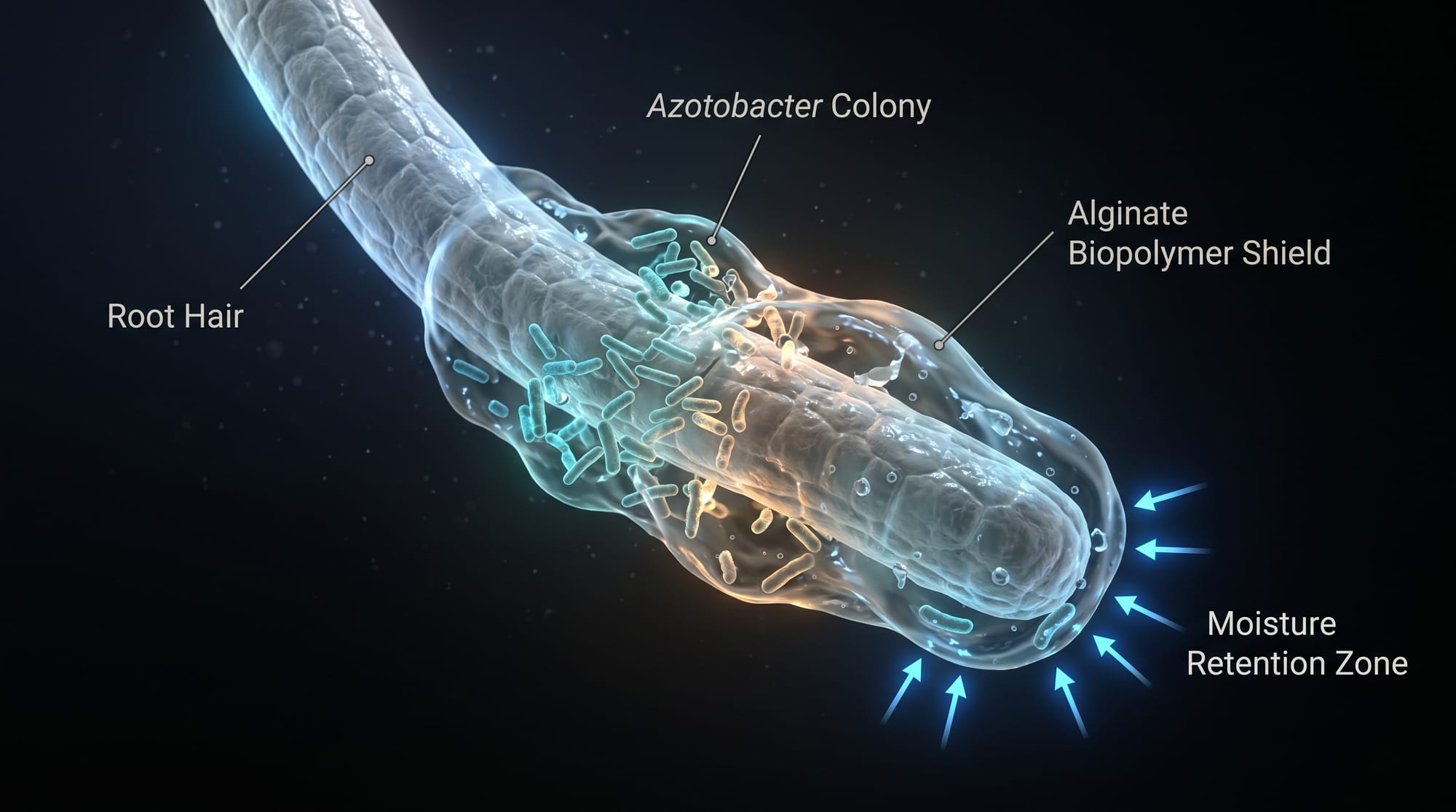
- Moisture Retention: It generates biopolymers (like alginate), that coat the root zone, acting like a moisture-retaining sponge to improve soil structure and water infiltration
- Pathogen Suppression: It produces natural antibiotics that help suppress notorious soil-borne diseases like Fusarium, Rhizoctonia, and Alternaria. It also creates siderophores—compounds that tie up free iron, effectively starving iron-dependent pathogens around the root zone.
- Urea Synergy: Azotobacter is highly urea-adaptive. Combining it as a foliar poly-spray with urea and amino acids allows farmers to dramatically reduce synthetic nitrogen applications, lowering production costs and cutting nitrous oxide emissions
That's a pretty impressive package, but there are some requirements that will optimise your results, should you choose to embrace Azotobacter.
There are three key considerations here, including the following:
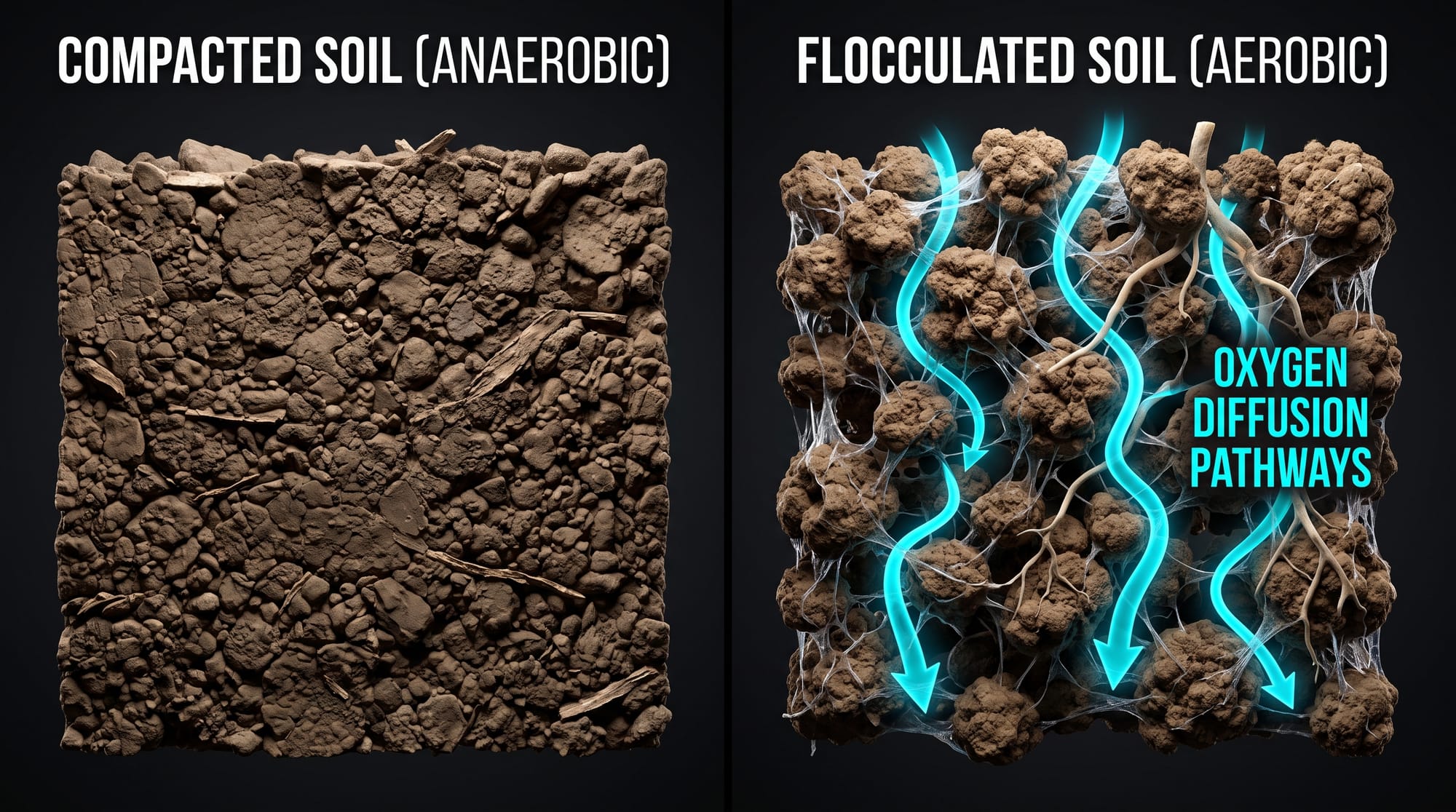
- Extreme Need for Oxygen: Azotobacter is the most aerobic organism on the planet. If the soil is tight, closed, or high in magnesium, it cannot "breathe". In suffocating soils, farmers may need up to 50% more synthetic nitrogen because these free-living organisms cannot survive to do their job. Improving the soil's calcium-to-magnesium ratio is vital to flocculate (open up) the soil. Improving your fungi-to-bacteria ratio (aiming for a ratio of 1:1) is the biological link to creating a breathing soil.
- Trace Minerals: The nitrogenase enzyme that Azotobacter uses to fix nitrogen is highly dependent on molybdenum and cobalt. Ensuring trace mineral balance is key to maximising their efficiency. This can involve as little as 50 grams of sodium Molybdate per hectare and 50 grams of cobalt sulphate per hectare.
- Energy Needs: Because nitrogen fixation is an incredibly energy-intensive process, these bacteria rely heavily on root exudates (carbohydrates and proteins pumped out by healthy plant roots) for fuel. Molasses can be a great source of this energy, as can foliar fertilising to fast-track chlorophyll density
The exciting thing about this multifunction marvel relates to the fact that it can be simply multiplied on a farm to drastically reduce the cost. Here are some essentials for brewing Azotobacter:
On-Farm Brewing Protocol
- Nitrogen-Free Food Source: Because Azotobacter fixes its own nitrogen, brewing it requires a specialised, nitrogen-free microbial food source. Introducing nitrogen to the brew tank will cause the bacteria to stop fixing nitrogen and halt optimal reproduction.
- The 3 to 5-Day Brew: Unlike typical 24-hour bacterial brews, Azotobacter requires a 3 to 5-day aerobic brewing cycle with constant, heavy aeration to keep dissolved oxygen levels high.
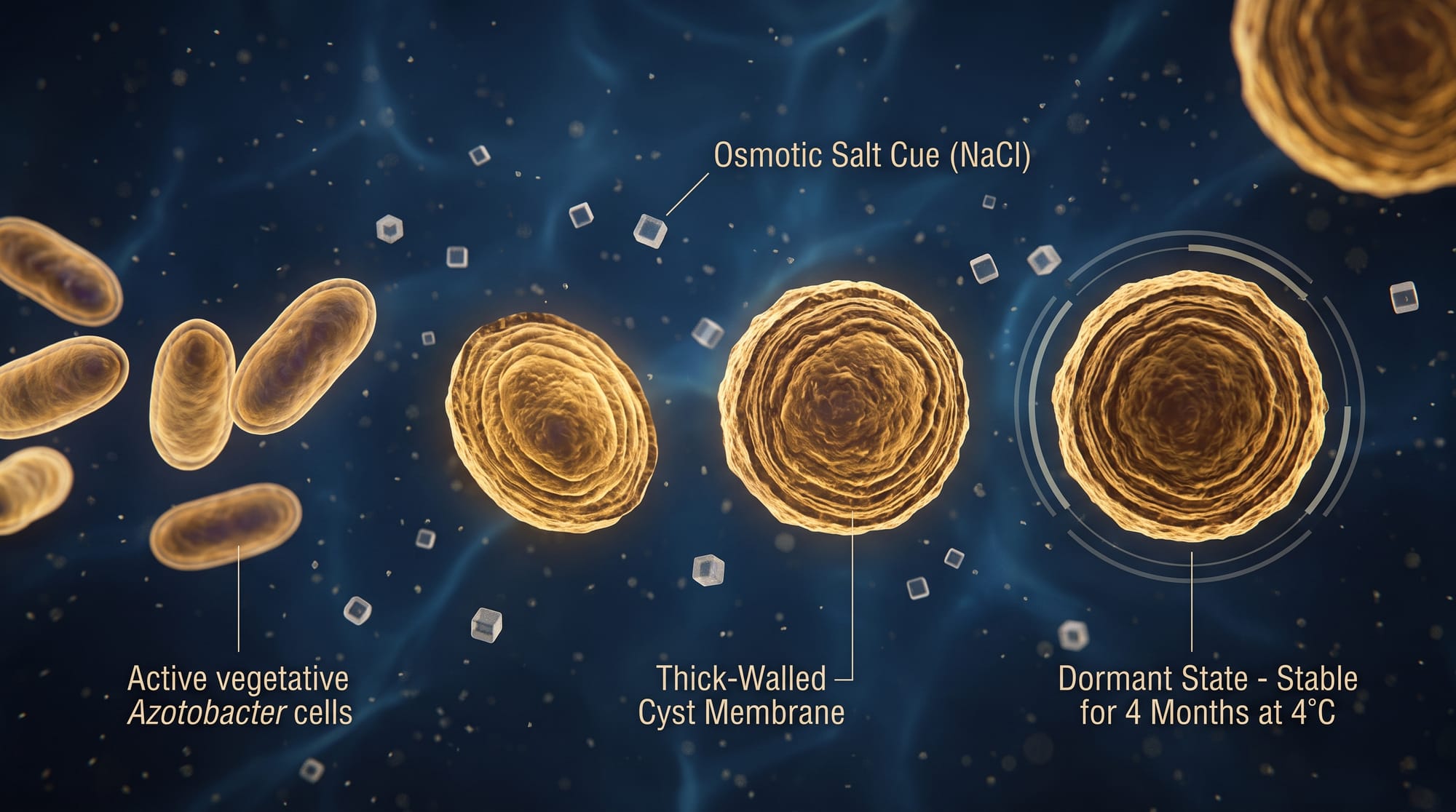
- Cyst Formation and Storage: At the end of the 3 to 5 days, the liquid culture can be intentionally stressed. This causes the Azotobacter to form protective, thick-walled cysts. Once in cyst form, the brew can be stabilised and safely stored in a cold room at 4°C for 4 months. This allows farmers to store their highly economical bio-fertiliser until it's time to apply.
Azotobacter tips and cautions
You will soon learn how to successfully multiply Azotobacter on the farm, but there are some cautions when dealing with DIY Azotobacter inoculum.
1) Don’t overapply - There is a human tendency to think that if a little bit works well, then let’s put more on. That’s called the moron approach, and it is most definitely not a good plan with Azotobacter. When you have brewed them yourself, their cost is hugely reduced, so there is even more likelihood of throwing on more than is needed. If you were to flood the root zone with Azotobacter, then you risk an unproductive imbalance of beneficials in the root zone. This will gradually self-correct in this dog-eat-dog world. However, azotobacter are particularly competitive, so there will be some attrition. More importantly, an oversupply can lead to overuse of oxygen (remembering that they are so highly aerobic). This can theoretically negatively affect both plants and soil life. Suitable application rates are 1 to 2 litres per hectare for the soil and one litre per hectare as a foliar rate. The seed treatment rate is just 1 litre per tonne of seed. Seed treatment represents a tiny cost for substantial gain.
2) Application timing - Azotobacter are UV sensitive, so foliar sprays should be applied late afternoon. Soil applications work best when moisture levels are good. These organisms operate best in warm conditions but avoid extremes.
3) pH considerations - Azotobacter perform best at a neutral pH (pH 7), so avoid combining them with acidic fertilisers or acidic farm chemicals. The ideal brewing pH is also 7.
4) Don’t combine with fungicides - it is often assumed that fungicides will not hurt beneficial bacteria, but this is not the case. The mode of action of many fungicides will also negatively impact bacteria. For example, some fungicides disrupt cell membranes or inhibit cellular respiratory function. In both cases, Azotobacter will be negatively affected. Broad-spectrum fungicides that are copper-based will kill both fungi and bacteria. That’s why copper is never to be included with any microbial brew. It is a powerful biocide that will kill Azotobacter in the tank at really low rates.
5) Avoid combining azotobacter inoculums with nitrate-based fertilisers - this will not kill azotobacter, but it can reduce their nitrogen-fixing capacity. Urea has a different release pattern, and Azotobacter can happily work in concert with urea. The pH of urea is also more suitable. Calcium nitrate has a much lower pH than urea.
6) Productive lunch box - Azotobacter loves a good carbon source to optimise their nitrogen fixation, and the most suitable food sources, to be included at application include fulvic acid and molasses. Soluble Fulvic acid powder should be included in the spray tank at one gram per 2 litres or 100 grams in 200 litres. Molasses could be included at the rate of 2 to 5 litres per hectare.
How to brew your own Azotobacter.
Multiplying microbes on the farm is fast becoming an integral component of the regenerative approach. A core facet of this approach is the concept of working more closely with a natural system and getting back to root causes, rather than the increasingly costly and unproductive symptom-treating mainstream model. When we reclaim biodiversity and introduce task-specific problem solvers with DIY inoculums, we are at the coal-face of genuinely cost-effective fertility building.
On-farm brewing rules
There are some basic rules that apply to on-farm brewing, which will help ensure optimum performance of your new microbial workforce. These rules apply to all DIY brews and include:
1) Hygiene - the aim here is to avoid the multiplication of unwanted organisms, some of which may be pathogens. The dam water and tank water you might use to grow your organisms are notoriously contaminated. This water needs to be cleansed before you commence brewing. This typically involves the use of pool chlorine at label rates. The chlorine must then be off-gassed overnight with your aerator system activated. There should be zero chlorine smell arising from the bubbling solution before you start brewing.
The brewing tank and associated pipework should be sterilised immediately before use and immediately after each brew. This is best achieved with hydrogen peroxide.
2) Oxygenation - oxygen is an integral component of a successful microbe brew. In good conditions, Bacteria subdivide every 20 minutes. 12 hours into a 24-hour brew, you are dealing with trillions of organisms all sucking oxygen. If you are not delivering sufficient dissolved oxygen in the brewing tank, you will end up with a tank full of dead guys!. The problem here is that you may not even realise that you have failed. Azotobacter have more need for oxygen than most. In fact, they are the most aerobic of all organisms. Commercial brewers have usually been developed to deliver sufficient oxygen throughout the brewing process. This involves large numbers of tiny bubbles, as these minuscule bubbles have greater surface area from which to disperse oxygen into water. If you are using a DIY setup, then you need to beg, borrow or buy a dissolved oxygen meter to ensure your system is delivering enough oxygen throughout the brewing process.

3) Microbe Food - different organisms require different food to optimise their multiplication. Beneficial fungi require more complex carbohydrates, while bacteria prefer simple carbohydrates like molasses and fulvic acid. Azotobacter do not like nitrate nitrogen as a food source, as it can compromise their N-fixing development. Aloe Vera is a good food source for both fungi and bacteria; in fact, it grows microbes as effectively as a lab growing medium like agar. Liquid fish is another generalist that can also feed fungi, bacteria and protozoa.
4) Ideal brewing temperature - different microbes thrive at different ideal brewing temperatures. In general, bacteria require warmer conditions than fungi. Most bacteria like water temperatures between 27 and 30 degrees, while fungi do best in temperatures ranging from 20 to 25 degrees. In summer, you can warm up the water in the sun or add a little hot water to reach the desired temperature before commencing brewing. In winter, you are best advised to invest in a tank heater. On my farms, we use silica gel blankets that wrap around 200-litre brewing tanks like an electric blanket. They are fitted with a thermostat and cost a couple of hundred dollars each. There are also tank heaters that can be inserted into the water to achieve the most productive brewing temperature.
5) Brewing time - most bacterial brews are completed within 24 hours, but azotobacter are different. They require a minimum of five days to multiple effectively. Protozoa take two days, and fungal brews usually take 24 to 48 hours.
OK, now you understand the basic principles of on-farm brewing. Let’s now look at a recipe to multiply Azotobacter and reap the many rewards
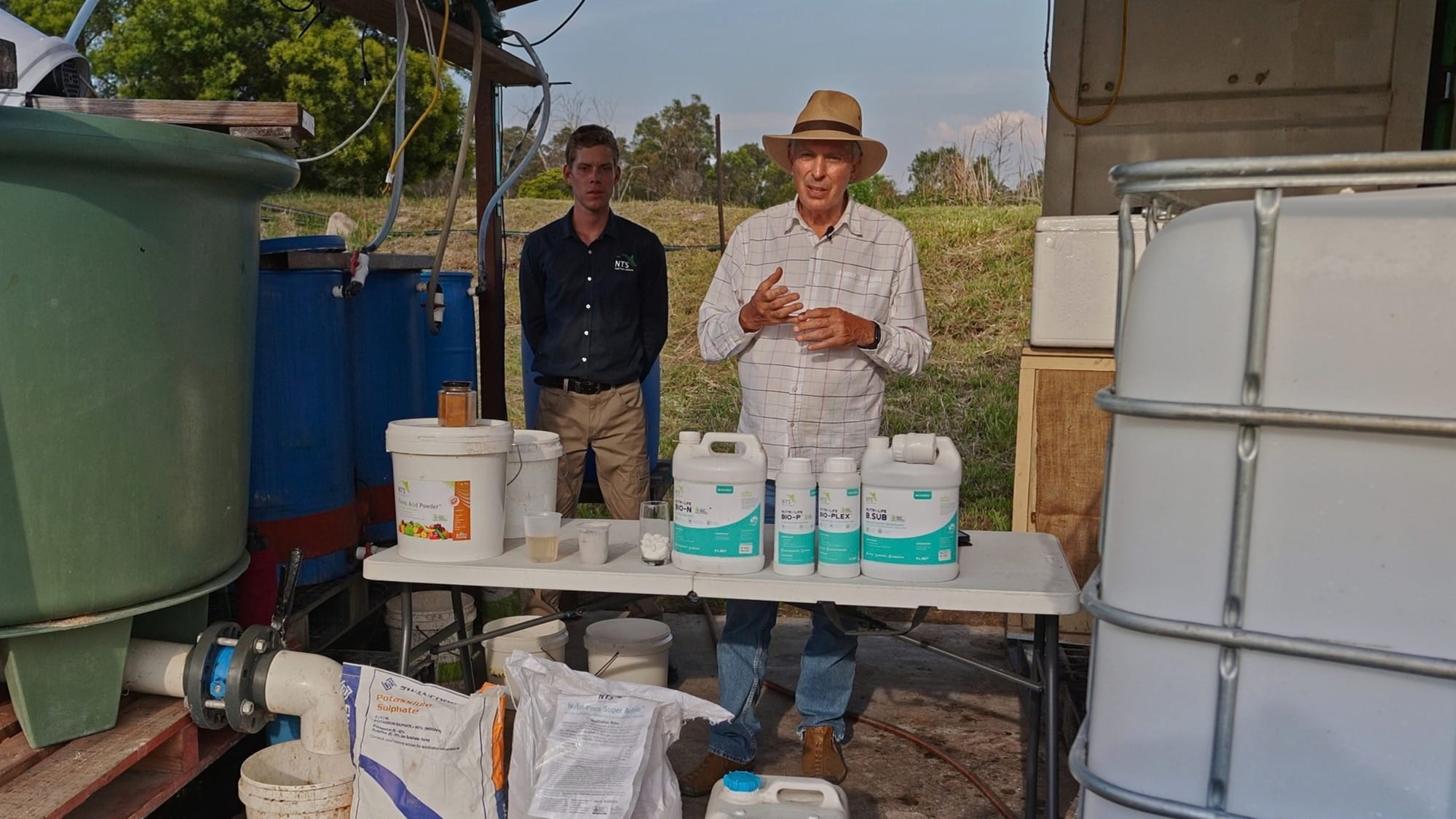
200 litre brewing recipe for Azotobacter
- 185 litres of sterilised water - again, this typically involves the addition of pool chlorine at label rates, which is bubbled off overnight.
- 5 litres of Bio-Plex/Bio-N/Bio-P
- 4L of Molasses
- 3L of Aloe-Tech - this is a liquid aloe Vera concentrate with amazing biostimulation capacity
- 200g of MKP - Mono Potassium Phosphate provides the P and K that Azotobacter seem to enjoy during the multiplication process
- 200ml of Sea Minerals - this is 73 ocean minerals, minus the sodium, and it provides for robust expansion of the azotobacter inoculum
- 200g of soluble fulvic acid powder - fulvic is often considered the most powerful of bacterial stimulants
As mentioned earlier, the ideal brewing temperature for Azotobacter is 25 to 30 degrees.
I also touched upon this earlier, but it’s important. The huge point of difference between this and any other bacterial brewing protocol is the brewing time. Azotobacter take a minimum of 3 to 5 days for the multiplication process. We had tried to brew these organisms in our lab but had never succeeded. There were two mistakes involved. We were brewing for just 24 hours, and we were including nitrogen in the brew. This is a real no when brewing these nitrogen fixers.
Another exciting point of difference relates to application rates and storage tips.
Let’s look more closely at this.
Application and storage tips for DIY azotobacter brews.
NTS has offered specialist Azotobacter inoculums for at least two decades, but this is the first time we have been able to share a brewing strategy, and I’m really pumped about the potential. Our concentrated products are used at just one litre per hectare. I’m not sure your home brew will be quite that concentrated, so it may require higher rates.
The NTS azotobacter inputs you may choose to multiply on farm include the following three products.
1) Nutri-Life Bio N - this blend includes the two most popular and well-researched azotobacter species, including Azotobacter chrococcum and Azotobacter vinelandii
2) Nutri-life Bio-Plex - this involves specialist strains that live on the leaf surface and fix nitrogen directly from the atmosphere into the plant
3) Nutri-Life Bio P - these are azotobacter strains that specialise in P solubilisation. They are really effective in soils with a rich lode of locked up P. Red soils are a good example.
All three of these blends can be multiplied, and the brew can be applied to the soil at 2 litres per hectare, and brewed bioplex can be applied at 1 litre per hectare in broadacre and two litres in more intensive fruit and vegetable production.
The other user-friendly feature of these azotobacter brews is that you can easily encourage them into spore form and then store them at 4 degrees Celsius for 3 to 4 months. They can first be encouraged to sporulate and then stored in the fridge in airtight containers
The best tool to stress them into forming stable spores is the inclusion of sodium chloride in the brew, after the 3 to 5 day brewing process. The appropriate amount of salt varies between 0.5 and 1%. i.e., In the 200 litre brew I have described, an addition of 1.5 kg of salt should stress them sufficiently.
In conclusion….
This was to be a brief summary of benefits and brewing protocols, and then I felt the need to share everything that may determine your Azotobacter success, or lack thereof.
I trust you recognise the vast potential of this sharing. It is a truly exciting proposition to recognise that you can now brew this versatile creature on farm. Azotobacter provides free nitrogen and phosphate while protecting from disease and providing multiple plant growth promotants to build crop yield and quality.
I’m hoping that you are now inspired to experiment with these organisms on your farm.
Wishing you all the best of everything!
Warm regards
Graeme
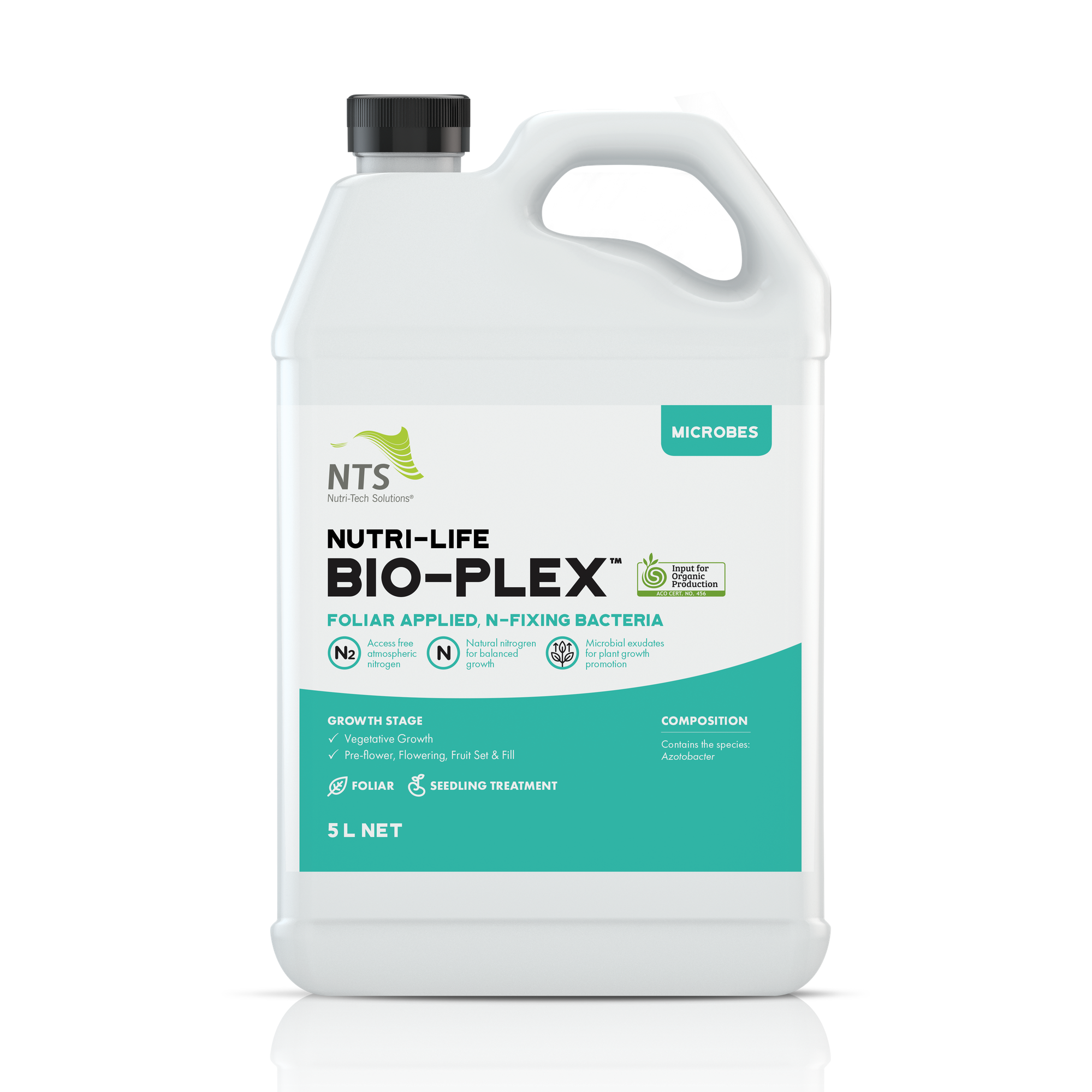
Nutri-Life Bio-Plex™
Biologically induced plant growth promotion achieved through the enhancement of leaf life.
Nutri-Life Bio-Plex™ is a foliar fertiliser that produces a complex, multi-dimensional growth response. It includes finely tuned nitrogen-fixers, which utilise carbon exudates from the leaf to fix nitrogen from the atmosphere directly into the leaf and a range of microbes that release natural growth promotants such as gibberellic acid, cytokinins, auxins and indoleacetic acid. Contains species that produce vitamins including C, E and the B group, as well as a range of organisms that secrete a substance that can help maintain the balance of beneficials on the leaf surface.
Product Benefits
- Australian Certified Organic (ACO) Registered Farm Input 456AI.
- Plant growth promotion.
- Reduced nitrogen costs.
- Higher Brix levels.
- Vitamin supplementation.
- Increased yield and quality.
- No withholding period.
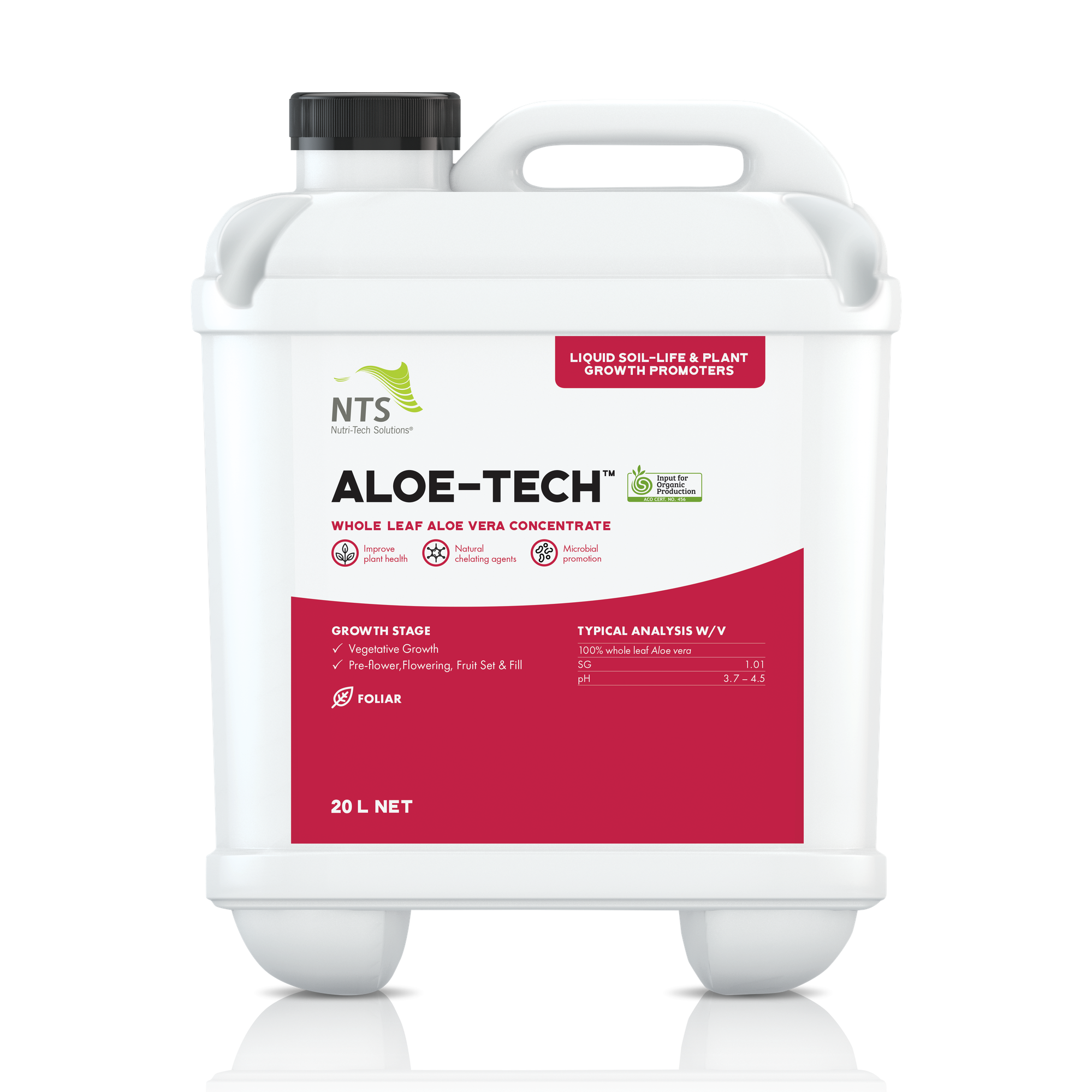
Aloe-Tech™
Christopher Columbus identified four crops which he considered indispensable for human survival and well-being – grapes, olives, wheat and aloe vera.
Aloe vera is a powerful botanical activator and plant growth promotant that increases phytoalexin production and improves overall plant health. Aloe-Tech™ is a whole-leaf aloe vera concentrate (500% stronger than standard aloe extracts). Research suggests that Aloe-Tech™ is the most powerful fungi booster currently available.
Product Benefits
- Australian Certified Organic (ACO) Registered Farm Input 456AI.
- An ideal adjunct for microbe multiplication in the soil, on the leaf or during microbe brewing. Biomass increases of over 1000% have been recorded.
- Contains gibberellins and indole acetic acid, which promote cell replication (plant growth).
- Includes five polysaccharides with considerable capacity for chelation.
- Contains aloins – aggressive bio-chemicals with a broad-spectrum bio-balancing potential.
- Features saponins, which are proven plant growth promotants and potent fungi food in the soil.
- Includes B group vitamins, which can also boost plant growth.
To order or learn more, call NTS on (07) 5472 9900 or email sales@nutri-tech.com.au.
Certificate in Nutrition Farming
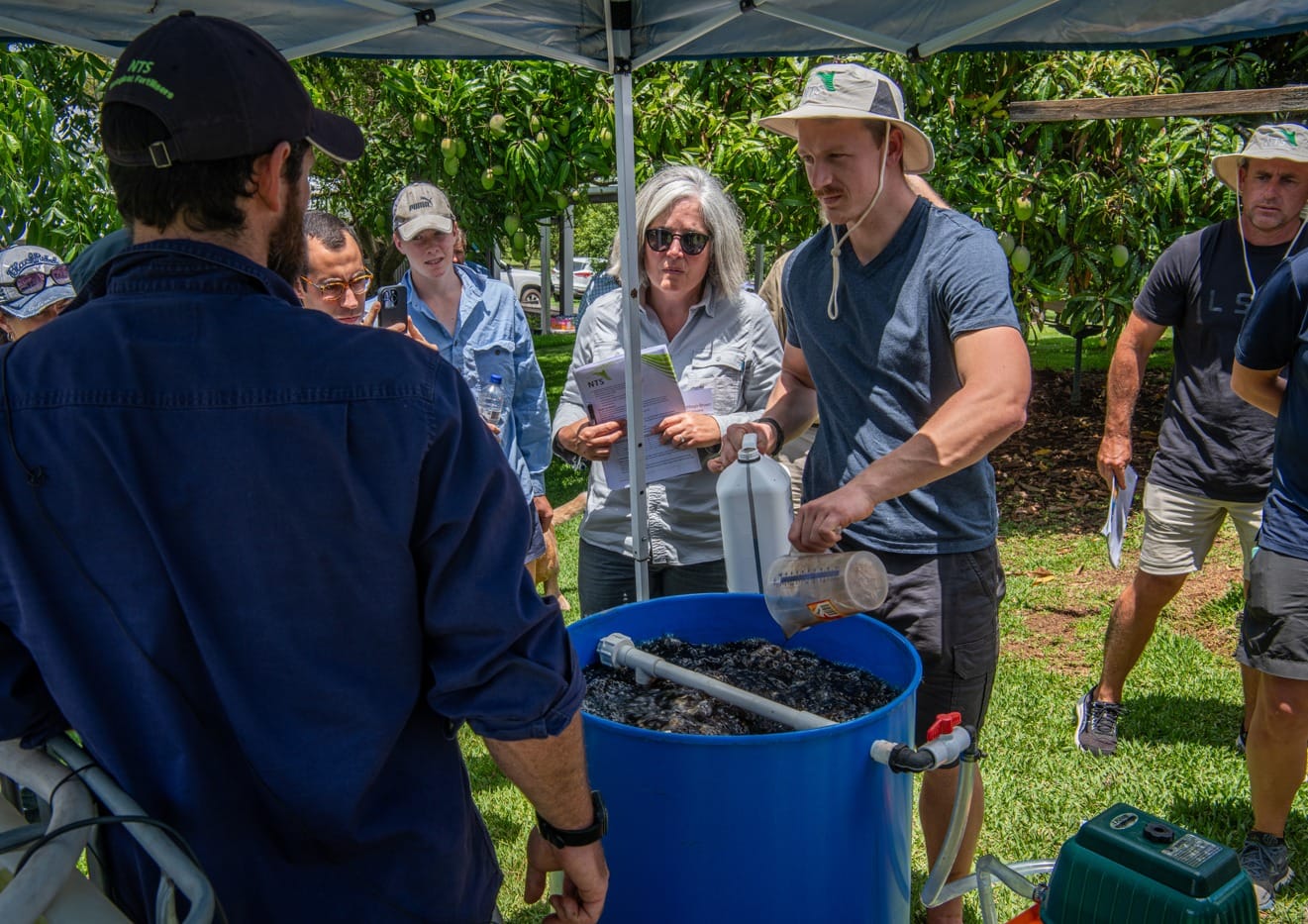
Our next iconic, five-day Certificate in Nutrition Farming® course is scheduled for November 2026: Monday 2nd - 6th.
Did you know that government subsidies are available for farmers via the Farm Household Allowance? Check it out here... https://www.servicesaustralia.gov.au/farm-household-allowance
Our last course was attended by growers and consultants from six countries. It was a wonderful learning opportunity where attendees enjoyed a wealth of education and inspiration from both our presenters and their fellow attendees. We only accept 40 bookings for these courses, so please register if you would like to attend.