The Top Ten Benefits of Kelp on Your Farm - Understanding the Seaweed Essential - Part 2 🌿


By Graeme Sait
Welcome back to part two of this focus on seaweed, as a plant growth promoter, rescue remedy, soil life stimulant and general plant health tonic. We will continue where we left off, beginning with the seventh benefit of kelp on your farm.
7) Kelp is a treasure trove of nutrition - when researching the marvel that is kelp, it’s hard not to think that this amazing plant extract should be applied to every crop, supplied to every farm animal, and it should be an integral part of every healthy human diet. Of course, it is a staple in Asia, but it is past time we developed a taste for this champagne food. It is, as I have mentioned before, the highest known source of iodine, a mineral that many of us lack. It is also a reservoir of the complete range of all 74 minerals found in the ocean. However, that’s just the start. Seaweed is jam-packed with amino acids, sterols, carotenes, fibre, polyphenols, lipids and polysaccharides, many of which are bioactive in the soil and plant as well as in animals and humans.
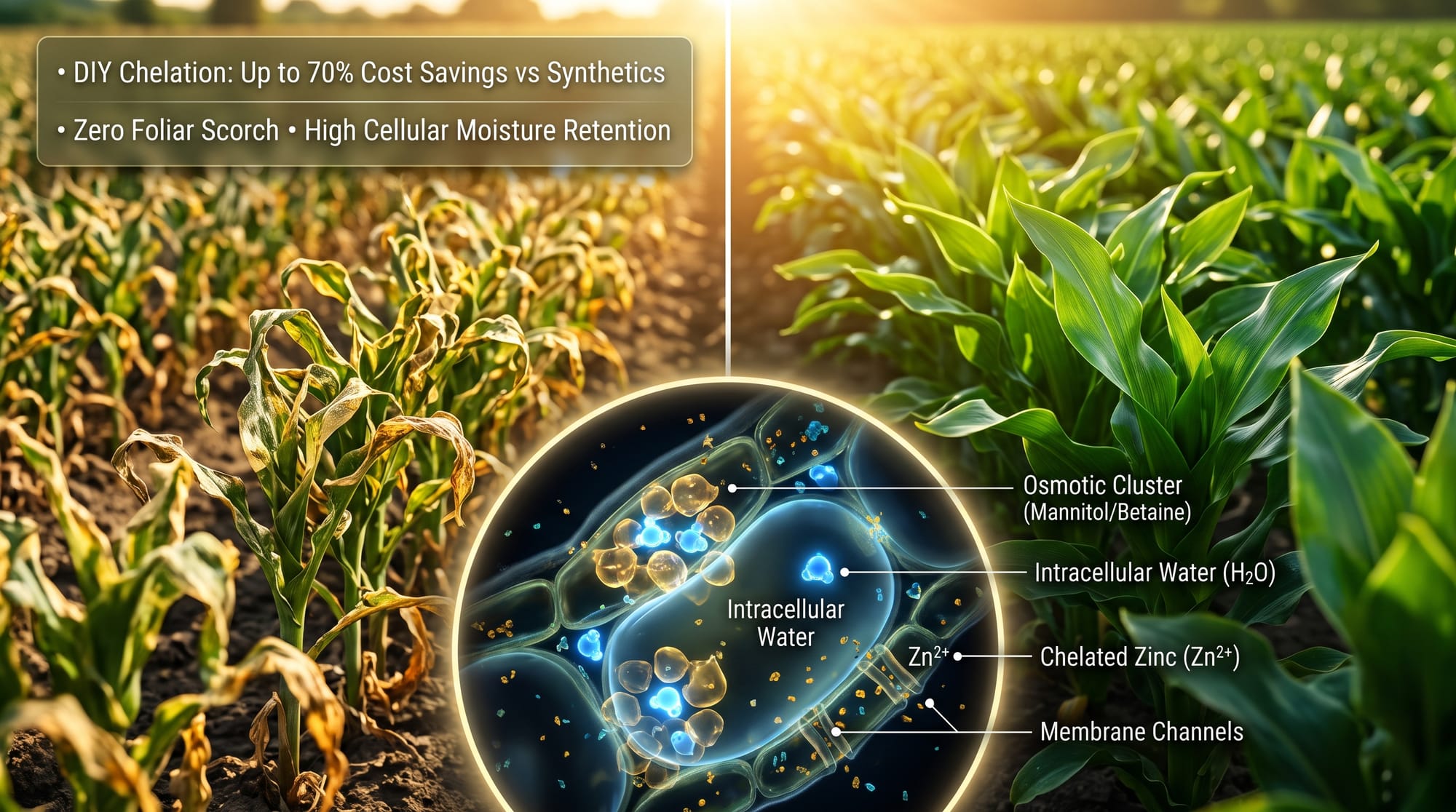
8) Kelp contains a powerhouse chelating capacity - there are several natural chelating agents found in kelp, including alginic acid, mannitol and some of the peptides. This complexing capacity ensures that the broad spectrum minerals found in seaweed are all chelated, and hence better delivered. However, it is often not recognised that there is sufficient of these three components in kelp to provide considerable DIY chelation capacity to any mineral fertilisers combined with the kelp. If you need zinc, for example, then you combine zinc sulphate with kelp, and you have a powerful zinc mannitol chelate.
9) Kelp is a hormonal stimulant - I have previously discussed the fact that all plants require certain hormones during every developmental stage, from germination to senescence. These hormones are created by the plant and require a variety of mineral building blocks. Microbes living in the root zone also create these hormones from minerals to supplement the plant that is feeding them. It is very much a “give and you will receive” model.
We have mined soil minerals for decades and decimated microbial communities with the industrial, extractive model, so it is not a big stretch to recognise that many plants might be lacking the hormonal support that determines their genetic potential.
However, there is one exception. Kelp is actually a macroalga, but it is a plant-like, photosynthesising creature that sways about in the perfect balance of all 74 minerals found in the ocean. With this optimum mineral support, Kelp produces 40 times more of these key hormones than the next closest land plant, which is aloe vera. What does that mean for the kelp plant to be so well endowed with these hormonal enhancers? Well, kelp is the fastest-growing of plants. It grows at 30 cm per day!
Much of the profound response that we often see with kelp comes from this hormonal bounty, so let’s look a little more closely at these hormones.
The hormones found so abundantly in kelp, and required by every plant for every function, include cytokinins, gibberellins, auxins, and betaines. Interestingly, it doesn’t stop there. In a 2019 study published entitled “Biostimulatory activities of Ascophyllum Nodosum extract in tomato and sweet pepper crops in a tropical environment”, Omar Ali and his colleagues reported something very special. They found that kelp upregulated the genes responsible for making these key hormones.
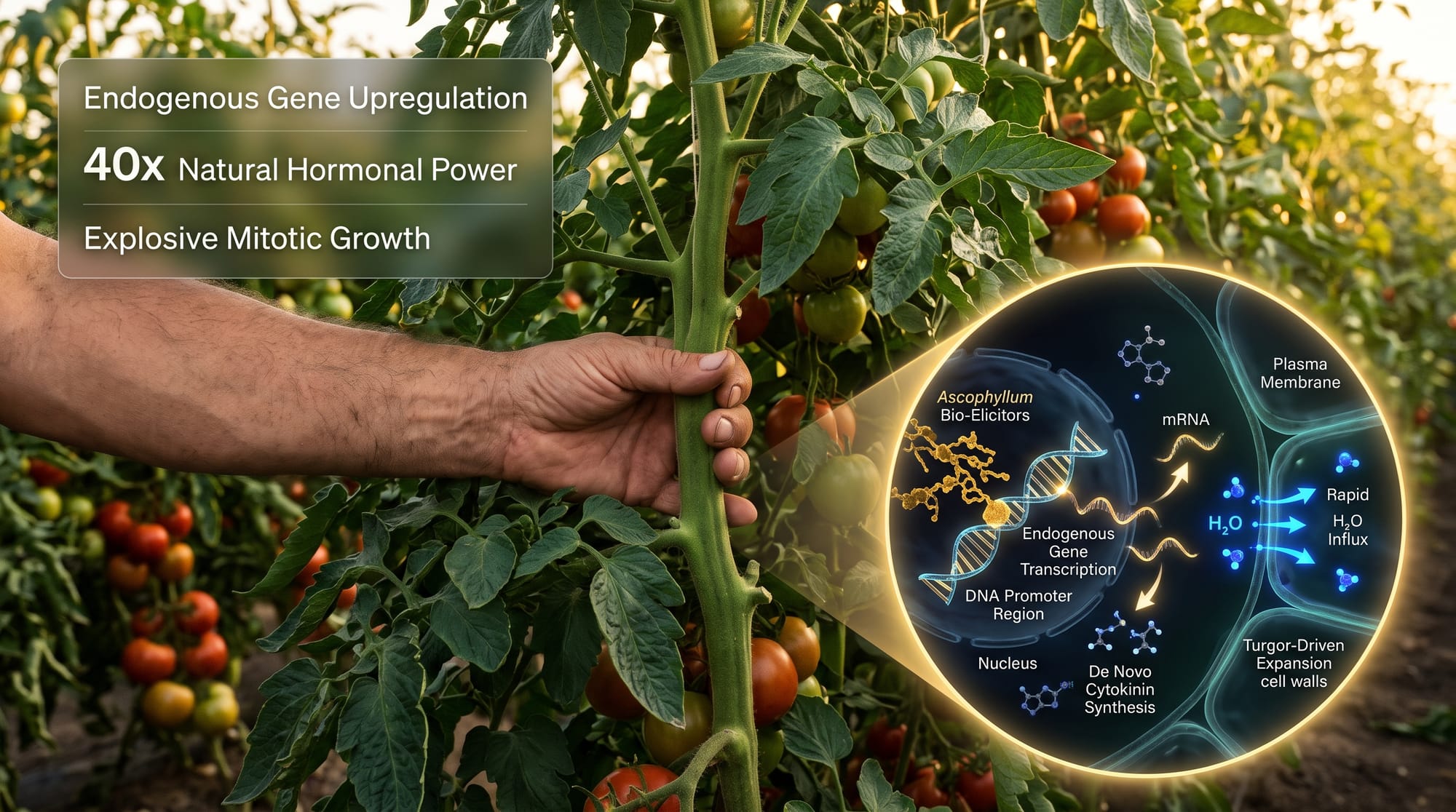
The growth response, then, is not just from the hormones found in the kelp; but the plant actually produces these hormones more effectively when treated with kelp. Incidentally, that study offered impressive evidence of the potential of regular kelp applications. Foliar applications of 0.5% A. nodosum extract (Nutri-Kelp), at 10-day intervals, resulted in a significant increase in plant growth parameters.
This included increases in plant height (40%), leaf number (50%), plant dry biomass (52%), root length (59%) and chlorophyll content (20%), compared to the control. Treated plants also had a significantly higher number of flower clusters, flower numbers, fruits per cluster and total harvested fruit yield.
The Ascophyllum extract significantly reduced disease incidence caused by the pathogens in both crops, under greenhouse and field conditions.
I won’t get into too much complex detail, but we will briefly look at what each of these hormones has to offer.
Cytokinins sponsor cell division, so they impact every phase of plant development. This includes the development of chloroplasts, root cell tissue, the structure of branching, and leaf formation.
Auxins are all about leaf size and root development. For example, zinc is required for the production of auxins, so a zinc deficiency creates smaller solar panels and compromises photosynthesis. The dominant auxin found in kelp is called Indole Ascetic acid.
Gibberellins are involved in fruit and flower development, but they also impact stem strength.
10) Kelp builds nutrient density - the essence of Nutrition Farming is the profitable creation of food with forgotten flavours, longer shelf life, less pest pressure and greater medicinal properties. Kelp is a Nutrition Farming essential because there is substantial research to support all of these.
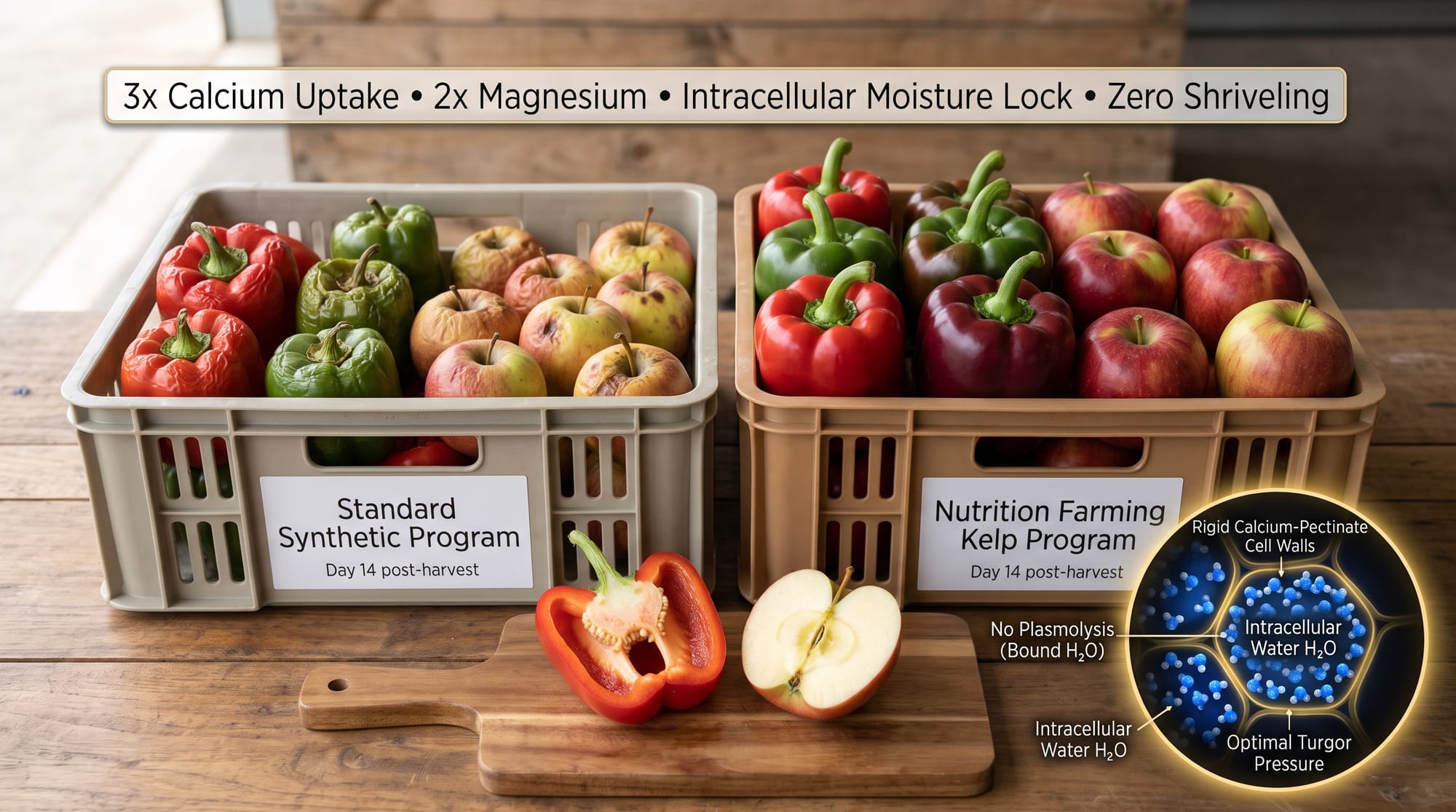
Several studies have confirmed greater mineral uptake in treated plants.
In one study, for example, there was a three-fold increase in calcium uptake and a doubling of magnesium. These are two of the “Big Four” minerals required for maximum crop quality. This higher mineralisation leads to fruits that are more vibrantly coloured, with increased weight, firmness and flesh thickness. Studies have reported increased vitamin C, total phenols, anthocyanins, higher total protein, and higher fructose and sucrose levels. Multiple studies have revealed enhanced shelf life with minimised browning and post-harvest infestation.
What kind of Kelp do I need?
It might be best if I highlight the various NTS kelp offerings and detail their specific attributes.
1) Nutri-Kelp - this is a soluble kelp powder derived from the pristine waters of Norway. It involves the most-researched of all kelp varieties, Ascophyllum nodosum. This species features very high levels of cytokinins. As mentioned earlier, cytokinins are linked to every stage of plant development because they promote cell division. However, there are key stages where Nutri-Kelp can be particularly effective. These are called Critical Stages of Influence (CSI)
We now understand that it is not about drenching the plant with foliar cytokinins that creates the desired response. Rather, it is about this form of kelp triggering the plant's own production of cytokinins, via gene regulation.
Timing is key here. There are four key stages, and the foliar application of Nutri-Kelp should be two days before that stage kicks in. I.e it takes 30 to 48 hours to upregulate the genes that biosynthesise cytokinins.
Here are the critical stages of influence (CSI)
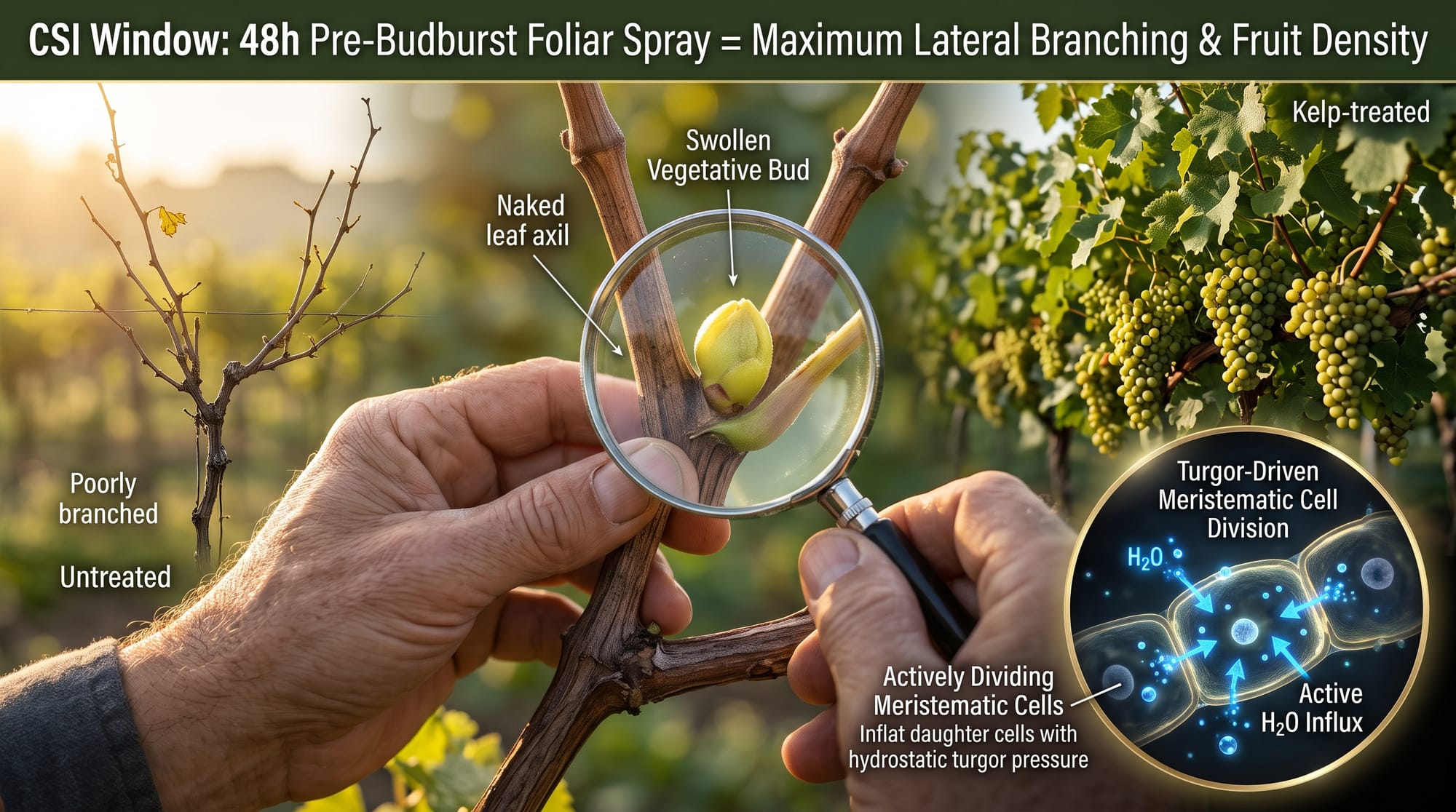
Critical Timing for Cytokinins
a) Vegetative lateral budding - promoting cytokinin dominance at this point overrides auxin dominance coming from the top shoot. This signals the plant to push out lateral branches and thicker stems, creating a bushier plant with more solar panels (leaves) and associated productive potential.
This is the 3 to 4-leaf stage in grasses and cereals, budswell or “green tip” in orchards and vineyards, but it gets a little more complicated in broadleaf crops and vegetables.
Here, we are looking at the “naked leaf” axil. Look at the juncture (axil) where a mature leaf stem meets the main stalk. When the leaf is fully expanded, but the tiny pocket inside the axil is swollen, rounded, and turning a lighter green/yellow, that is two days before vegetative lateral budding. That’s when you can have the biggest input in increasing vegetative mass in that crop.
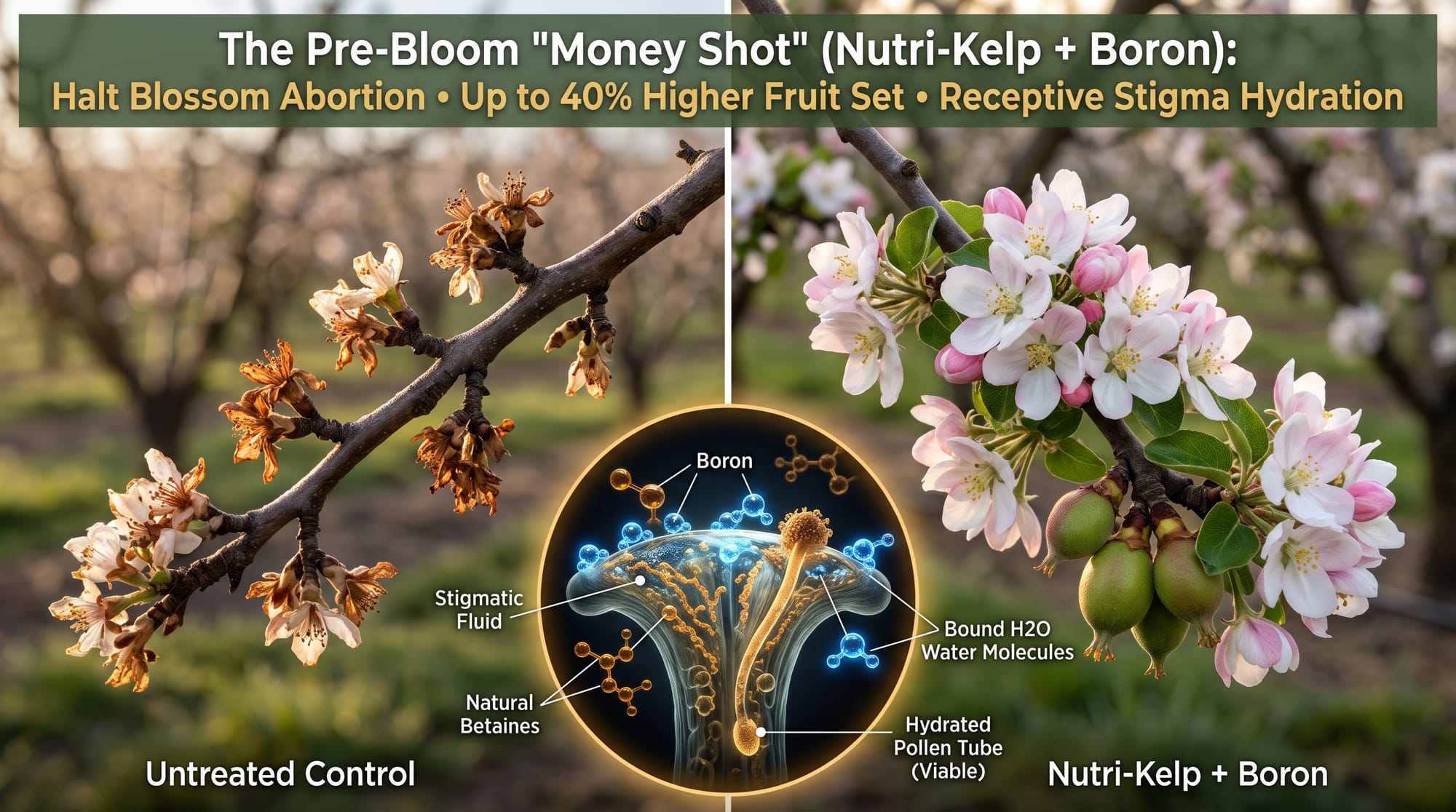
b) Early Floral transition - this is the “ money shot” because cytokinins control cell division in the floral meristems. A foliar application of Nutri-Kelp just before bloom can increase flower cluster density and potential fruit set. It is a great strategy to combine a boron foliar spray with Nutri-Kelp immediately before flowering.
c) Fruit and grain set - the number of cells in fruit and grain directly determines size potential. If we can prompt cytokinin dominance at this point of early cell division, we will have more cells and increased grain/fruit size (yield). This involves foliar spraying Nutri-Kelp right at fruit/grain set.
d) Late cycle/maturation - cytokinins keep leaves green and photosynthesising. A late-stage application can prevent the plant from shutting down too early. This extends the grain filling or fruit ripening window.
2) Seachange Liquid Kelp - this is a liquid input based upon fermented Tasmanian bull kelp. This is also a seaweed fertiliser that contains exceptional levels of cytokinins, but it has a key point of difference from the soluble Norwegian kelp powder (Nutri-Kelp).
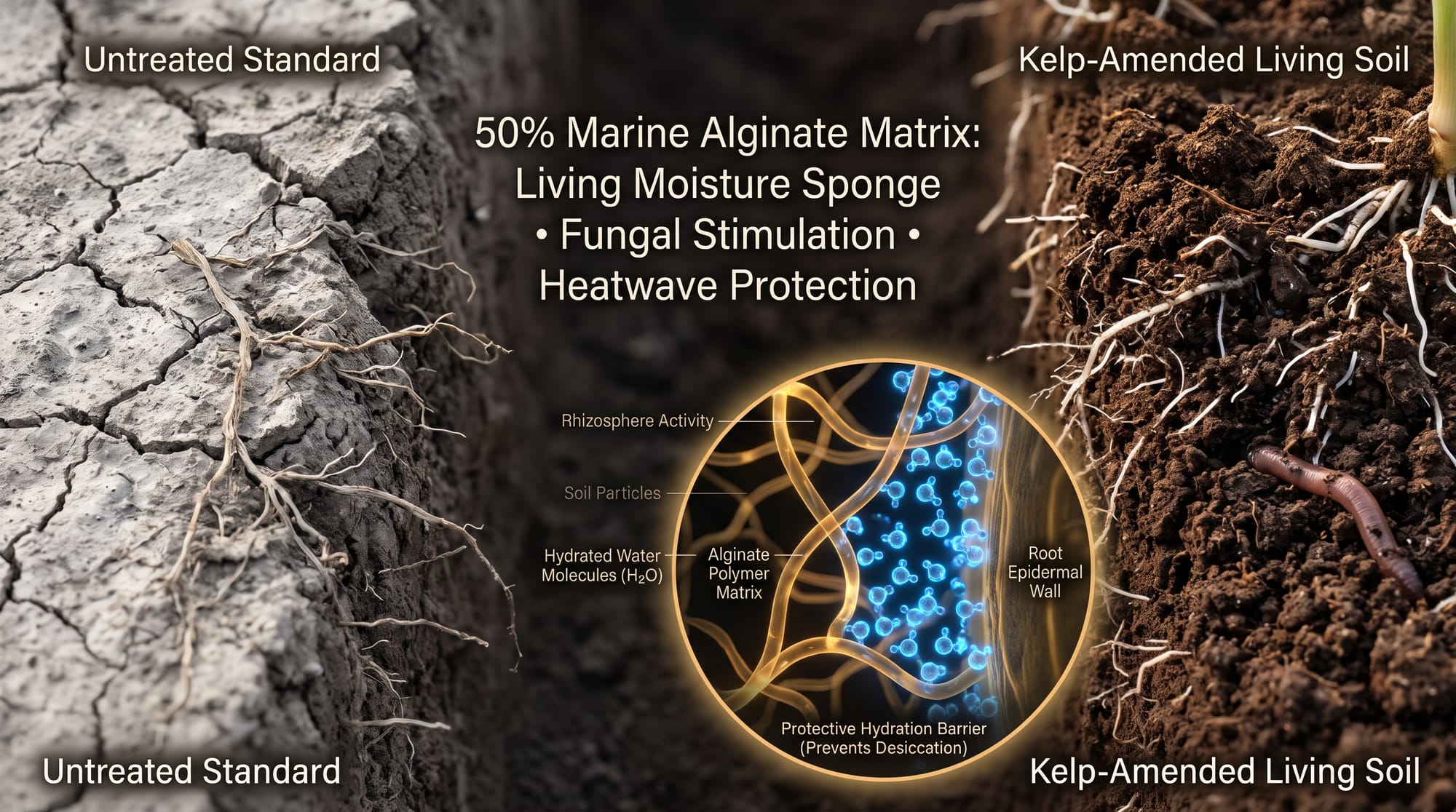
Tasmanian Bull kelp has extremely high levels of alginates (50%), and these substances offer a suite of soil structure benefits. This makes SeaChange Liquid kelp more suitable for soil application, via liquid injection, fertigation or boom sprays to the soil.
Tasmanian bull kelp must survive massive wave impacts in the Southern Ocean. It creates massive root networks into the rocks to hold on amidst the tidal pressure, and it is packed with thick fibrous alginates that help this process. When applied to the soil, these alginates act as a sponge, retaining soil moisture, creating crumb structure and feeding beneficial biology (particularly fungi)
SeaChange liquid kelp is best used to reduce transplant shock, improve your fungi-to-bacteria ratio, enhance soil structure and moisture retention and stimulate root growth.
Nutri-Kelp is used as a foliar to optimise flowering, increase chlorophyll, enhance plant growth, and to protect from heatwaves and frost (when applied beforehand).
3) SeaChange KFF - In the eighties, a group of American regenerative pioneers discovered that there was a productive synergy when liquid fish was combined with liquid kelp at a 3 to 1 ratio (3 parts fish to one part kelp). I tested this theory many years back, and there is no doubt that it is valid. However, in the initial trialling, we experimented with some other additives and made an exciting discovery. When fulvic acid and triacontanol are added to this 3:1 fish/kelp blend, another level of performance is created. SeaChange KFF ( Kelp, Fish and Fulvic) is the outcome of that research, and it remains one of the most popular NTS liquid formulations in 50 countries.
4) Tri-Kelp Soluble Kelp Powder - this is the ultimate all-rounder. It contains a synergistic blend of three different kelp varieties. These include Ascophyllum nodosum, Sargassum, and Laminaria. Each of these varieties has a different hormonal profile. This balanced combination of cytokinins, gibberellins, auxins and betaines makes it a more effective seed treatment than any other kelp product. It can also be very effective when applied at rates of just 1 gram per litre as a foliar spray. This provides balanced hormonal support to stimulate growth and increase crop resilience; this can prove highly cost-effective. 100 grams in 100 litres in pasture or broadacre can provide a marked response at a cost of around $3 per hectare,
In conclusion..
I trust you now have a better understanding of why you are using kelp inputs, or perhaps, why you should begin experimenting with the multifunction marvels. Part of the secret of success involves timing, and hopefully the discussion of critical stages of influence (CSI) will help you gain maximum benefit from your kelp investment.
Wishing you every success🌱
Warm regards
Graeme
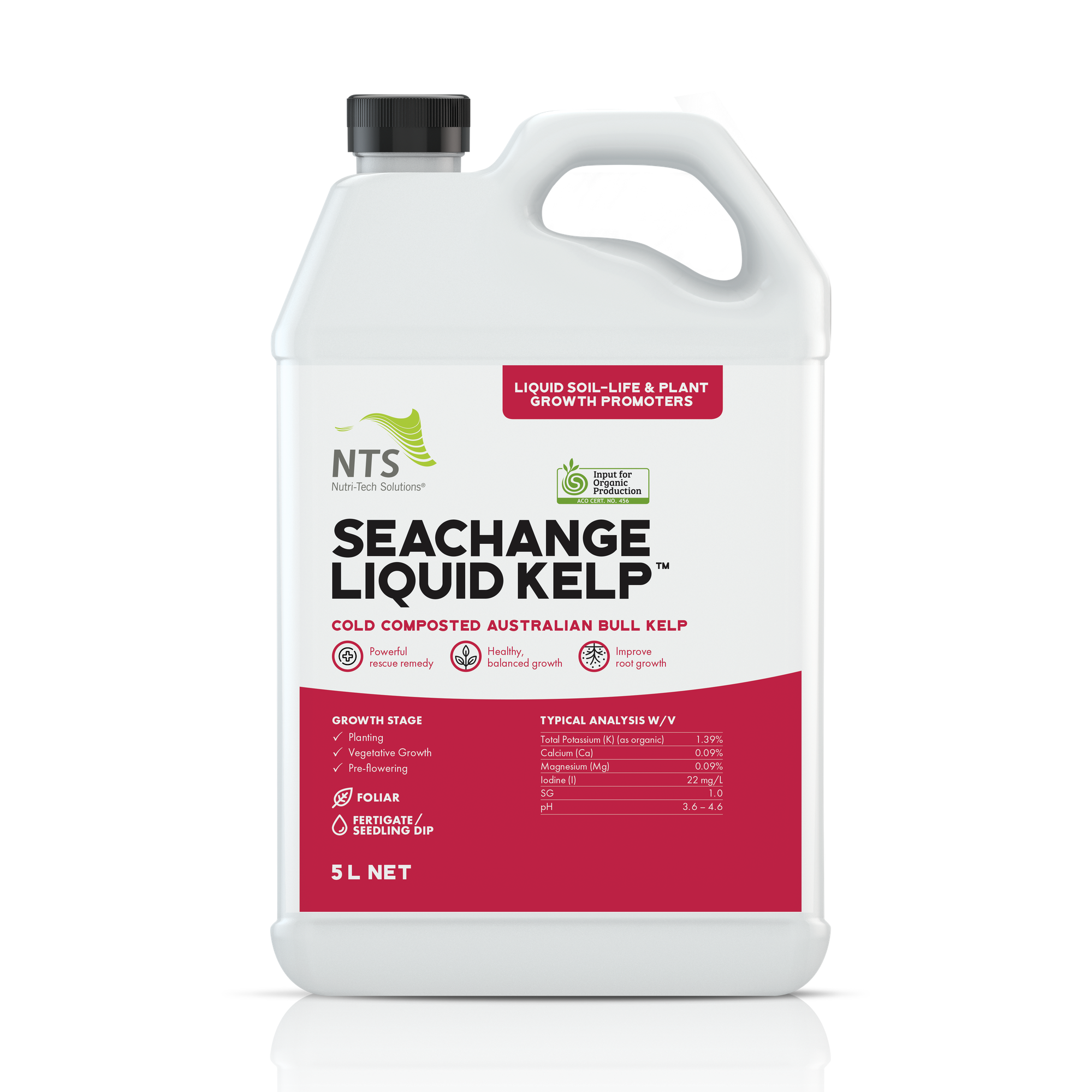
SeaChange Liquid Kelp™
Cold-composted Australian Bull Kelp – high quality and extremely well priced.
Liquid Australian Bull Kelp Durvillaea potatorum, manufactured with a proprietary processing system. The 90-day cold-composting process retains all of the natural attributes of bull kelp, with none of the denaturing features inherent in some other manufacturing procedures that involve heat and alkaline extraction. The attributes include: minerals, amino acids, natural growth promotants, chelating agents and complex sugars. This product has been developed as part of an NTS quest to reduce the costs to the Australian farmer of the core components of biological agriculture.
Key Performance
- Powerful rescue remedy
- Healthy, balanced growth
- Improved root growth
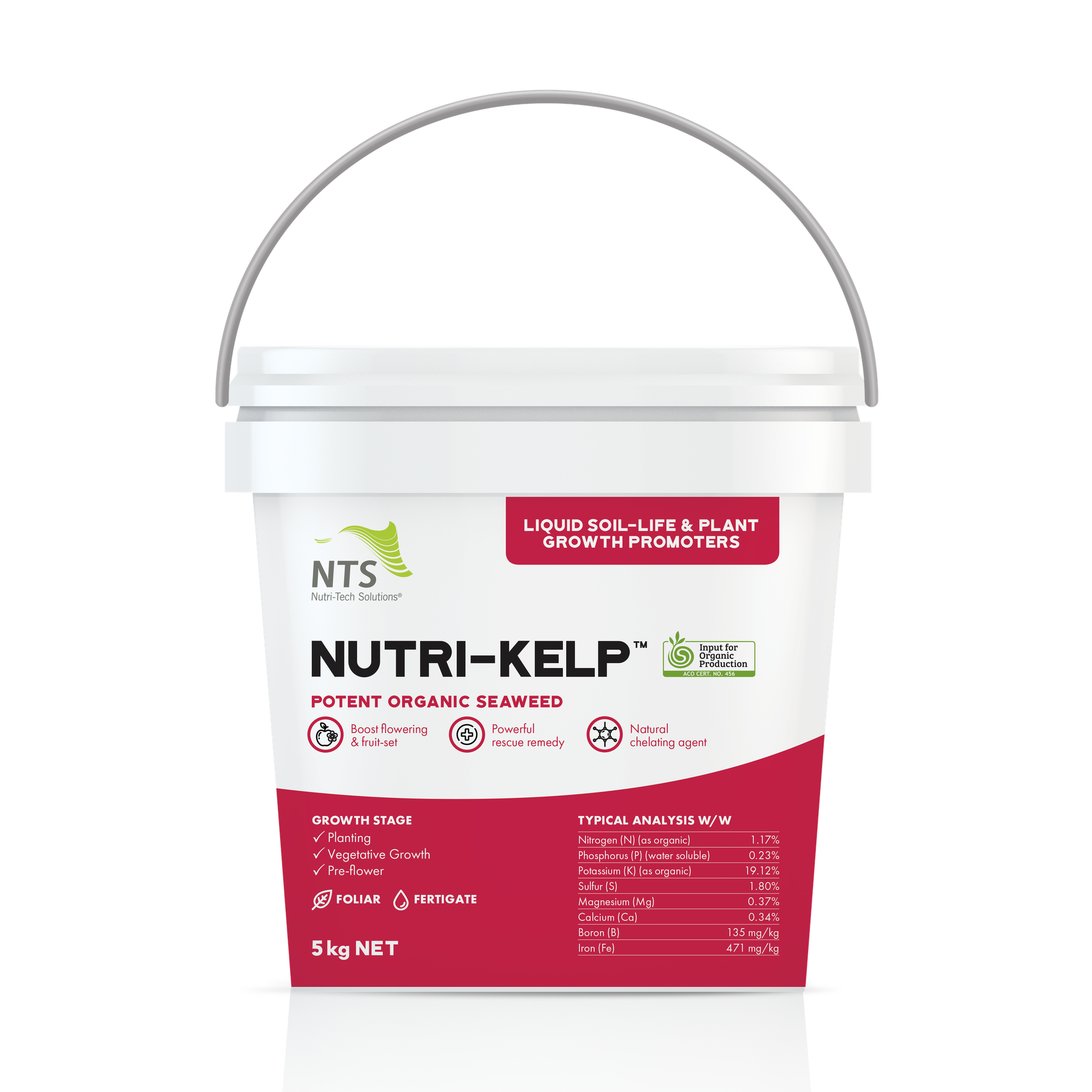
Nutri-Kelp™
One of the world’s most potent organic seaweed fertilisers concentrated into a 100% soluble powder.
Derived from Ascophyllum nodosum, harvested from the clean, cold North Atlantic waters. Available in a 100% soluble powder, which reduces transport costs, this seaweed fertiliser can be used through irrigation or as a highly productive foliar fertiliser. Kelp is a natural source of auxins, cytokinins and gibberellins, and these ingredients, in conjunction with the comprehensive range of trace elements, amino acids and chelating agents found in kelp, can provide many benefits. Kelp also contains complex carbohydrates, which are a powerful microbial promotant – the fungal component of the soil can be boosted with Nutri-Kelp™ powder.
Benefits
- Australian Certified Organic (ACO) Registered Farm Input 456AI.
- Can be a valuable rescue remedy during periods of stress.
- Improves crop quality and associated shelf-life.
- Boosts soil life activity, particularly the fungal fraction.
- Reduces maturation time.
- Increased Brix levels may increase cold tolerance in some crops.
- Offers DIY chelation, as it contains a chelating agent called mannitol.
- Contains broad-spectrum trace elements in naturally chelated, plant-available form.
- Boosts flowering and improves the flower-to-fruit ratio.
To order or learn more, call NTS on (07) 5472 9900 or email sales@nutri-tech.com.au.
Certificate in Nutrition Farming
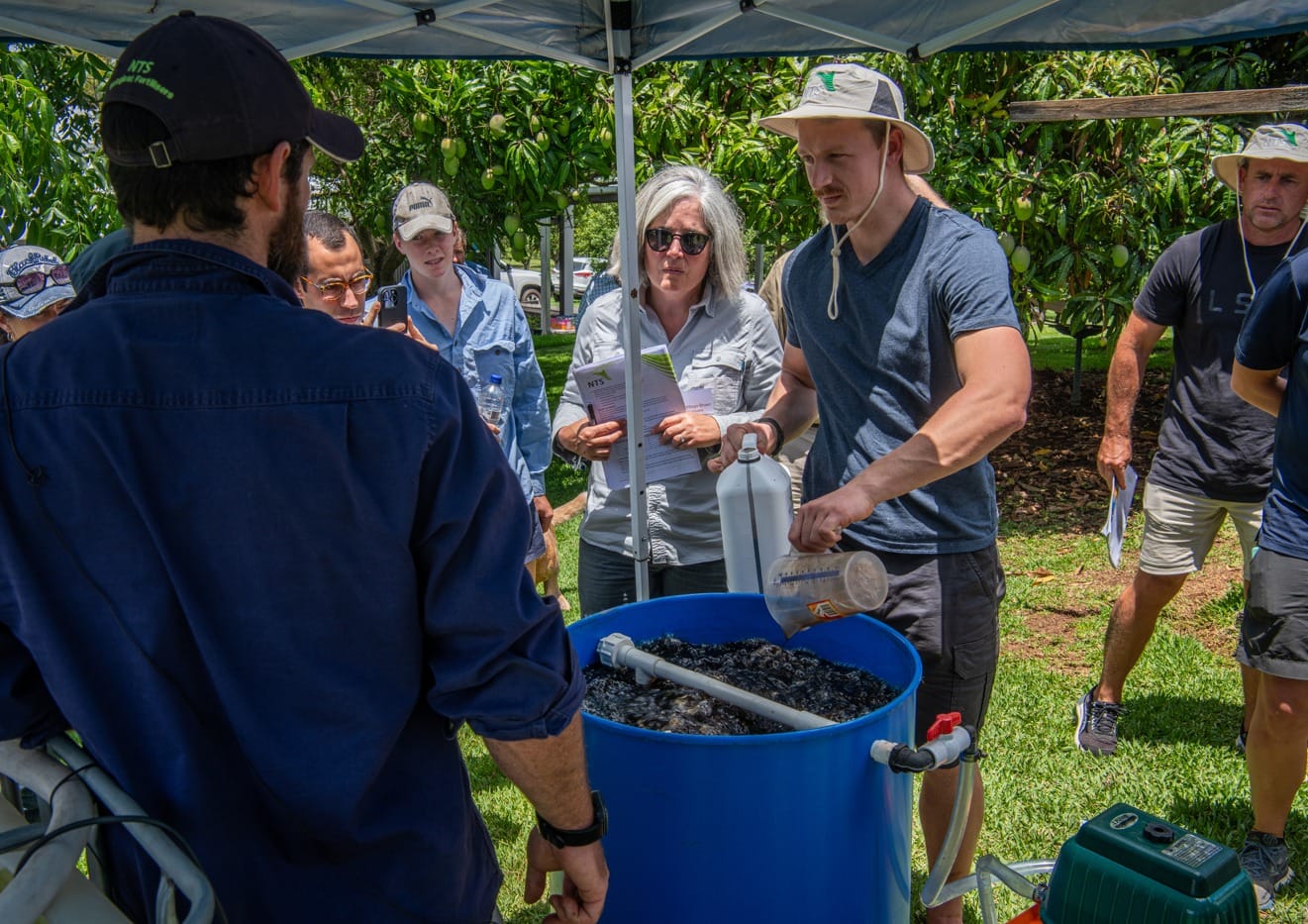
Our next iconic, five-day Certificate in Nutrition Farming® course is scheduled for March 2027: Monday 1st - 5th.
Did you know that government subsidies are available for farmers via the Farm Household Allowance? Check it out here... https://www.servicesaustralia.gov.au/farm-household-allowance
Our last course was attended by growers and consultants from six countries. It was a wonderful learning opportunity where attendees enjoyed a wealth of education and inspiration from both our presenters and their fellow attendees. We only accept 40 bookings for these courses, so please register if you would like to attend.