The Great Compost Debate - With or Without Oxygen🦠

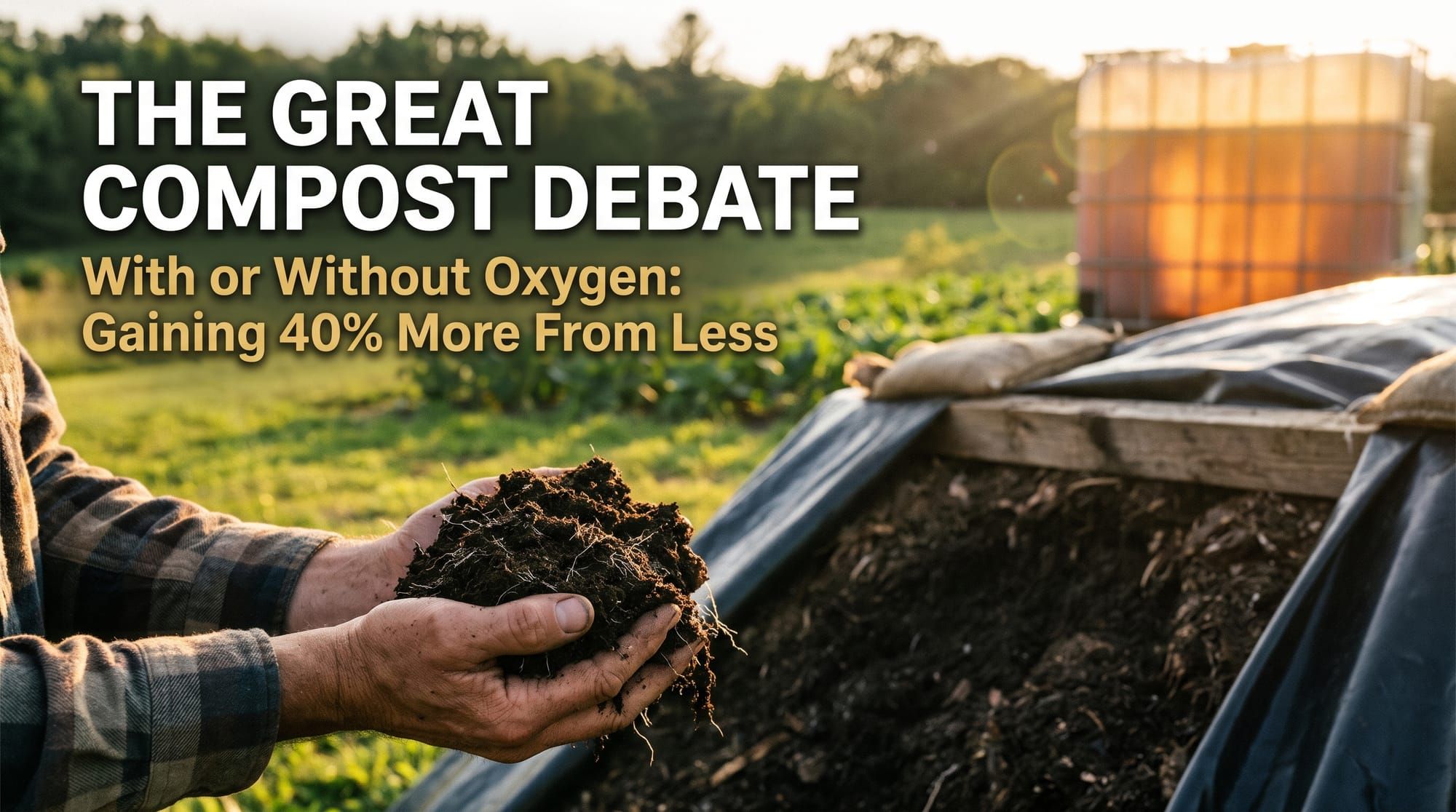
Can You Really Gain More From Less?
By Graeme Sait
Conventional composting advocates have often questioned the validity of an anaerobic approach, when composters have traditionally believed that controlled oxidation is the essence of human involvement in a natural decomposition process. Here we are talking about oxygen being the key player in composting. If it’s too warm, you turn it; if it’s too wet, you turn it; and if it is cool and sluggish, you turn the pile. It's all about introducing oxygen, so it’s not hard to see how traditionalists could take offence when an alternative strategy involves minimising that core component.
Let’s begin by discussing the dynamics of anaerobic composting, and we will look at some studies confirming the validity of this approach.
It’s important that we understand one thing, first up. We are talking about “fermentation” here, rather than aerobic decomposition. Fermentation must be differentiated from “putrefaction”, which refers to an anaerobic rotting process.
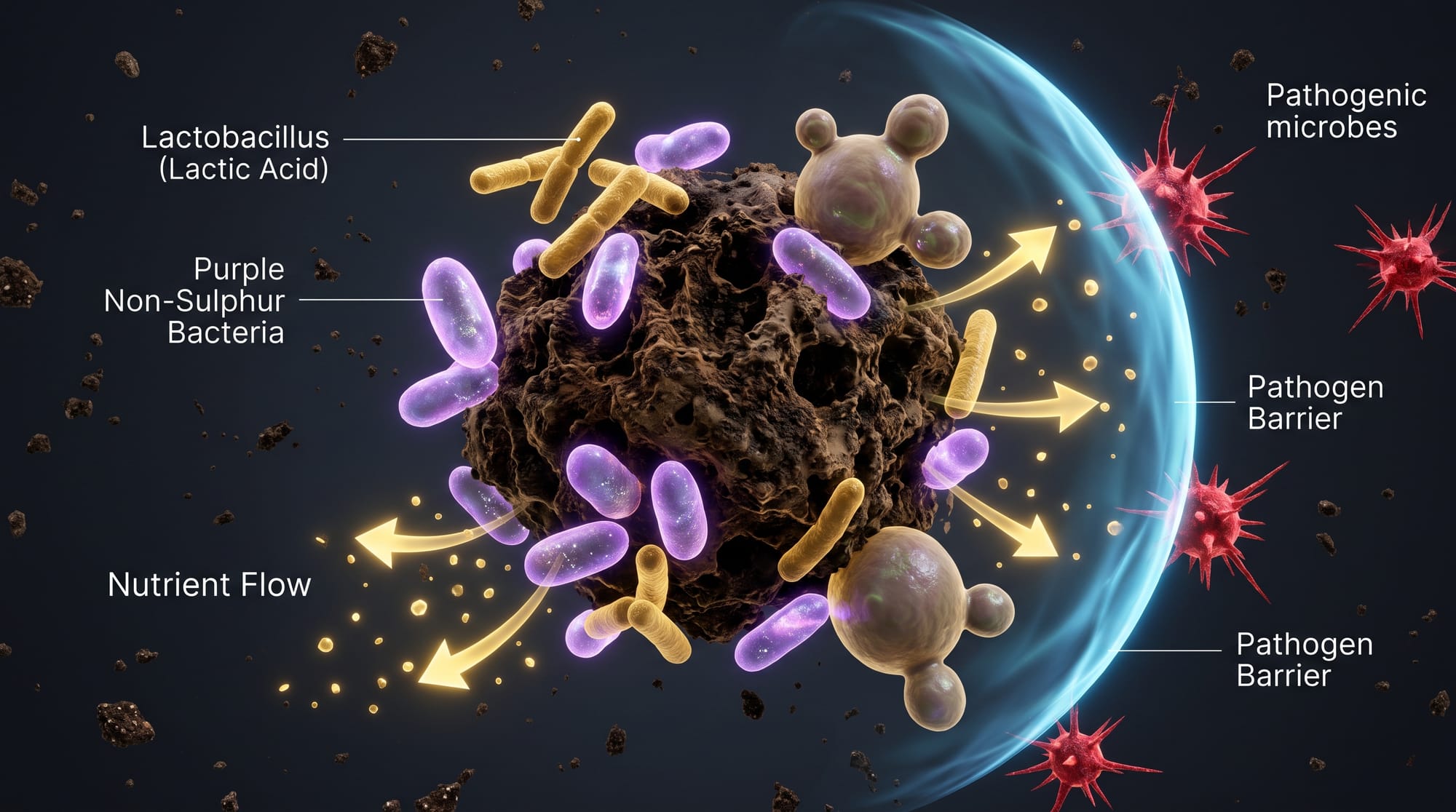
Beneficial anaerobes like EM and our product, BAM, consist of multiple species of Lactobacillus, yeasts, and photosynthetic bacteria. They also contain good levels of fermenting fungi and actinomycetes.
It’s important to realise that lactofermentation is not a new concept. It is how we make silage to improve and preserve the nutrient value of fodder. Lactofermented food is also favoured by the longest-living cultures, and this relates to enhanced nutritional benefits when you put these particular microbes behind the minerals. This living food also provides multiple probiotic benefits. The increasingly popular use of Lactobacillus teas in cattle troughs is a further example of this probiotic punch. There are many papers quantifying the value of anaerobic compost. These may be best summarised in a Malaysian review called “Application of Effective Microorganism (EM) in Food Waste Composting: A review” by Muttalib, Ismail and Praveena.
Lactobacillus are found in every soil, in every digestive tract, and on all plant surfaces. Professor Teruo Higa, the founder of EM, simply focused on why they can be found everywhere when nothing in nature is accidental. He found that they perform very similar roles to aerobic beneficials. There are those that digest carbon, others that fix nitrogen, and many that enhance mineral uptake. The lactic acid they produce can also be toxic to pathogens.
The yeast component produces multiple amino acids and other bioactive compounds that feed and stimulate other soil organisms, and the photosynthetic bacteria are really quite special.
The bacteria found in BAM that photosynthesise and produce sugars for other soil life are called purple non-sulphur bacteria (PNSB).
A recent review of research into these particular probiotic organisms might help you better understand their potential. The paper is entitled “Purple non-sulphur bacteria and plant production: benefits for fertilisation, stress resistance and the environment” and it is authored by Sakarika.
You will get excited when you see the functions of these organisms. They can fix nitrogen and solubilise phosphate, and they can remediate heavy metals. They can also sequester carbon and lower methane emissions. These guys can also produce multiple plant growth-promoting substances, along with carotenoids and siderophores that provide pest resistance. They also produce copious quantities of vitamins, including plant growth stimulants like B2, B6, and B12, along with essential protective vitamins C, E, and D. Finally, these creatures have been shown to increase stress resistance in multiple crops. In fact, they tick all the boxes in terms of better managing climate change farming.
The fermenting fungi and actinomycetes found in both EM and BAM can obviously help with the breakdown of more fibrous organic matter during the composting process. When partnered with Lactobacillus plantarum (the most voracious of humus-building bacteria), we can understand the success of both BAM and EM in breaking down stubble and fast-tracking composting. Let’s look at the comparison between aerobic and anaerobic compost.
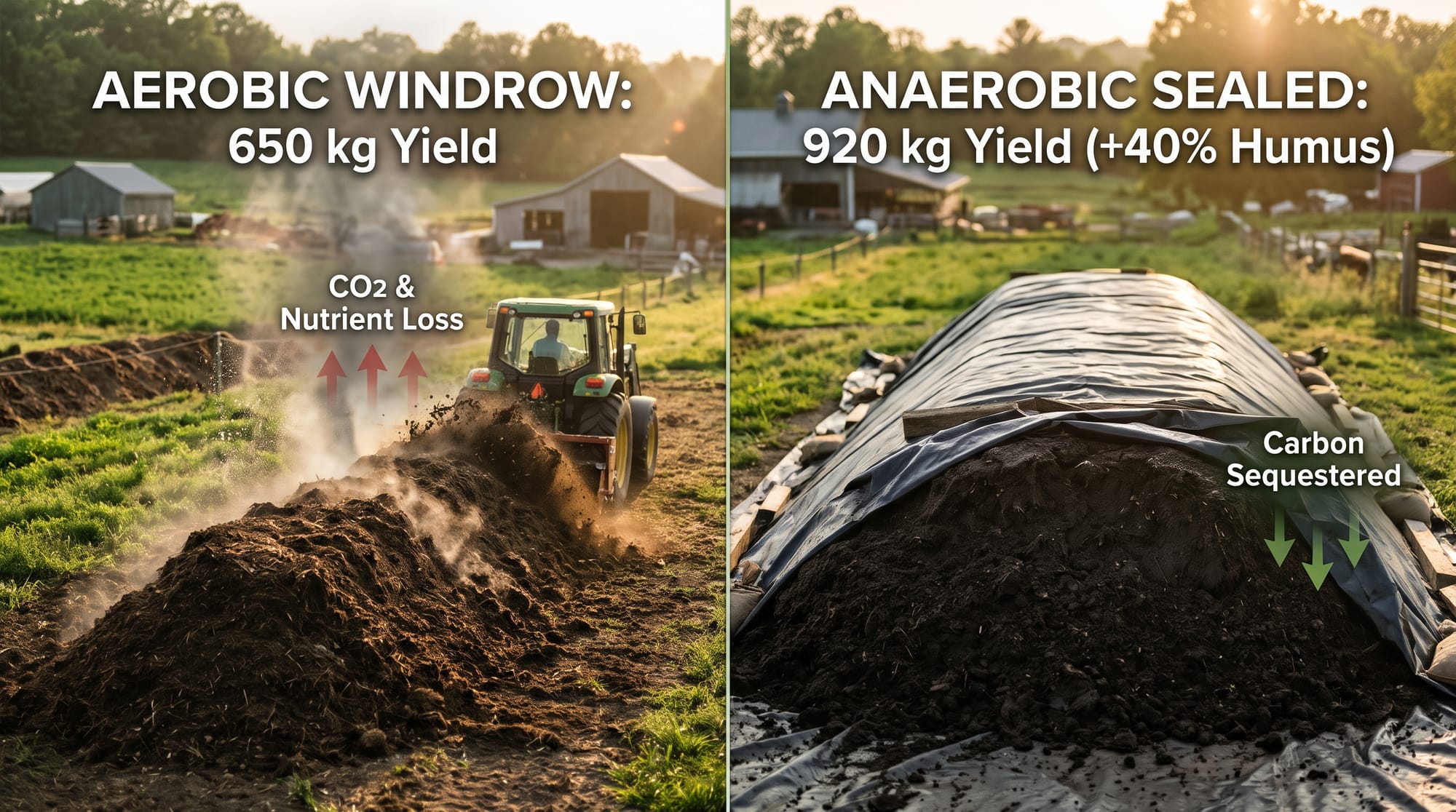
With and without oxygen - pros and cons
Typically, in an aerobic composting scenario, one tonne of raw material will produce around 650 kgs of end compost. An anaerobic compost involving EM, BAM or a DIY Lactobacillus tea can transform that same one tonne of organic matter into 920 kgs of compost. That’s a whopping 40% greater humus-building efficiency! Where did all that carbon go during the aerobic composting process, you may be thinking?
Much of the extra weight loss linked to an actively managed aerated compost relates to a loss of precious carbon as CO2. Carbon oxidises on contact with oxygen, and constant compost turning produces a flurry of CO2 that helps thicken the greenhouse blanket, trap the heat, and change our world. Aerobic composts also release nitrous oxide and methane, but this undesirable contribution is rarely considered.
When you open a compost, you also dry it out more rapidly and use much more precious water, and the leachates from this water include leachable minerals like nitrate nitrogen, sulphur, potassium and boron.
Anaerobic composts are covered and sealed so these negatives are neutralised. Actively managed compost has been heralded as best practice, largely because it is seen as the fastest composting strategy. One wonders whether, if we factored in the energy and time requirements for multiple turning, along with these other losses, we might find that the sustainability of windrow composting may have been slightly misrepresented. Let's take a closer look at the anaerobic alternative.
Five benefits of anaerobic composting
1) Heavy metal remediation
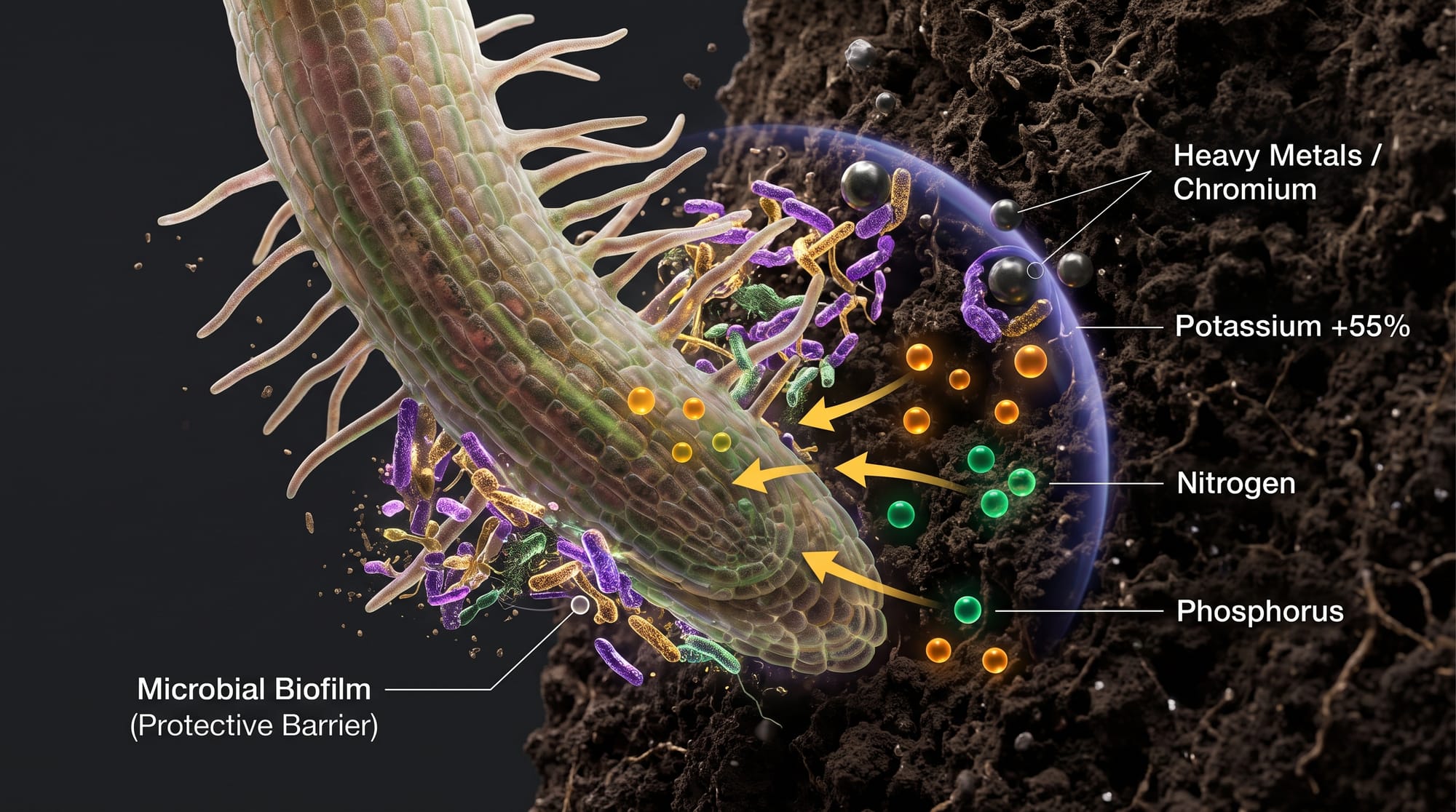
Beneficial anaerobes can help counter heavy metal contamination. Research demonstrates that these anaerobes can actually utilise heavy metals in their metabolism, hence removing or transforming these toxins to reduce their impact on plant growth and/or animal and human health. This phenomenon can reduce heavy metals in the actual compost, or in the soil following application. In 2013, Saad et al. reported substantially lower concentrations of heavy metals in compost produced with EM, compared to conventional aerobic composting.
In 2014, Dheeba et al. showed that EM compost applied to a chromium-contaminated soil resulted in crops with greatly reduced concentrations of chromium accumulation in roots and shoots. The authors of that study concluded that EM can boost crop resilience against heavy metals.
2) Less energy and moisture required
Compost with beneficial anaerobes is fast-tracked with less energy and moisture requirements. There is no diesel needed for the compost turner, and the pile rarely needs extra water. Depending upon the carbon-to-nitrogen ratio, the BAM compost is typically complete within 8 weeks. In a high-nitrogen situation, involving manure or food waste, this timeframe can be reduced to as little as 6 weeks. The myth of aerobic fast tracking is exposed when we recognise that an 8-week BAM/EM compost compares to 12 weeks for actively managed aerated compost and 24 weeks for static pile composting.
3) More carbon and more nutrition
This form of anaerobic composting can result in a more nutrient-dense and more carbon-rich end-product. Part of this story relates to less leaching and volatilisation of minerals like sulphur and nitrogen. The increased carbon in covered compost relates to much less loss of CO2, compared with the losses associated with the constant turning of windrow composts. However, something else is happening here.
A 2013 study by Saravanan et al. showed that EM compost contained more nutrients. There was substantially more nitrogen and phosphorus, but there was 55% more potassium in the EM compost. That’s no small benefit, considering the escalating price of NPK.
4) More microbial activity
EM or BAM compost can also contain greater microbial activity, and this can be measured on a microbiometer by monitoring total microbial biomass. There are also several studies confirming greater enzyme production associated with this increased action of microbes. This anaerobic microbial workforce often outperforms aerobic compost in field trials, with increased plant health and yields.
5) Low-cost compost
When you factor in the increased compost yield, composting with beneficial anaerobes offers a low-cost, low-energy, pollution-free, smell-free composting option. When you don’t have to turn a compost every few days, there are considerable gains for time-starved farmers, along with much less labour and diesel costs.
Making your own BAM compost
So how do you make a BAM compost? You can check this out on my “How to do it” YouTube channel.
It’s simple. You alternate your 30 cm layers of carbon and nitrogen (i.e., wood mulch and manure). You apply brewed BAM at 5 litres per cubic metre to each layer. Then you mix up your layer cake with a bobcat, front loader, or tractor bucket before covering it with a large sheet of plastic or a silage cover. You batten down this cover with tyres or timber, and then, 8 weeks later, you remove the cover to reveal sweet-smelling, super productive black compost. You will quickly become a convert to an easier way to compost.
Here’s a 1000-litre recipe to multiply your own super low-cost, BAM inoculum.
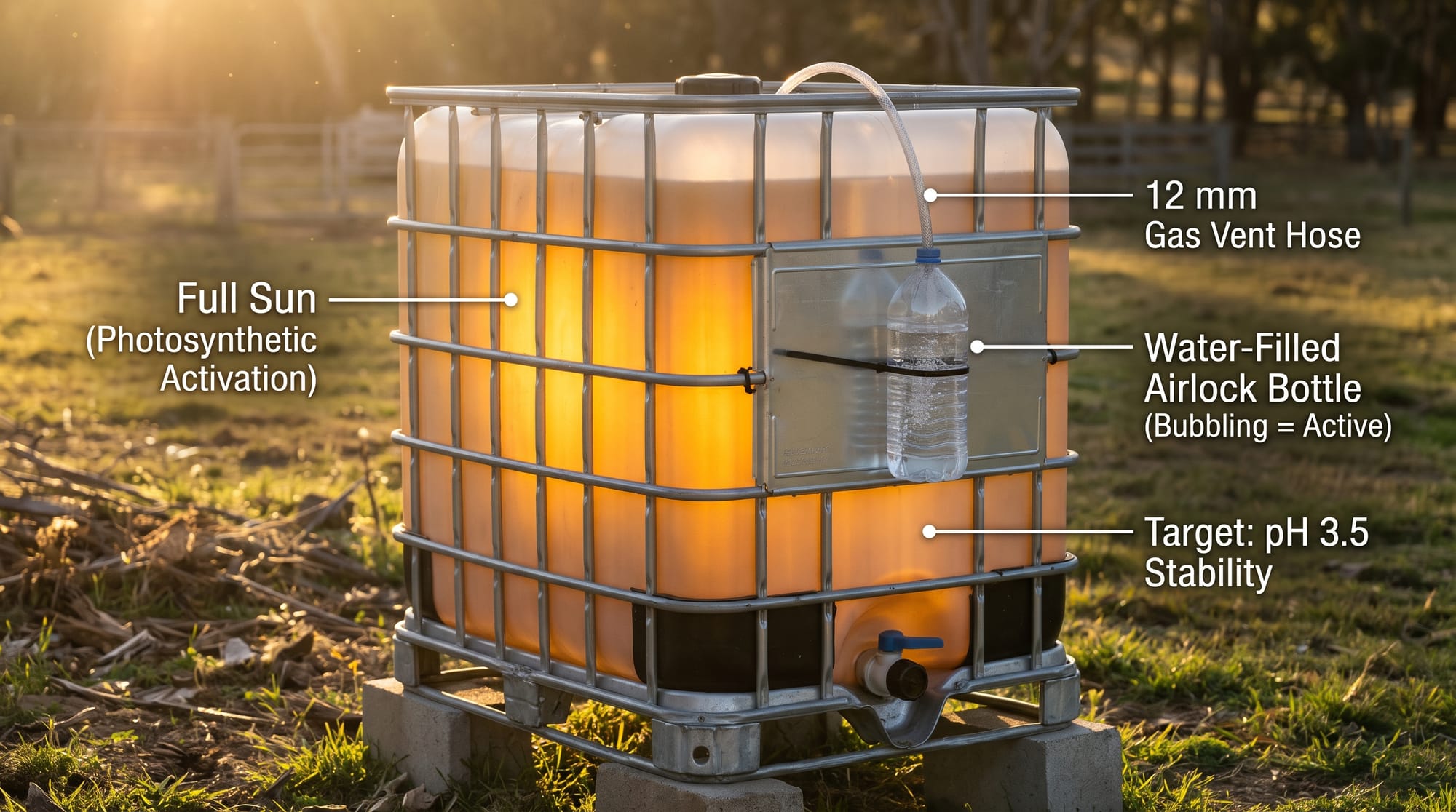
1000-litre BAM recipe
What you will need
❖ 100 litres of BAM concentrate for a 1000-litre IBC, along with 50 litres of molasses
❖ A clean IBC
❖ A one-metre length of garden hose
Preparation
1. Make sure the IBC is clean (i.e., no chemical residues, etc.). This is really important with biological brews as the chemicals can impact the beneficial organisms. A food-grade IBC is ideal, if possible.
2. Drill a 12 mm hole in the top of the shuttle (not the lid). Take a one-metre length of standard 12 mm garden hose and poke one end through that hole into the empty air space in the top of the tank.
3. Attach an upright, two-litre soft drink bottle, filled with water, to the metal frame, 2/3 of the way up the outside of the tank, using plastic ties.
Getting started
4. Half-fill your 1000-litre shuttle with water before adding 100 litres of BAM and 50 litres of molasses.
The brewing tank should always be in full sunshine, because the photosynthesising bacteria in this blend need sunlight to multiply.
Note: we typically dissolve the molasses with 50/50 water in twenty-litre drums with a hose, before adding it to the tank, so that it doesn’t clump, undissolved, in the tank bottom.
5. It is always a good idea to pre-position the shuttle on concrete blocks, high enough to gain access with a 20-litre bucket under the tap positioned at the base of the shuttle.
6. Now, fill the tank with water and screw on the lid.
7. One end of the hose is inserted 50–70 mm into the top of the shuttle.
Now place the other end of the metre-long length of this hose deep into the water-filled plastic bottle.
8. The bottle will bubble as the BAM brews. When it stops bubbling, the brew is complete.
Alternatively, you can monitor pH. When the brew reaches pH 3.5, it is complete and will stay stable for up to 2 years. This makes BAM the most user-friendly and stable of all microbial inputs. i.e., it can sit in the full sun for up to two years without deterioration. We add BAM to everything that is applied to both of our farms to magnify response, while gaining all the other benefits of this living fertiliser. This addition is called “putting the microbes behind the minerals”.
In conclusion…
The oft-used statement that “less is more” applies more to words than work outcomes. Anaerobic composting presents a rare example of a farm strategy that genuinely gives more for less. There is 40% more compost produced in a shorter time and with less expenditure of energy and time.
I trust that some of you might now be stimulated to experiment with undercover composting.
Until my next blog offering, I hope that many of you are enjoying the wonderful gift of abundant spring rain, as we all are on the Granite Belt🌱
Warm regards
Graeme
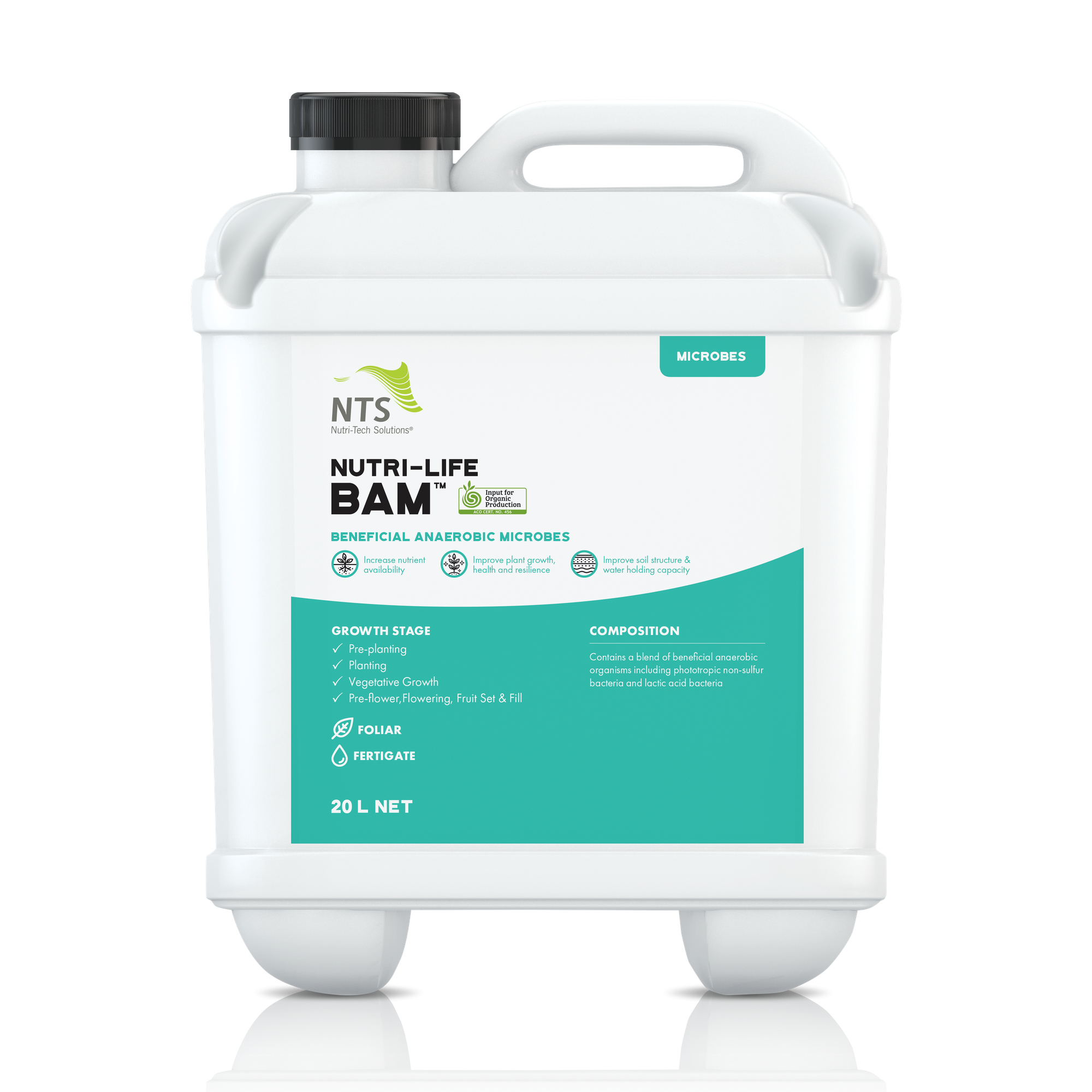
Nutri-Life BAM™
Multipurpose blend of anaerobic species for soil, compost and plant health.
This breakthrough probiotic blend contains lactic acid bacteria and purple non-sulphur bacteria, plus beneficial yeasts and microbial exudates.
Click here for Seed Treatment Instructions with Nutri-Life BAM™.
Key Performance
- Improve plant growth, health & resilience
- Increase nutrient availability
- Improve soil structure & water-holding capacity
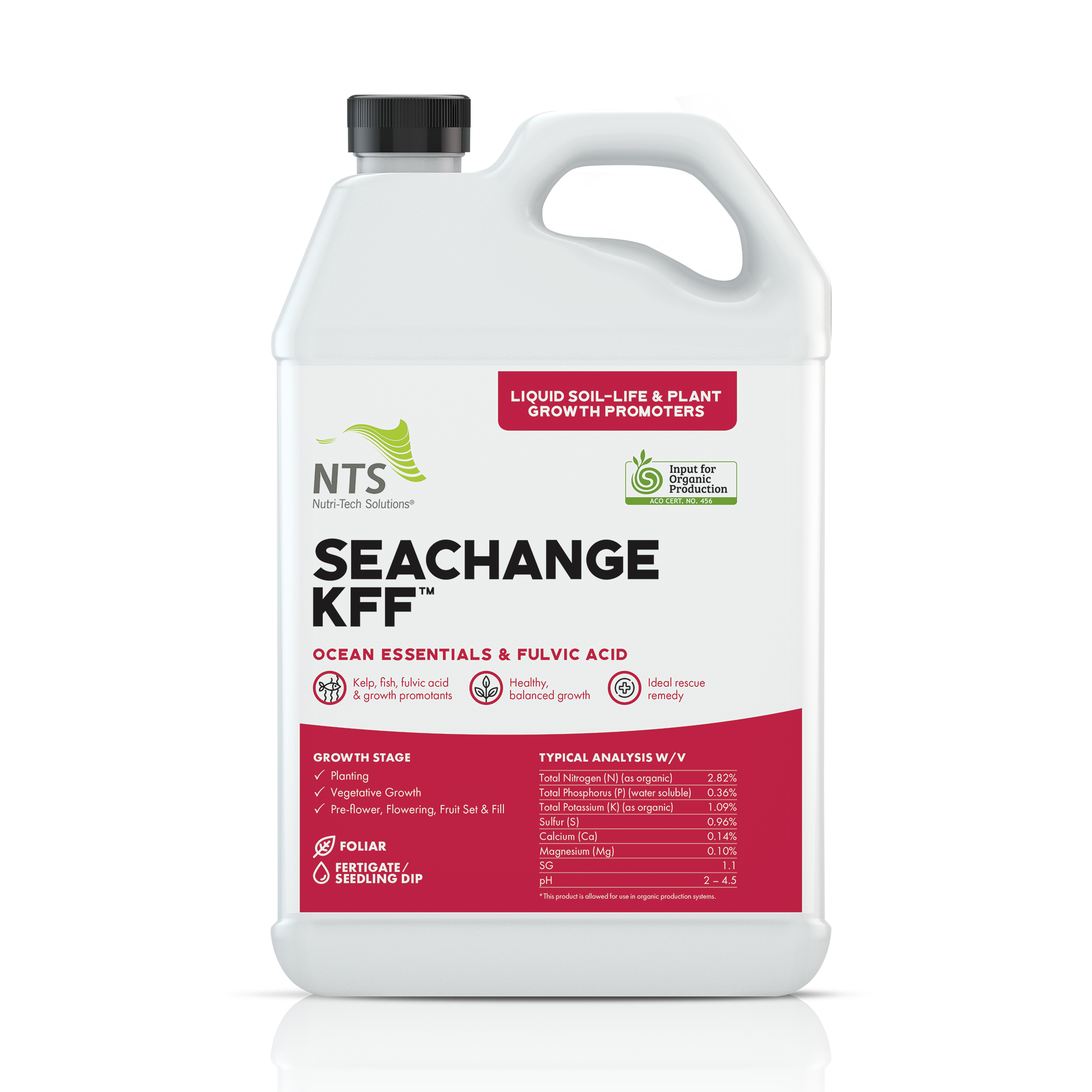
SeaChange KFF™
A blend of ocean essentials enhanced with fulvic acid and growth promotants.
A unique combination of kelp, fish and fulvic acid in a proven formula which is further boosted by the addition of plant growth promotants.
Key Performance
- Kelp, fish, fulvic acid and growth promotants
- Healthy, balanced growth
- Ideal rescue remedy.
To order or learn more, call NTS on (07) 5472 9900 or email sales@nutri-tech.com.au.
Certificate in Nutrition Farming
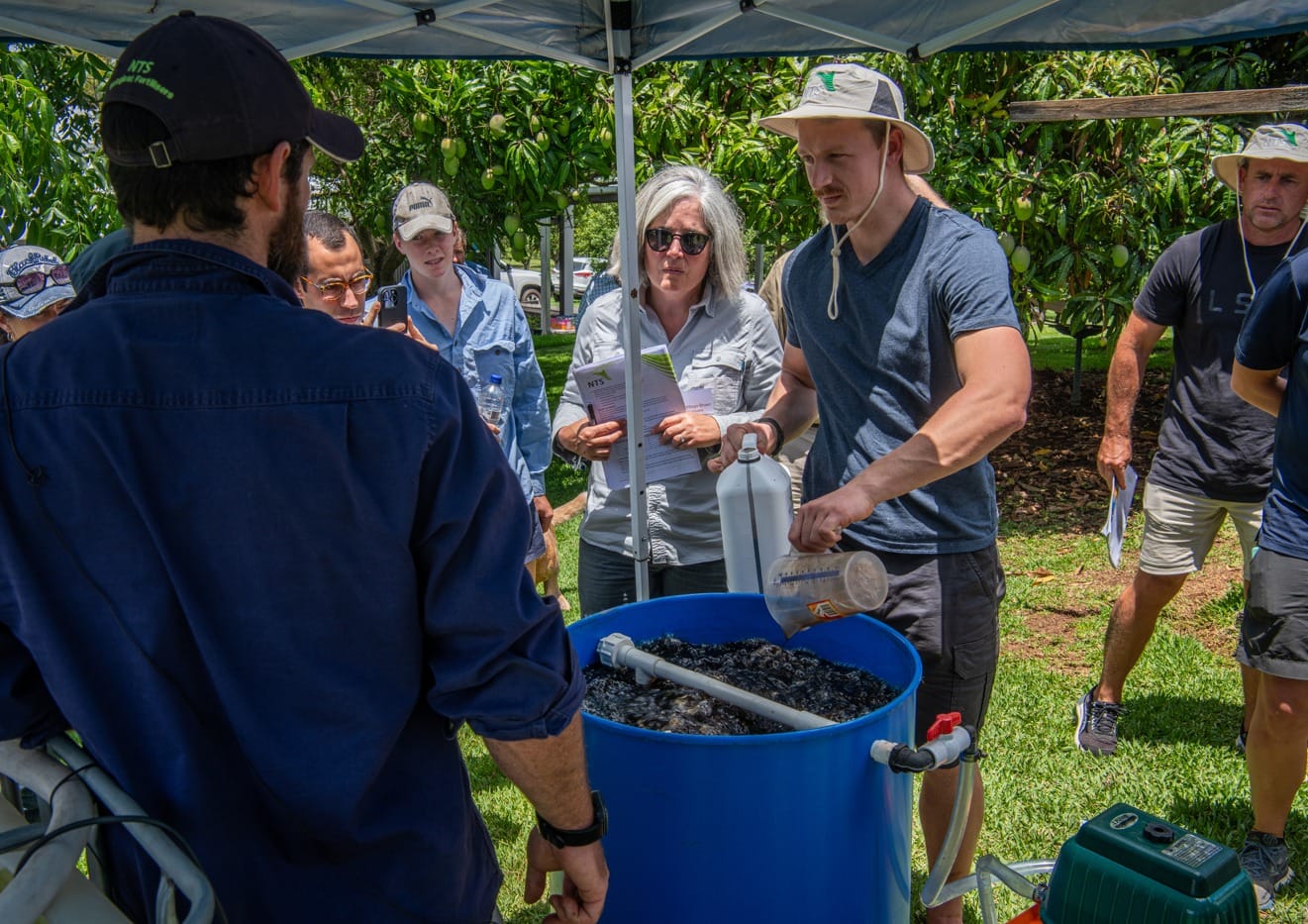
Our next iconic, five-day Certificate in Nutrition Farming® course is scheduled for March 2027: Monday 1st - 5th.
Did you know that government subsidies are available for farmers via the Farm Household Allowance? Check it out here... https://www.servicesaustralia.gov.au/farm-household-allowance
Our last course was attended by growers and consultants from six countries. It was a wonderful learning opportunity where attendees enjoyed a wealth of education and inspiration from both our presenters and their fellow attendees. We only accept 40 bookings for these courses, so please register if you would like to attend.