THE SEAWEED ESSENTIAL - Top 10 Kelp Benefits for Soil & Plant Resilience - Part 1 🌿

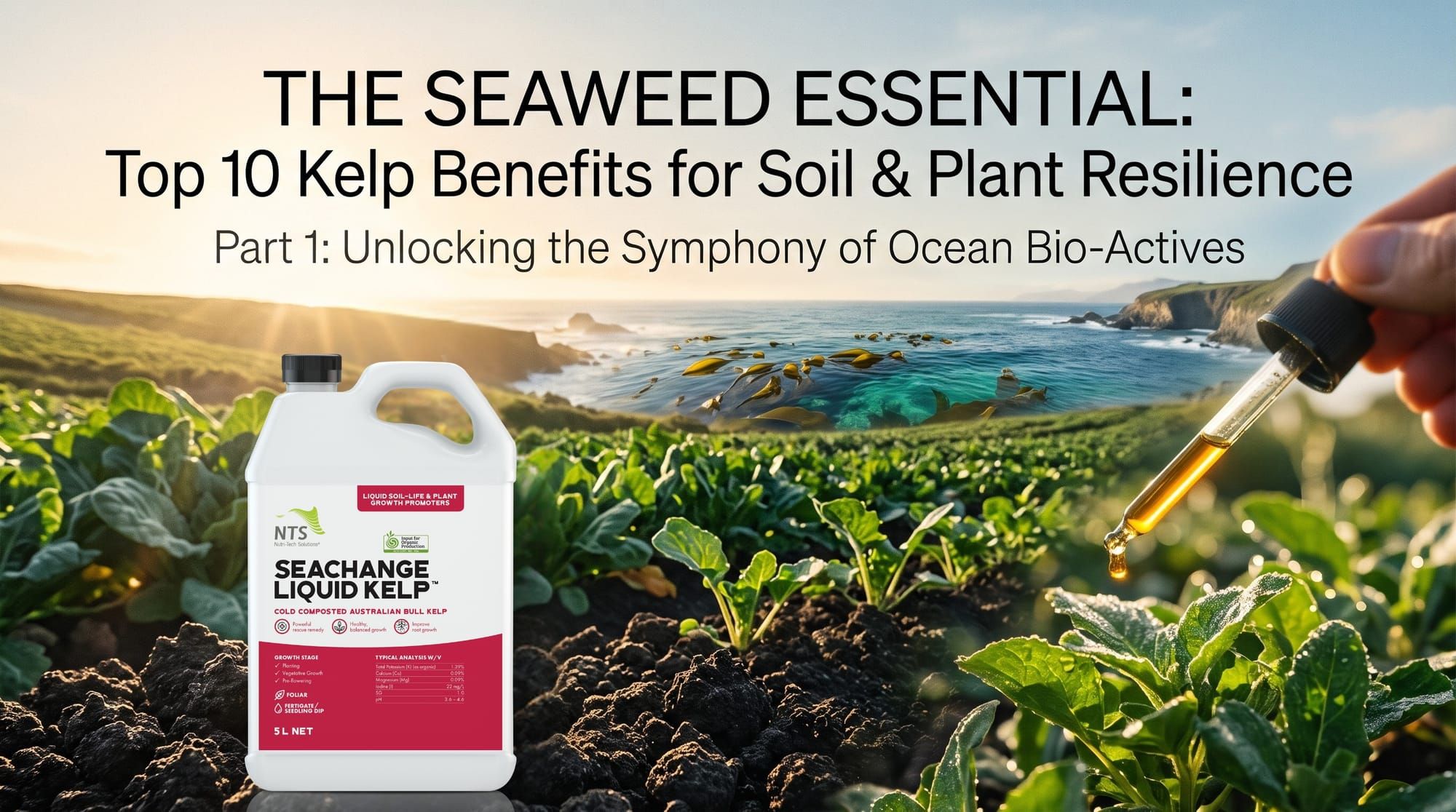
Unlocking the Symphony of Ocean Bio-Actives
By Graeme Sait
I’m sure you have heard me talk about regenerative essentials - the inputs you really can’t do without, when embarking on a Nutrition Farming journey.
Kelp (seaweed) actually tops that list, and in this two-part feature, we will explore this multifunctional marvel to help you better understand the potential.
There have been various efforts to isolate key players in seaweed, with little success. There is no single player here. This is about an absurdly complex mix of bio-active substances bouncing off each other to produce a symphony of benefits, including growth promotion, yield and quality increases, and enhanced stress tolerance.
Ongoing sustainability is becoming an increasing concern in our consideration of all farm inputs. There will be no phosphate or potassium left to mine once the existing mines are exhausted. That’s part of why China has recently imposed an export ban on these two minerals. The cost of harvesting nitrogen from the atmosphere, as urea, continues to grow, as evidenced by the recent massive increase in urea prices.
Kelp is the ultimate renewable. There are over thirty seaweed varieties of value in agriculture, and they are easily farmed. It is, in fact, the fastest-growing plant on the planet, producing up to 30 cm of growth each day, and it can be harvested 5 to six times per year.
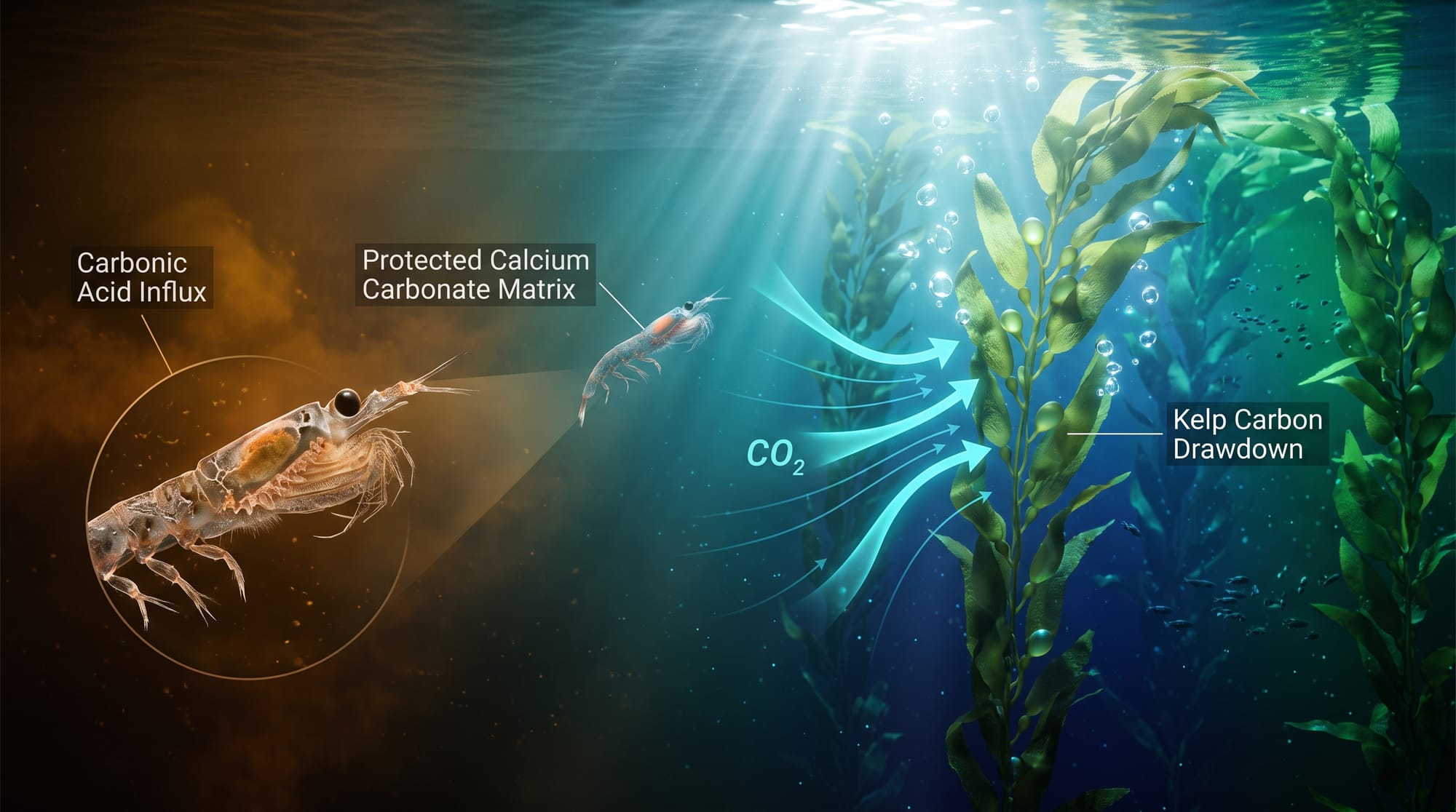
Unlike land-based crops that harvest their CO2 for photosynthesis from the atmosphere, kelp plants source this resource from the mineral-dense water in which they reside. That is hugely important because ocean acidification is killing all creatures with a calcium-based shell or cell wall. That includes creatures like phytoplankton, which provide the oxygen for two out of three breaths we take. Our oceans have absorbed over half of our carbon emissions during the last century, and this creates carbonic acid in the seawater. We now have an ocean that is more acidic than ever, and that’s bad news for calcium-based krill, phytoplankton and coral reefs.
Just put some vinegar on ground-up egg shell, and you will understand the impact of acidity upon calcium carbonate. In fact, this eggshell recycling is a great way for home gardeners to create their own liquid calcium.
Krill are the base of the food pyramid for ocean life, and they are also being seriously impacted by the dissolving effect of carbonic acid, weakening their cell walls.
Kelp helps counter this serious issue by sucking up some of this excess and de-acidifying our oceans. In fact, the massive explosion in a species called Sargassum in some regions could be more than just a climate change phenomenon. It could well be seen as an attempt by Nature to counter this man-made, acid shock.
So, let’s look more closely at the many benefits of this pesticide-free, herbicide-free, fully renewable gift from the ocean.
The Top Ten Kelp Benefits
1) Kelp stimulates microbes - this stimulation is two-fold. Kelp increases chlorophyll density. It improves photosynthesis and the associated production of glucose. 30% of plant sugars are gifted to the soil life, so any increase in production means more food for the workforce. Similarly, sugar exudates feed and stimulate the army of organisms living on the leaf surface (the phyllosphere), and an increase in these exudates is always positive. Kelp also contains long-chain carbohydrates that specifically stimulate fungi. Many growers would benefit by improving the fungi-to-bacteria ratio in their soils, and kelp is a primary player in boosting fungal numbers.
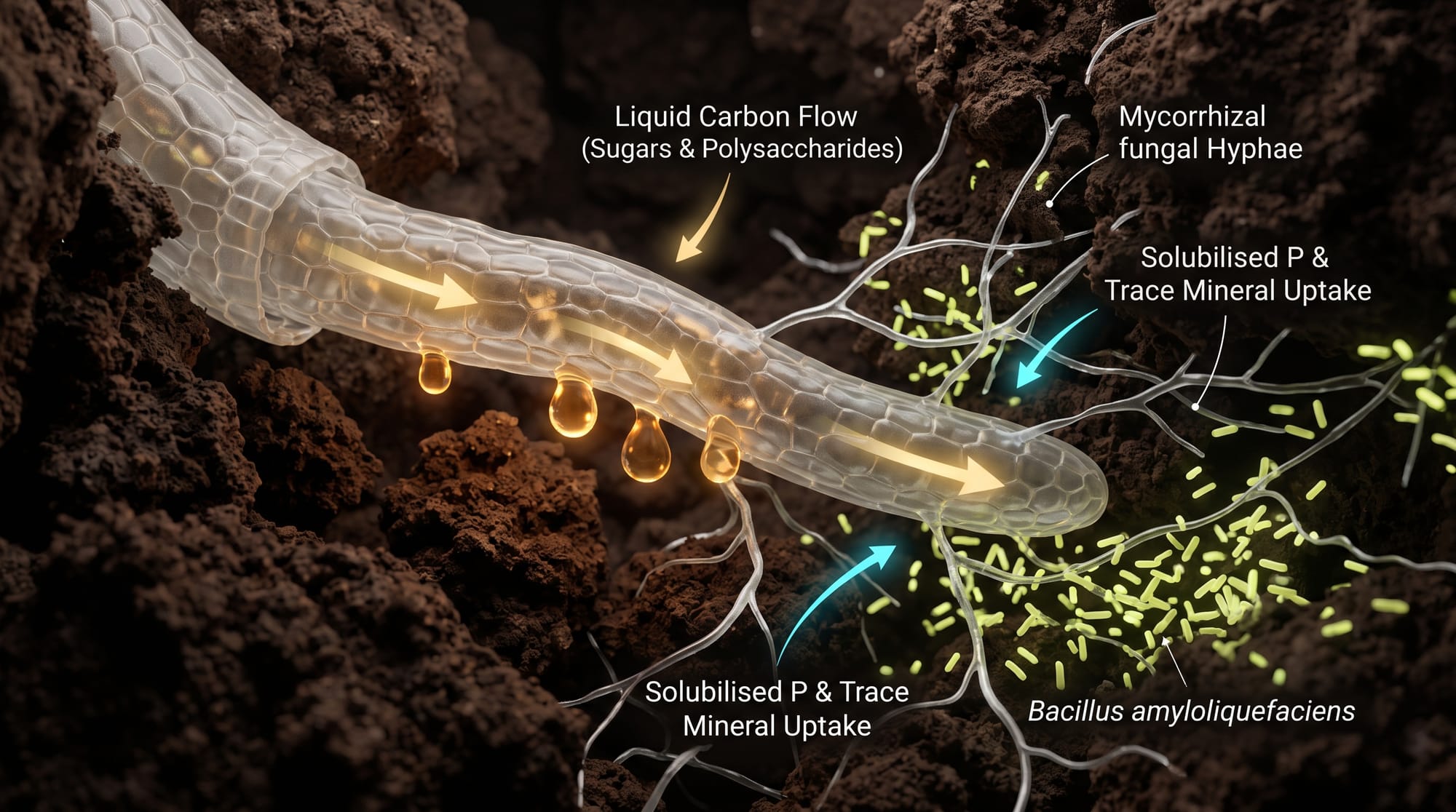
Bacteria also benefit. Studies have shown increased biodiversity of bacteria and a specific positive impact upon strains of Bacillus that are recognised plant growth promoters. One study, involving ascophyllum nodosum ( Nutri-Kelp), applied to the roots and the foliage of greenhouse tomatoes and capsicums, showed significant improvements in the numbers and diversity of rhizosphere and phyllosphere organisms. In this study, there were also marked increases in the activity of key enzymes in the soil. This included enzymes like urease, the nitrate reductase enzyme and cellulase. The kelp-treated crops exhibited marked increases in root, shoot and fruit biomass over the control.
2) Kelp is a rescue remedy that enhances stress tolerance. It was the first thing I reached for to help rescue my hail-damaged crops last season, and I’m praying that it will not be required this season.
Seaweed extracts are particularly effective in countering drought stress in plants. Studies have demonstrated that kelp-treated plants in drought conditions have maintained a higher relative water content, improved water use efficiency, better stomatal conductance and reduced transpiration rates. One large soybean study reported reduced wilting and increased recovery rates amongst drought-stressed plants.
Frost protection associated with kelp is also well studied. In this instance, it appears that this protection is linked to the capacity of kelp for gene regulation. One study demonstrated significant increases in tolerance to freezing stress after kelp application. This again involved ascophyllum nodosum (Nutri-Kelp), where there was considerable up- regulation of freezing tolerance genes in the treated crops.
In one tomato study under drought conditions, treated plants contained much more glucose, sucrose, and proline than untreated plants. There was also an 800% increase in the tas14 genes, which encode the dehydrin proteins responsible for stress alleviation.
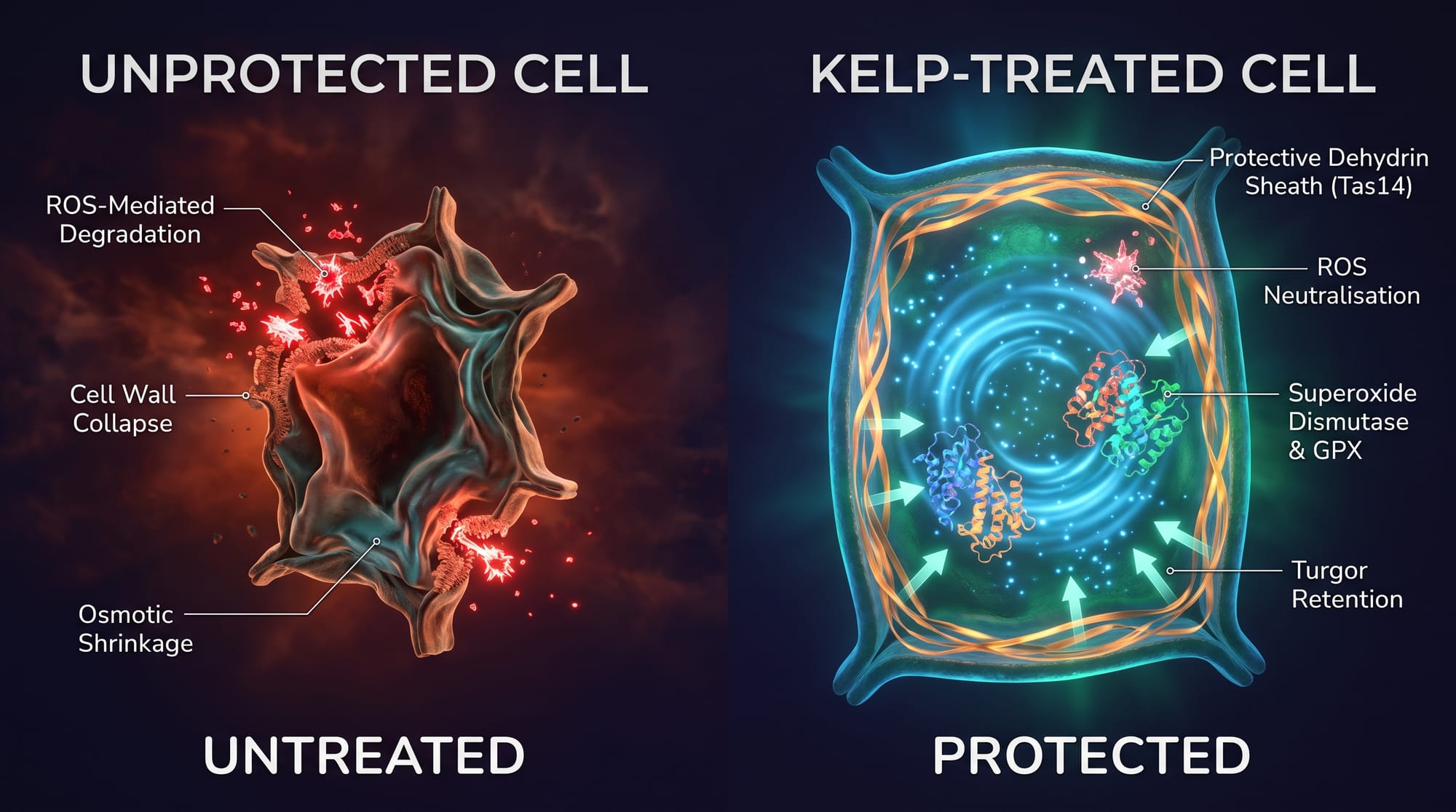
The other big benefit of kelp, relative to abiotic (environmental) stresses, relates to salt tolerance. Kelp offers profound benefits in terms of countering salinity. One study revealed the up-regulation of 257 genes linked to sodium tolerance, after kelp treatment. I won’t name all these genes, but treated plants also showed significantly lower sodium and higher phosphorus levels compared to the salt-stressed control. Sodium excess often generates considerable free radical damage, but in this same study, treated plants had much higher levels of antioxidant enzymes like superoxide dismutase and glutathione peroxidase. These protective enzyme systems alleviate free radical damage from sodium.
3) Kelp reduces biotic stress - biotic stress refers to increased pressure from insects and disease.
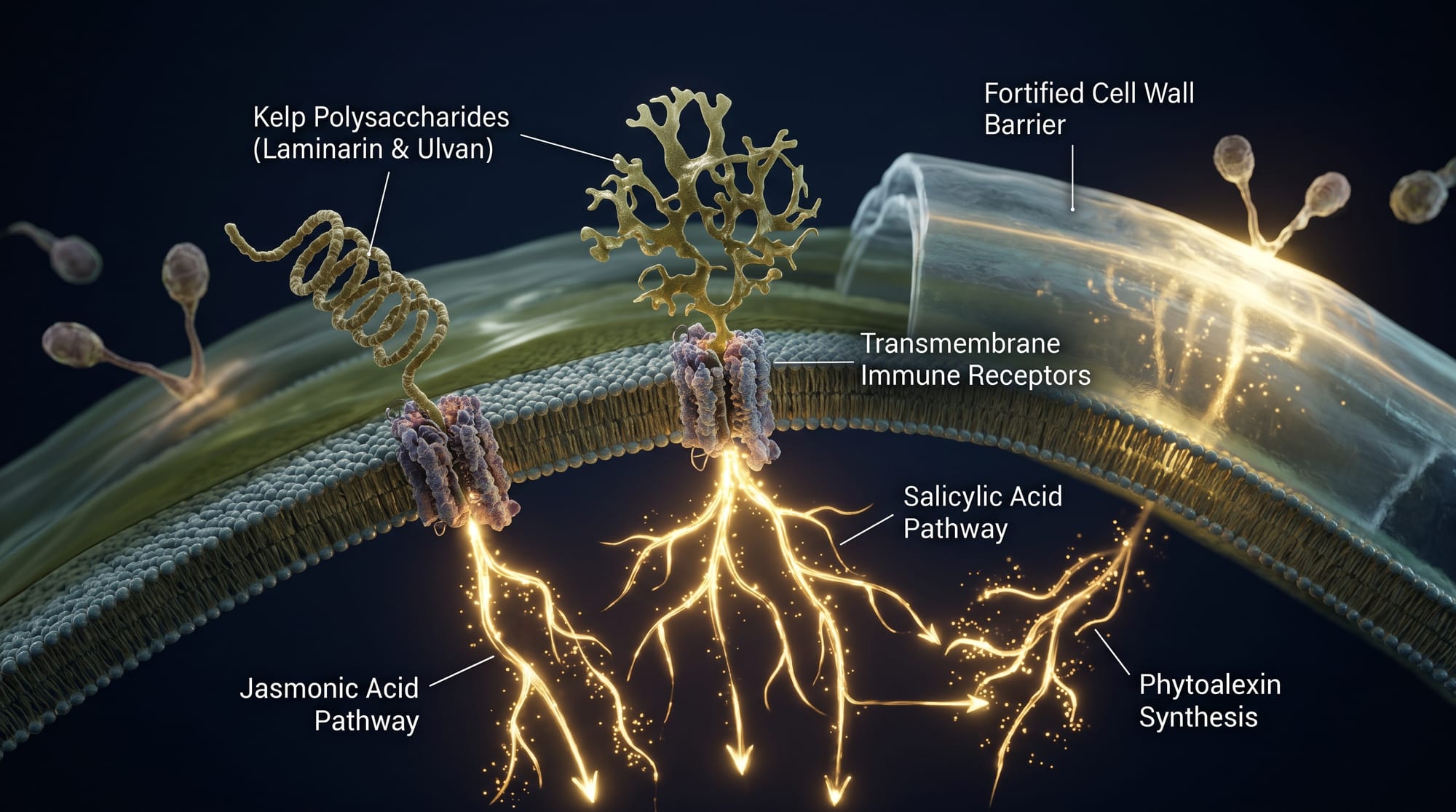
The anti-fungal and insecticidal qualities of kelp are largely linked to an induced immune response in the plant. It turns out that the same complex sugars in the cell wall of the kelp that feed and stimulate beneficial fungi in the soil do more than that. These polysaccharides, including ulvans, laminarins and carrageenans, have been shown to confer these resistance responses. The defence pathways activated by kelp include those linked to salicylic acid, jasmonic acid, and ethylene. We will discuss these later, but it is always important to remember that any input that elicits an immune response also increases yield
We are only partway through the kelp story, but perhaps you can see why I get excited about this Nutrition Farming essential.
4) Kelp is a great, inexpensive seed and seedling treatment - seed treatment with seaweed can cost as little as $1 per hectare. This treatment has been shown to reduce seed dormancy, improve germination and to provide a root and shoot boost for a good kickstart to the season. One of the studies mentioned earlier about reduced sodium stress involved a simple seed treatment with kelp, and the associated sodium resistance persisted throughout the entire crop cycle.
5) Seaweed increases crop quality and shelf life.- Professor T L Senn conducted research where foliar sprays of kelp before harvest significantly delayed senescence (the breakdown of the fruit, post-harvest). In stonefruit, there was an effective doubling of shelf-life. His book, “Seaweed and Plant Growth”, remains a pioneering classic, covering the multiple benefits of kelp.
6) Kelp is a brix builder - brix is a measure of dissolved solids in the plant. It is actually also a measure of your crop management skills, because the higher the Brix levels, the lower the problems. Kelp, particularly when foliar-sprayed, will boost Brix levels rapidly.
There has been quite a body of research on kelp and sugar cane, because it is of obvious financial benefit to lift sugar levels (brix) in this crop. Kelp applications have been shown to Increase biomass in plantlets, Increase plant growth parameters, increase yield, and these foliar kelp applications have been shown to significantly improve sugar content . Kelp also lowers the risk of wilting, enhances borer control and enhances water retention capacity and water use efficiency in sugar cane.
Conclusion…
Resilience is fast becoming the buzzword of the brave new world of climate change farming. Nothing bolsters bounce-back capacity more profoundly than kelp.
In part two of this kelp feature, you will discover how to specifically work with kelp on your farm to ensure optimum rewards. Here, we will talk about the differences between kelp varieties, but most importantly, we will look at something called Critical Stages of Influence (CSI). These key growth stages are where the hormones in seaweed can create a profound response.
Wishing you all things good for the coming season 🌱
Warm regards
Graeme
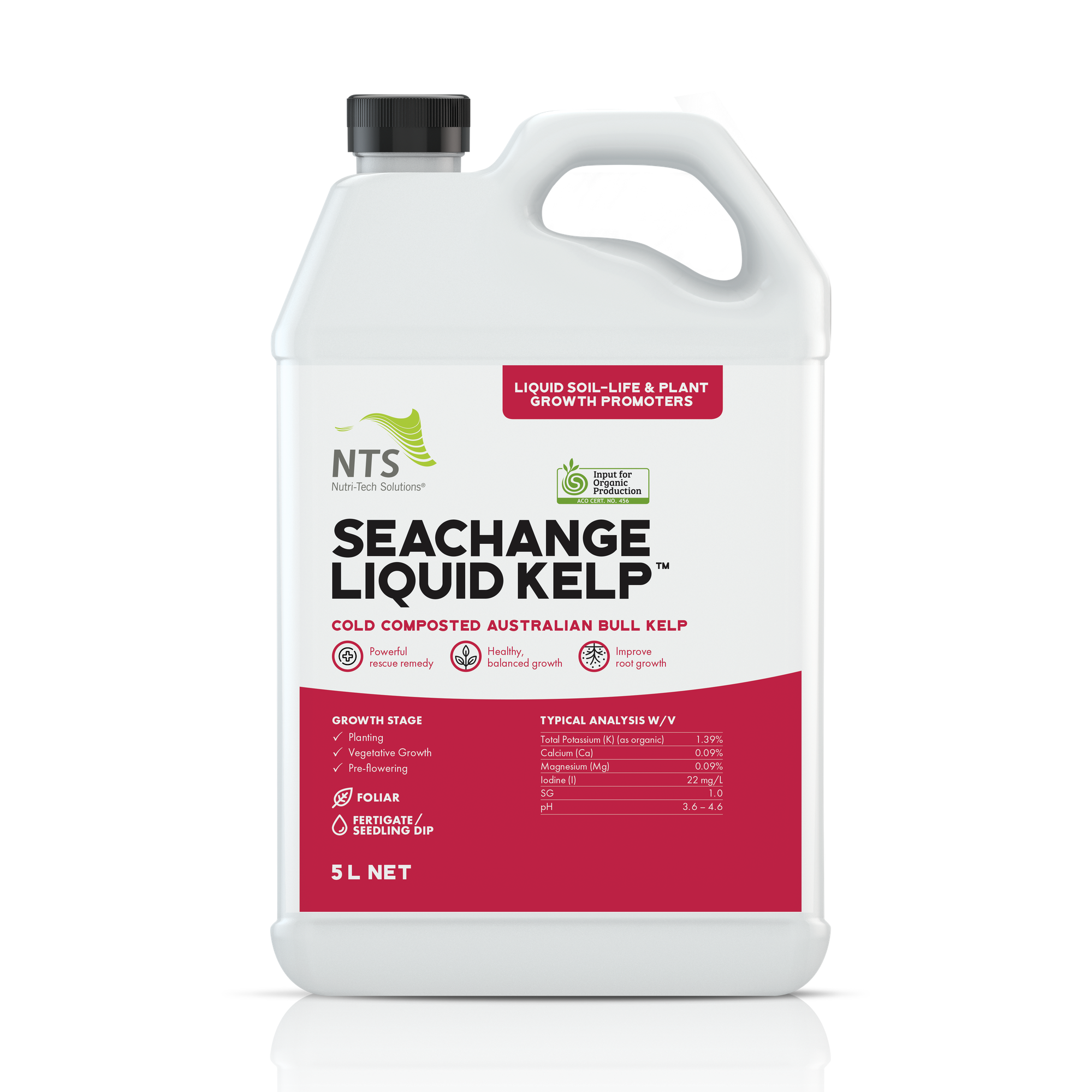
SeaChange Liquid Kelp™
Cold-composted Australian Bull Kelp – high quality and extremely well priced.
Liquid Australian Bull Kelp Durvillaea potatorum, manufactured with a proprietary processing system. The 90-day cold-composting process retains all of the natural attributes of bull kelp, with none of the denaturing features inherent in some other manufacturing procedures that involve heat and alkaline extraction. The attributes include: minerals, amino acids, natural growth promotants, chelating agents and complex sugars. This product has been developed as part of an NTS quest to reduce the costs to the Australian farmer of the core components of biological agriculture.
Key Performance
- Powerful rescue remedy
- Healthy, balanced growth
- Improved root growth
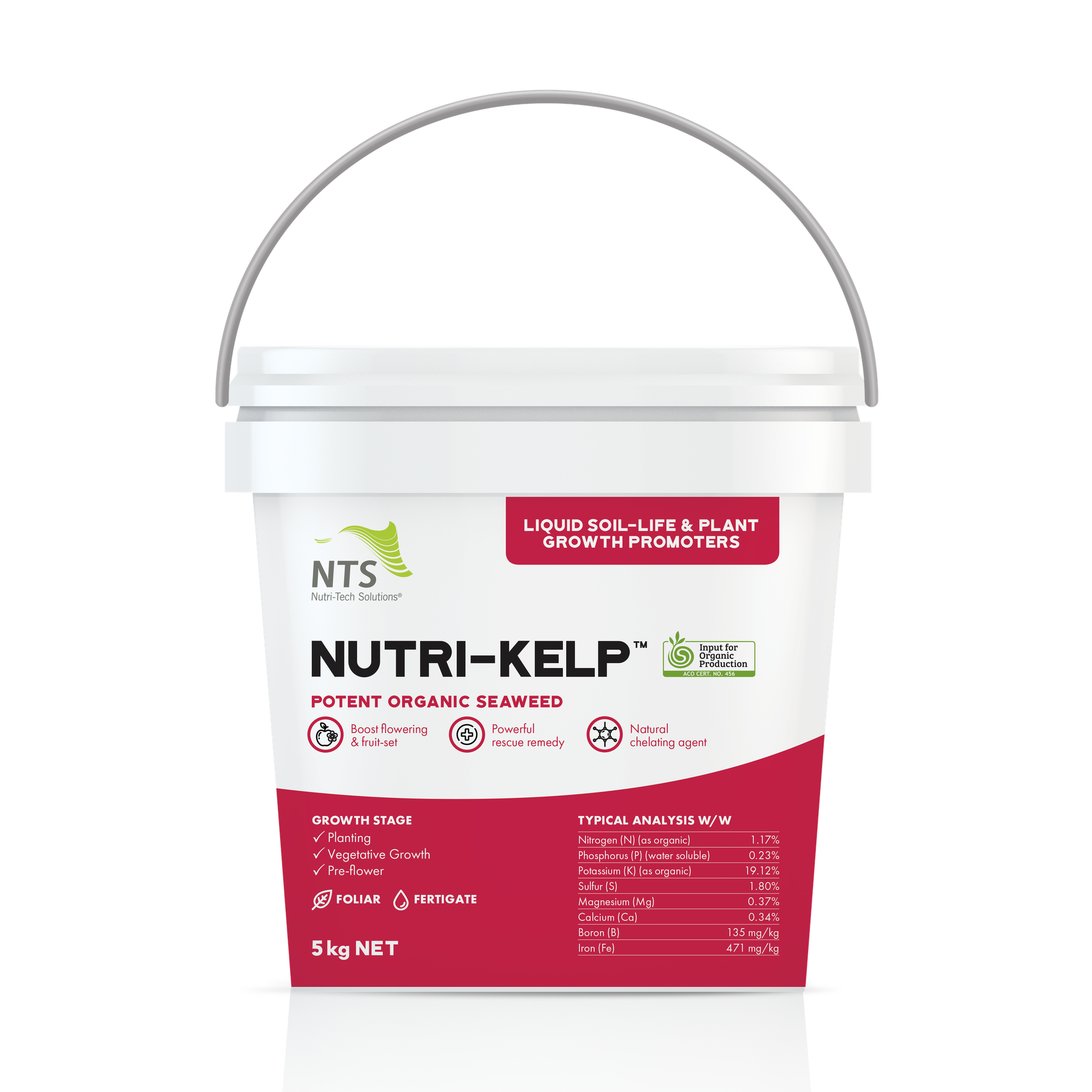
Nutri-Kelp™
One of the world’s most potent organic seaweed fertilisers concentrated into a 100% soluble powder.
Derived from Ascophyllum nodosum, harvested from the clean, cold North Atlantic waters. Available in a 100% soluble powder, which reduces transport costs, this seaweed fertiliser can be used through irrigation or as a highly productive foliar fertiliser. Kelp is a natural source of auxins, cytokinins and gibberellins, and these ingredients, in conjunction with the comprehensive range of trace elements, amino acids and chelating agents found in kelp, can provide many benefits. Kelp also contains complex carbohydrates, which are a powerful microbial promotant – the fungal component of the soil can be boosted with Nutri-Kelp™ powder.
Benefits
- Australian Certified Organic (ACO) Registered Farm Input 456AI.
- Can be a valuable rescue remedy during periods of stress.
- Improves crop quality and associated shelf-life.
- Boosts soil life activity, particularly the fungal fraction.
- Reduces maturation time.
- Increased Brix levels may increase cold tolerance in some crops.
- Offers DIY chelation, as it contains a chelating agent called mannitol.
- Contains broad-spectrum trace elements in naturally chelated plant-available form.
- Boosts flowering and improves the flower-to-fruit ratio.
To order or learn more, call NTS on (07) 5472 9900 or email sales@nutri-tech.com.au.
Certificate in Nutrition Farming
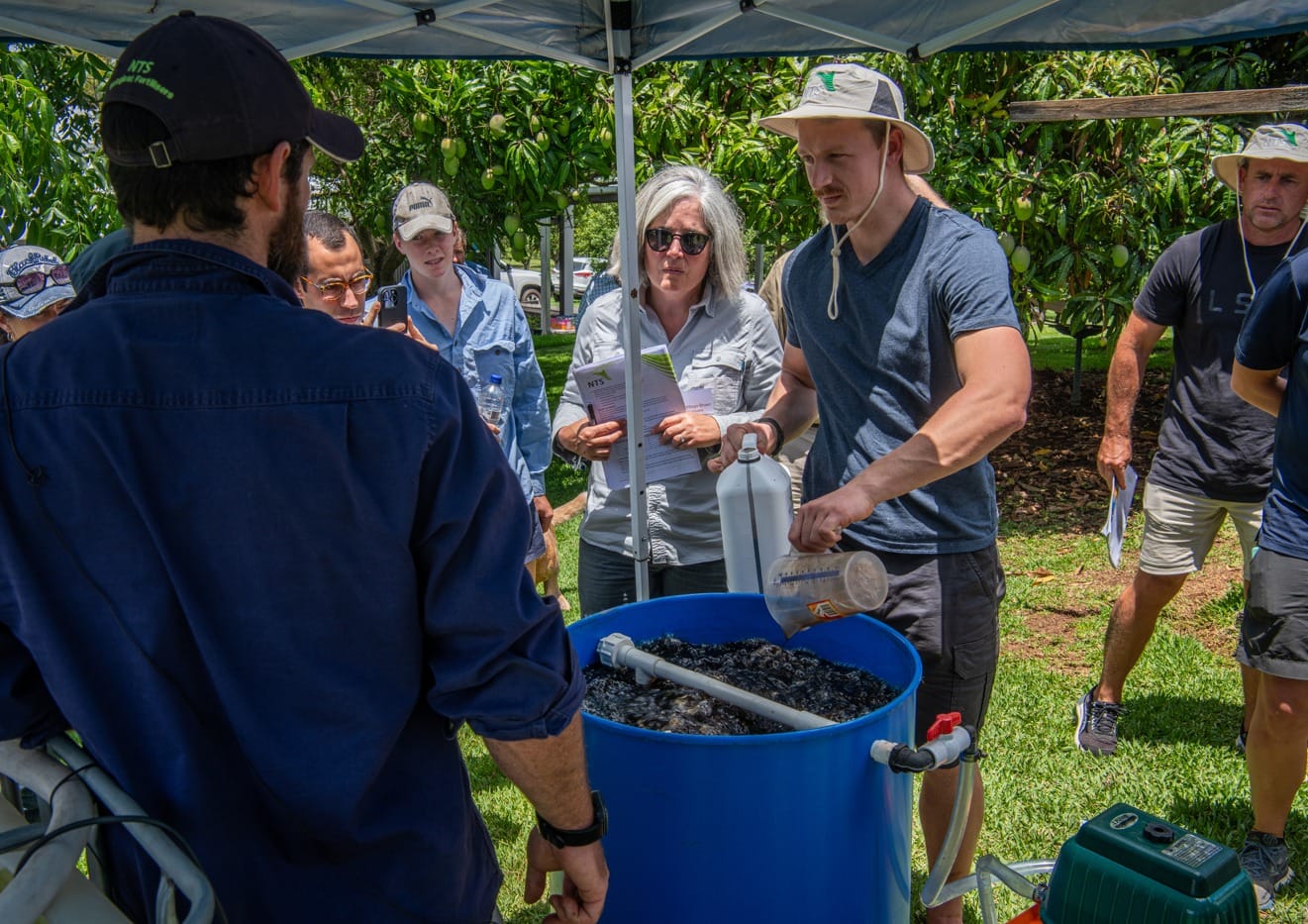
Our next iconic, five-day Certificate in Nutrition Farming® course is scheduled for November 2026: Monday 2nd - 6th.
Did you know that government subsidies are available for farmers via the Farm Household Allowance? Check it out here... https://www.servicesaustralia.gov.au/farm-household-allowance
Our last course was attended by growers and consultants from six countries. It was a wonderful learning opportunity where attendees enjoyed a wealth of education and inspiration from both our presenters and their fellow attendees. We only accept 40 bookings for these courses, so please register if you would like to attend.