🌱Growing Your Own Superfood - Part 2: Advanced Biological Strategies for Chemical-Free Abundance 🌿

By Graeme Sait
In part one of this guidance, we discussed the first three of the Top Ten tips to produce your own chemical-free food with forgotten flavours, enhanced shelf-life and greater medicinal qualities. In this contribution, I will complete that list of tips, beginning with the all-important recycling of organic matter to build humus.
4) Embrace Compost - herein lies another major environmental benefit. One of the largest sources of methane gas (23 times more thickening of the blanket than CO2) is rubbish tips. This is largely due to consumers combining organic material with inorganic material in their rubbish bags, and creating methane generation during anaerobic decay at the rubbish tips. Recycling all organic matter as compost can address this serious greenhouse gas issue with a double whammy. We also stimulate humus production in our gardens with that compost.
That is perhaps the biggest benefit of compost. It can help your soil reclaim its carbon-building potential by reintroducing the vast diversity of organisms responsible for that task. In one US study, a tonne of compost per acre, per year, for 3 years, resulted in an organic matter increase of 1.35%. A soil with existing organic matter levels of 2%, that now has 3.35 %, has increased humus by over 60% with a very fine sprinkle of compost each year( remembering that one tonne per acre is just 1 kg per 4 square meters).
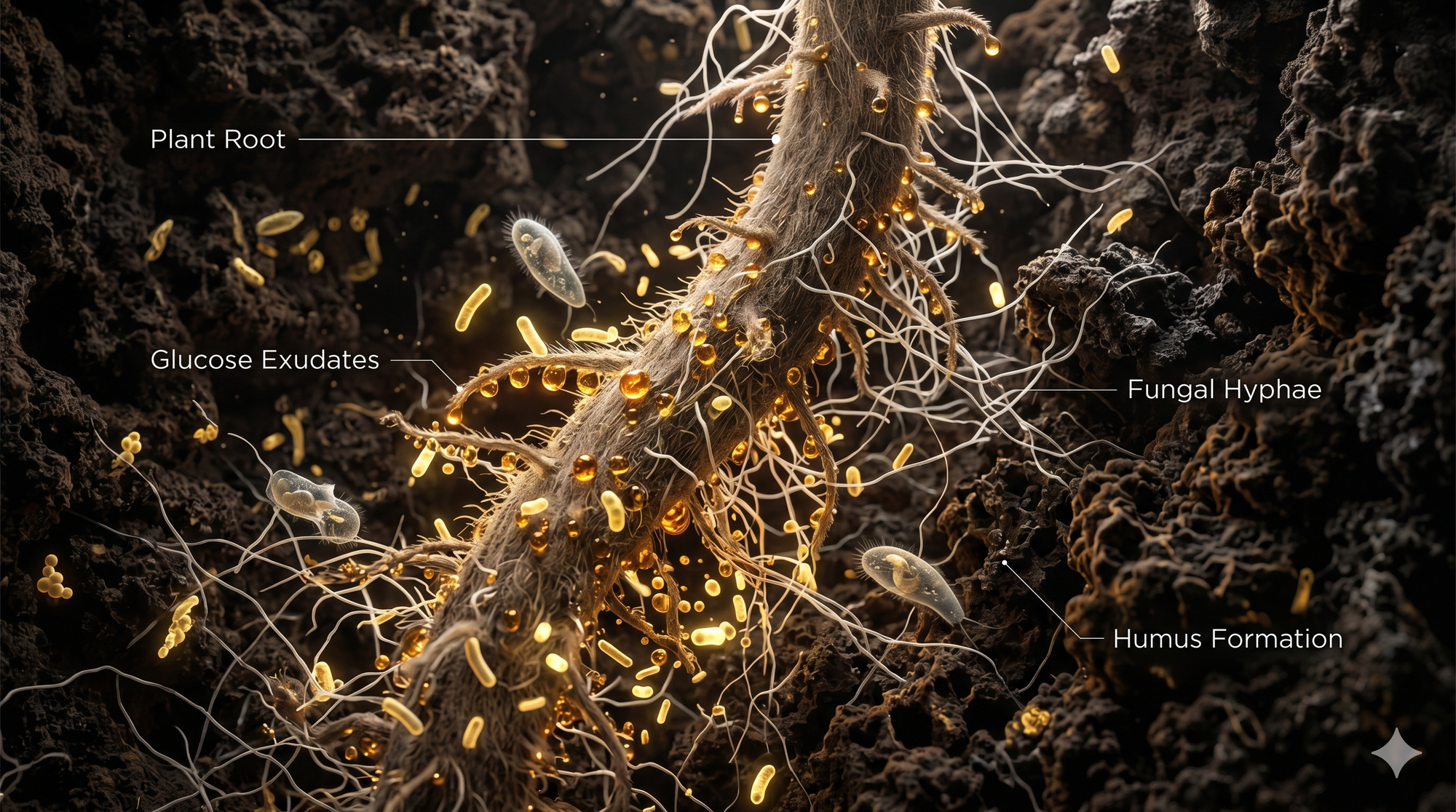
The total of 3 tonnes of compost per acre applied over three years only supplies enough actual carbon to account for a rise of just 0.15%. How did we build 9 times more carbon than what was actually applied? That’s the beauty of compost!!! The army of diverse organisms found in compost created that humus from crop residues, dying roots and glucose exudates.
In this context, governments should be incentivising farmers to make compost or use compost. Similarly, councils should recognise their responsibility, separate waste streams, compost all organic waste and penalise anyone contaminating that potential compost stream. I reckon a $5000 fine for any rate payer tossing a can into their organic matter bin might just do the job. Draconian, nanny state nonsense, I hear you thinking. The reality is that we are in a crisis and draconian measures!
5) Feed your soil life - just like your gut organisms thrive when you feed them prebiotics, soil organisms respond similarly when fed certain stimulants. What are the best microbial foods we can use in the soil
There are five readily accessible “prebiotics” that can help put beneficial soil life into hyperdrive. These include full-fat milk, molasses (or even table sugar), liquid fish fertiliser, humates, and kelp. Let’s dissect these soil food inputs:
Microbes prosper on complete foods containing good levels of fat, carbohydrates and protein, just like our family, or our pets. Fish and milk qualify as complete foods, as long as it’s full-fat milk, rather than the low-fat mistake, which is a negative in all diets.
Molasses is like a high-carb energy source. Humates and kelp tend to be more hormonal stimulants, but humic acid and kelp contain long-chain carbohydrates that predominantly stimulate beneficial fungi. Most of our soils are in desperate need of a fungal boost.
Fulvic acid is ten times smaller than humic acid, and it is more of a bacterial stimulant. In this context, our product, “Seachange KFF”, is a perfect soil food. As the name suggests, it features high levels of liquid fish, supported by kelp and fulvic acid, and it also contains the remarkable plant growth promoter, triacontanol. If you were to include a little milk and molasses in the same watering can, you would have all bases covered.
6) Use all-inclusive natural fertilisers in the soil - these inputs can provide the kind of complete nutrition that will help ensure vibrant, healthy, resilient crops. In most instances, home gardeners do not conduct soil tests, so this strategy ensures that everything is present.
At this point, I need to mention the NTS favourite, LifeForce Gold. This is the product I use on both farms when planting anything. This is a pelletised, composted fertiliser, where all minerals have been addressed. This soil and plant food covers all bases, including biology, as we use a cold pelletising process that retains the diverse microbial life found in this nutrient-enhanced compost.
7) Discover foliar fertilising - this practice provides at least ten times more efficient nutrient delivery, compared to uptake from the roots. That’s why it has become something of a revolution in pasture and broadacre cropping. It’s a bit like spraying magnesium oil on your skin to stop cramping. This direct magnesium injection is ten times more efficient than the gut route.
I can understand why gardeners might resist this strategy. It’s not particularly appealing to risk RSI from constantly pumping a small sprayer or backpack. My suggestion is that you invest in a STIHL backpack mister. This motorised unit generates a fine mist blast that can even reach the top of your fruit trees. This mist blast is important because it serves two purposes integral to foliar success. Firstly, it delivers the super fine droplet that is essential for plant uptake, via the tiny stomata on the underside of the leaves. These tiny little mouths, which are there to suck up CO2 for photosynthesis, are the ideal entry point for rapid response from foliar nutrition. The Stihl mister provides tiny droplets that can easily enter those open mouths.
Secondly, the backpack mister blows hard enough to flip the leaves of your plants and coat the stomate-peppered underside with the desired supplements. It can be otherwise be quite laborious to try to physically target the underside of the leaf with the wand from your pump-up sprayer. With a motorised mister, you can literally spray your entire garden at walking pace within 15 minutes. In our time-starved world, that means you are much more likely to do it.
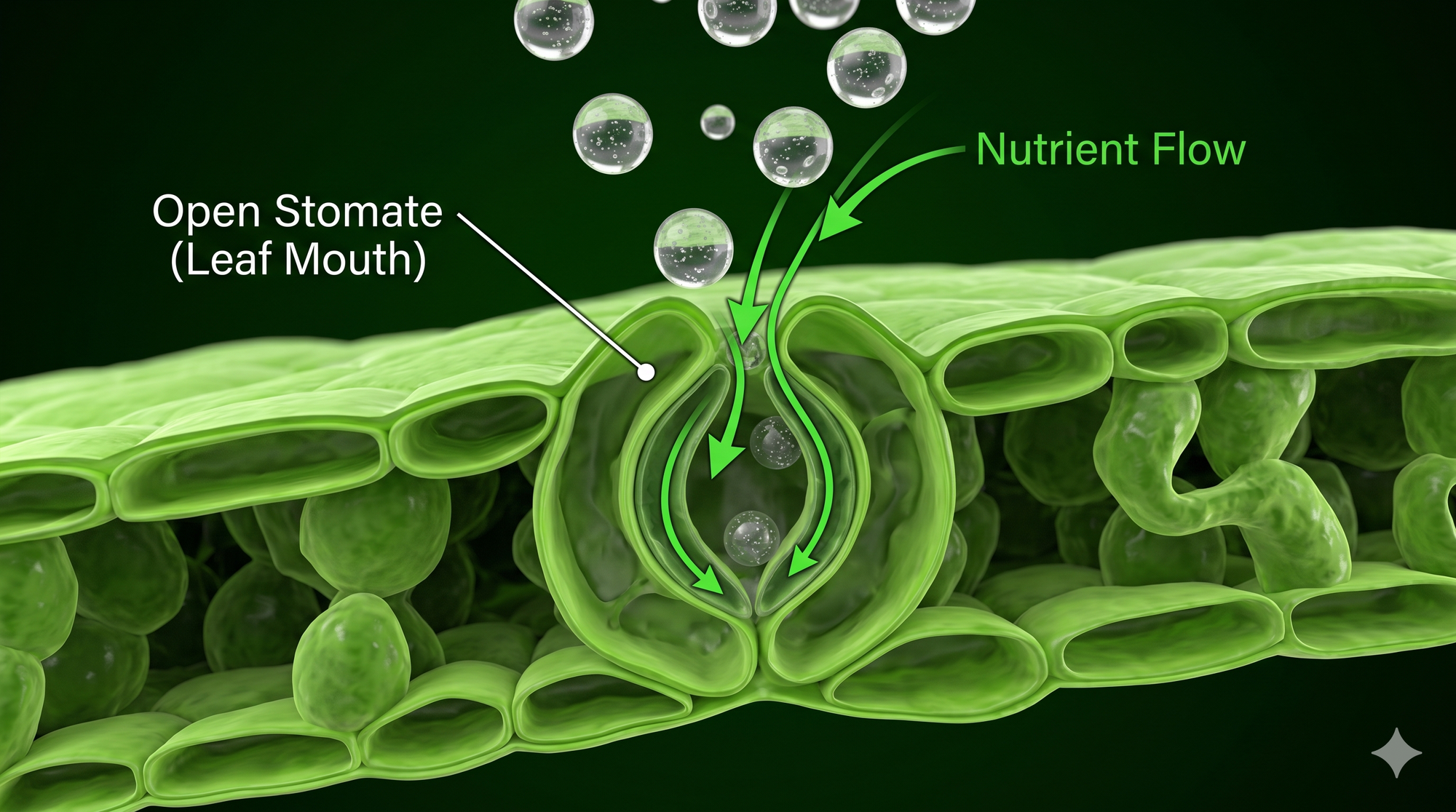
There is one other fascinating understanding relative to optimising foliar response. Those little stomate mouths open to their full size with certain stimulants. In the wonderfully interconnected marvel that is Mother Nature, the frequency of early morning bird song triggers stomatal opening, so the plant can better access dew, and perhaps a little dust mingled into that dew. The plant effectively has a drink and a feed amidst that dawn chorus. If we foliar spray early in the morning, we can sync with those little open mouths and optimise foliar uptake.
There is a second stimulant that sponsors stomatal opening. The stomata exist to suck up CO2, and hence it opens in the presence of a sudden influx of this carbon dioxide gas. When we foliar spray microorganisms, in the form of a compost tea or vermicast extract, there are billions of organisms delivered to the underside of each leaf. Like most living things, these organisms breathe out CO2, and that is the sudden influx that opens the mouth. When you combine microbes with foliar nutrition, you always get a better response. I’m sure you’ve heard me say it before. I call it “putting the microbes behind the minerals’. No foliar is ever applied on my farms or gardens without that microbial booster.
Once again, a proven foliar strategy involves selecting a complete foliar fertiliser that covers all minerals and multiple natural plant growth promotants in one formula. We have developed such an input for the home gardener called “Total Cover”. It is a complex formula involving over 60 components, and we receive wonderful feedback about the transformational response. Increasingly, some of this feedback is coming from cannabis growers, particularly from those countries where this multipurpose herb is legal. Growers are a little more cagey in those countries where it remains illegal. My consultants, when taking phone calls, report people describing their “tomatoes” and when asked what area they are growing. They sometimes drop the ball and say something like, “I’ve currently got 2 cupboards, but I would like to expand to 3 cupboards” He! He!
Total Cover is available from NTS or from our home garden site, nutritiongardening.com.au.
Nothing's perfect, and there are only two minerals missing from Total Cover. These include calcium and magnesium. These minerals could not be included because they are both incompatible with the phosphorus component of Total Cover.
As a result of this incompatibility, we created a second foliar called Trio. This liquid fertiliser contains chelated forms of magnesium and calcium, along with the boron required to activate calcium. It also contains large amounts of kelp and fulvic acid.
Total Cover can’t be combined with Trio in your spray tank. However, when you alternate foliar applications of Total Cover and Trio, you have delivered a complete and comprehensive plant nutrition that always reaps rewards.
8) Plant protection - virgin gardeners often dip their toe in the water, but withdraw it quite quickly when the cold reality of insect and disease decimation bites. Nutrition Gardening involves a food-producing system that builds plant immunity and resilience, to help increase the likelihood that gardening will provide more fun than stress.
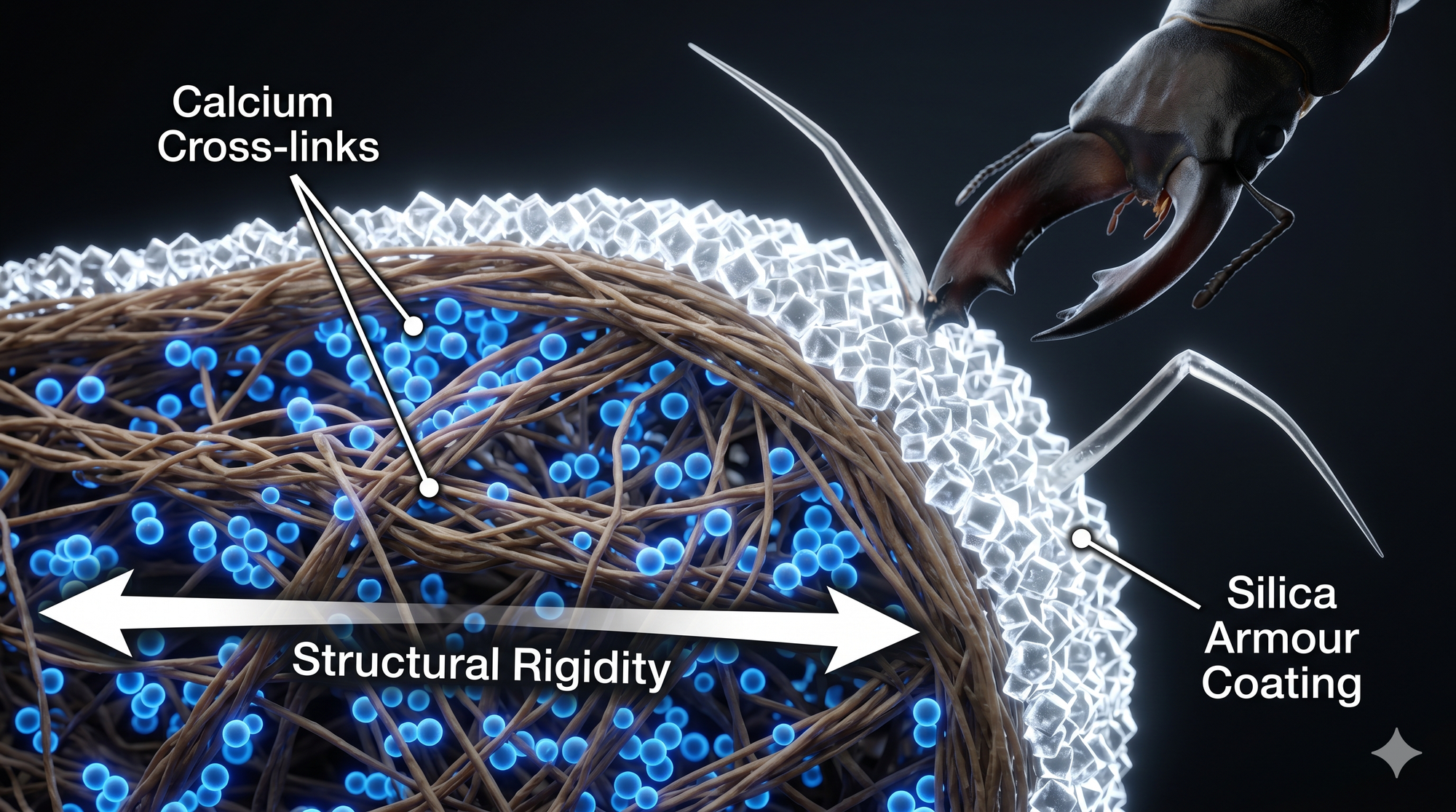
A critical part of this pest resistance involves building cell wall strength. The cell wall is the physical barrier that can blunten the mandibles of the sap-sucking insect or buckle the hyphae of invading fungi. The question becomes, “how can we strengthen that barrier to repel the undesirable. i.e., what determines cell wall strength?” The answer involves two minerals of equal importance. They include calcium and silica.
Calcium, the most immobile of all minerals, is very often missing. This shortage is often magnified because calcium uptake is so readily impacted by excesses of other minerals, including nitrogen, potassium and magnesium. This makes calcium an obvious candidate for the foliar delivery that bypasses these hurdles. Foliar calcium is essential for both gardens and farms if we are seeking to reduce the need for chemical intervention.
The second cell wall strengthener is silica, and this is a mineral that most home gardeners have never even contemplated. It has become the flavour of the month in commercial food production, as an increasing array of published papers confirms the multiple benefits. These include nutrient and water translocation, stem strength, pest resistance, immune elicitation and yield increases.
In the home garden, this simply translates to less stress and more pleasure. So, how do you boost plant-available silica in your garden?
You can apply a couple of trailer loads of basalt crusher dust. It contains 60% silica, but only the very finest particles will be plant available. However, the crusher dust offers other benefits, including other broad-spectrum minerals, inorganic carbon sequestration, biostimulation, and a fascinating phenomenon called paramagnetic stimulation. It can cost as little as $15 per tonne from a basalt quarry, and this is a very worthwhile investment in your food garden.
You can also source micronised diatomaceous earth. This powder comprises the silica-based skeletons of tiny creatures called diatoms that were entombed during geological upheavals over the eons. We have a liquid micronised DE product called Dia-Life, which is one of our most popular export items.
However, we also now offer the potential to address the three-legged resilience stool that Hugh Lovell called “the foundation minerals”. I’m talking about calcium, silica and boron.
It has not previously been possible to combine calcium and silica together because they are not compatible. However, we have recently introduced a new NTS product called Sili Cal-B, which supplies your crop or garden with the three foundation minerals in a single formula for the first time. That product is available in all container sizes from www.nutri-tech.com.au. The five-litre option may be best for the home garden.
9) Introduce a new workforce - your compost and soil foods have increased and supported all-important soil life diversity, but you can expand upon this “more the merrier” mantra with the introduction of DIY living fertilisers. These include compost extracts, specialist inoculums and beneficial anaerobes. Let’s look at how you might make each of these.
Compost extracts are better than compost teas in terms of diversity, and they are much easier to make. Vermicast is the absolute best, but any compost can be used. Here’s how you do it:
Recipe for 20 litres of compost extract.
Add 3 kgs of vermicompost to a 20-litre bucket.
Now fill that bucket with water, using high pressure, as you blast the microbes from their humus base.
When the bucket is full, stir it vigorously for ten minutes. You can even use a paint stirrer on a drill if you want to maximise microbe extraction.
Now, let the slurry settle before pouring the mix through a stocking, or an NTS compost tea bag, to remove the solids, which will otherwise block your sprayer, or clog your watering can.
This rich and diverse microbe extract can be applied to the soil with a watering can, or it can be the “microbes behind the minerals” in your foliar spray.
Specialist inoculums
The most important specialist inoculum you can introduce in your food garden is mycorrhizal fungi. These symbiotic creatures are best introduced onto seedlings or seed, but they can also be watered onto existing crops.
If you are not familiar with these important organisms, I’ll briefly explain.
Mycorrhizal fungi burrow into the plant root, so they can access plant exudates, but they are not parasites. In fact the give much more than they receive. Once established, they grow a bunch of fine filaments that effectively provide a massive root extension. In fact, your roots now have ten times more surface area to harvest moisture and nutrients. However, that’s just the start. This hyphal maze produces biochemicals that protect from root knot nematodes, and others that stimulate plant immunity. The filaments reach out to harvest immobile minerals like phosphate and zinc, but there is another hugely important benefit for repopulating mycorrhizal fungi into your garden. These creatures produce a carbon-based substance called glomalin, which is now known to be responsible for 30% of all humus formation. It appears to trigger humus-building organisms to increase their performance.
Mycorrhizal populations have been decimated in many home gardens through the biocidal effect of years of chlorinated water, along with the over-cultivation that constantly slices and dices their hyphae extensions.
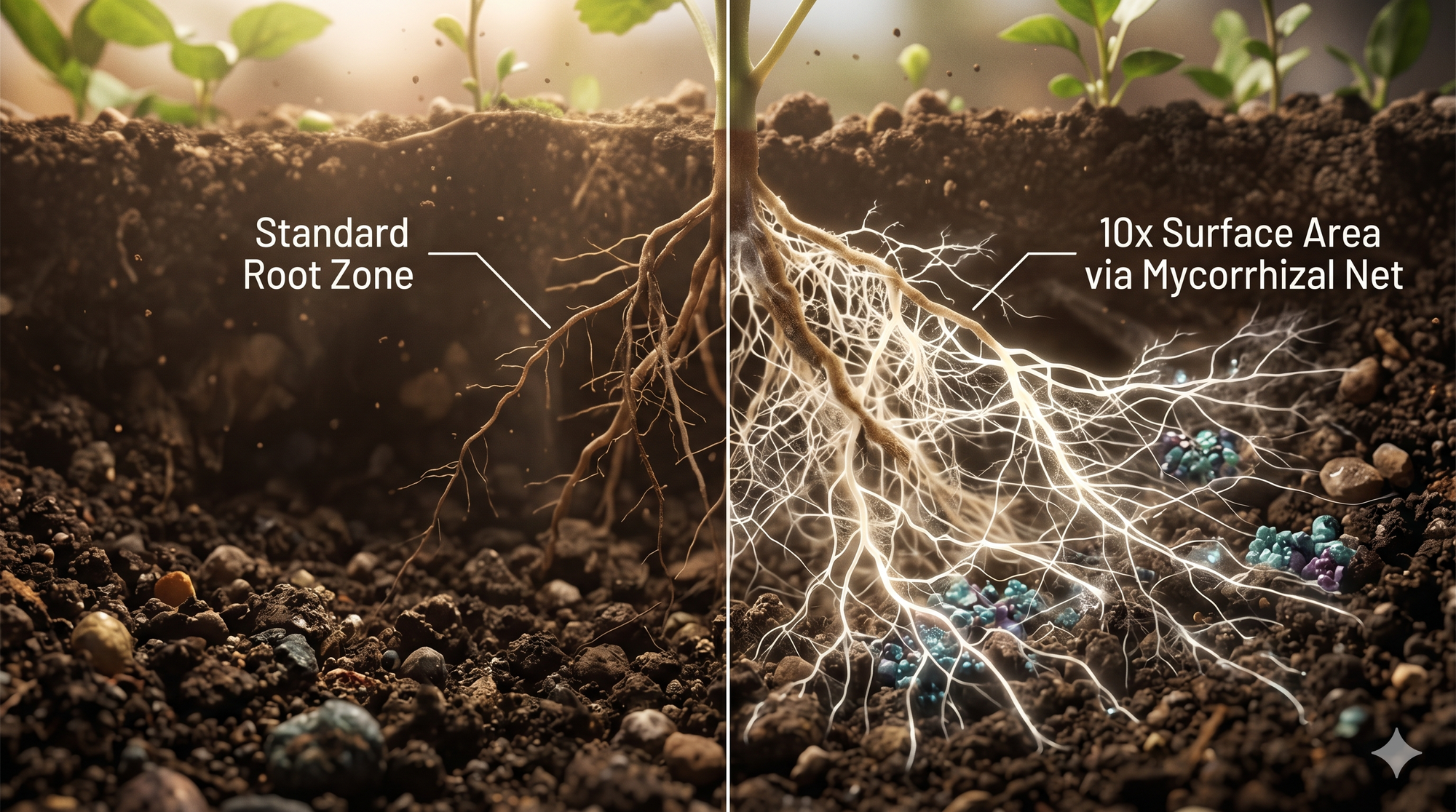
We have a really productive mycorrhizal inoculum for the home garden, called Platform. It also contains bacillus specialists for plant growth promotion. Platform is available in home packs at www.nutritiongardening.com.au or at the NTS website.
Finally, in our quest to build biology, we must consider beneficial anaerobes. These hardy organisms perform similar roles to aerobic microbes. They protect from disease, build humus, improve soil structure, stimulate plant growth and facilitate better nutrient uptake.
The good news is that they are particularly user-friendly because, once brewed, they can remain viable for up to two years. That means they are there to combine with anything, at any time. We offer a blend of 65 beneficial anaerobes, called BAM (Beneficial Anaerobic Microbes). Here’s how easily you can multiply these creatures at home to make 20 litres of these stable beneficials.
20 litre BAM recipe
You will need a 20-litre bucket with a lid.
Source a one-way breathing valve from a home brew shop (for around $5) and plumb it into the lid.
Now add 2 litres of BAM (available from NTS) and one litre of molasses to the drum and top it up with water,
Stir the mix for one minute before sealing the bucket. with the lid fitted with the one-way valve.
In warm conditions you BAM brew will be ready to use in ten days, but it will take longer in the cold.
It will stay viable for up to 2 years and can be included with foliars and soil foods, at any time, to increase performance, productivity and resilience.
BAM can also be used to fast-track composting, where the DIY inoculum is diluted with water and sprayed on each layer of compost during the construction of your pile. The pile is then covered with a tarp and weights for 2 months. That’s all it takes to make a wonderfully productive BAM compost. The conversion rate of organic matter to humus is 50% better with this anaerobic composting strategy.
In Conclusion …..
I trust you now feel a little more inspired to grow your own superfood.
In this two-part offering, we initially discussed the need to escape chemical residues in our food, sequester carbon to counter global heating, eat freshly harvested food, and to destress, as a powerhouse rationale for growing your own food.
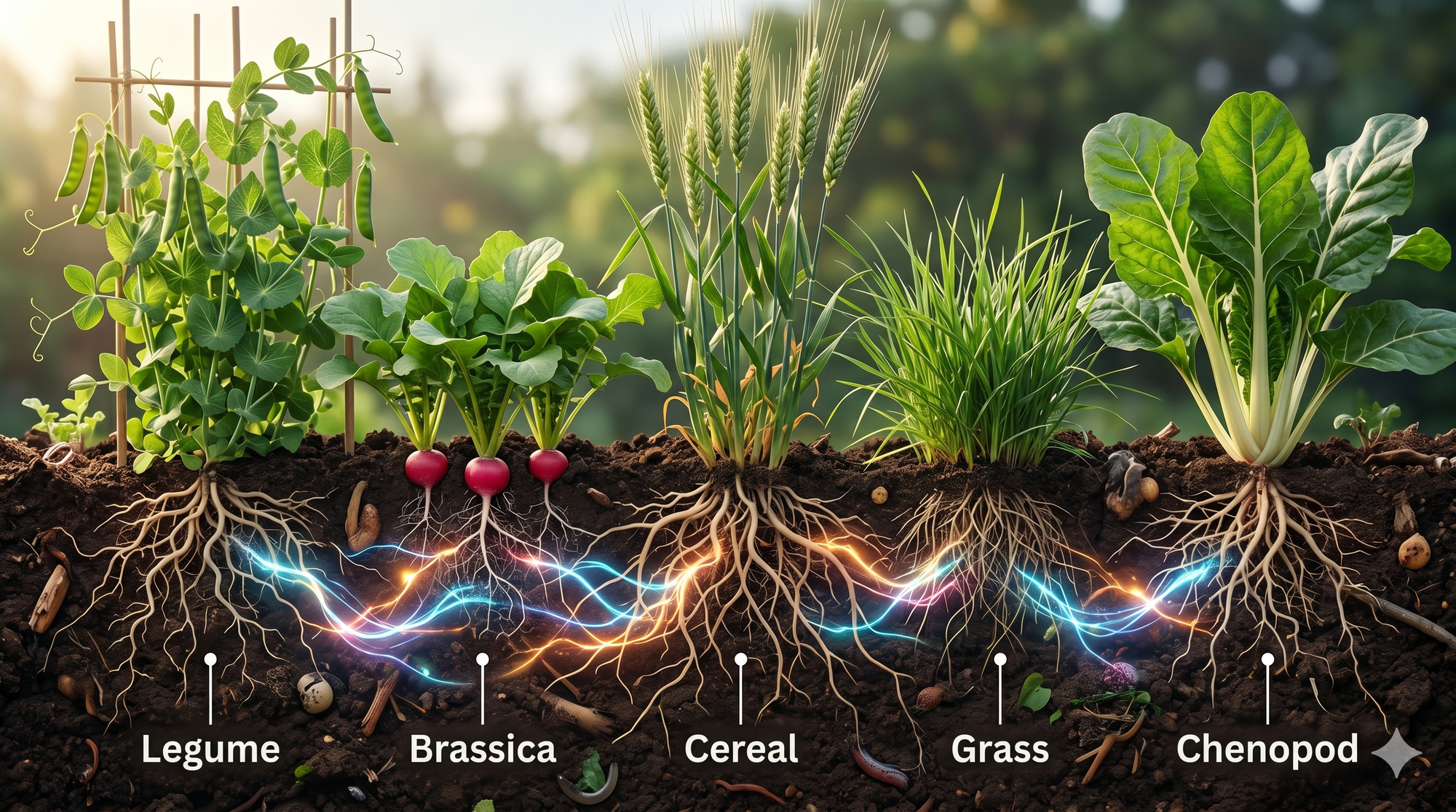
I then highlighted key Nutrition Gardening principles. If you manage soil pH, minimise digging, adopt ground covers, embrace compost, foliar spray, strengthen cell walls and introduce biological diversity, you will be better equipped to fall in love with food production and to make your garden your ultimate wellness tool.
Thanks for being part of my Nutrition Matters blog.
Until next time, I wish you health, happiness, and truly fulfilling home food production.
Cheers
Graeme
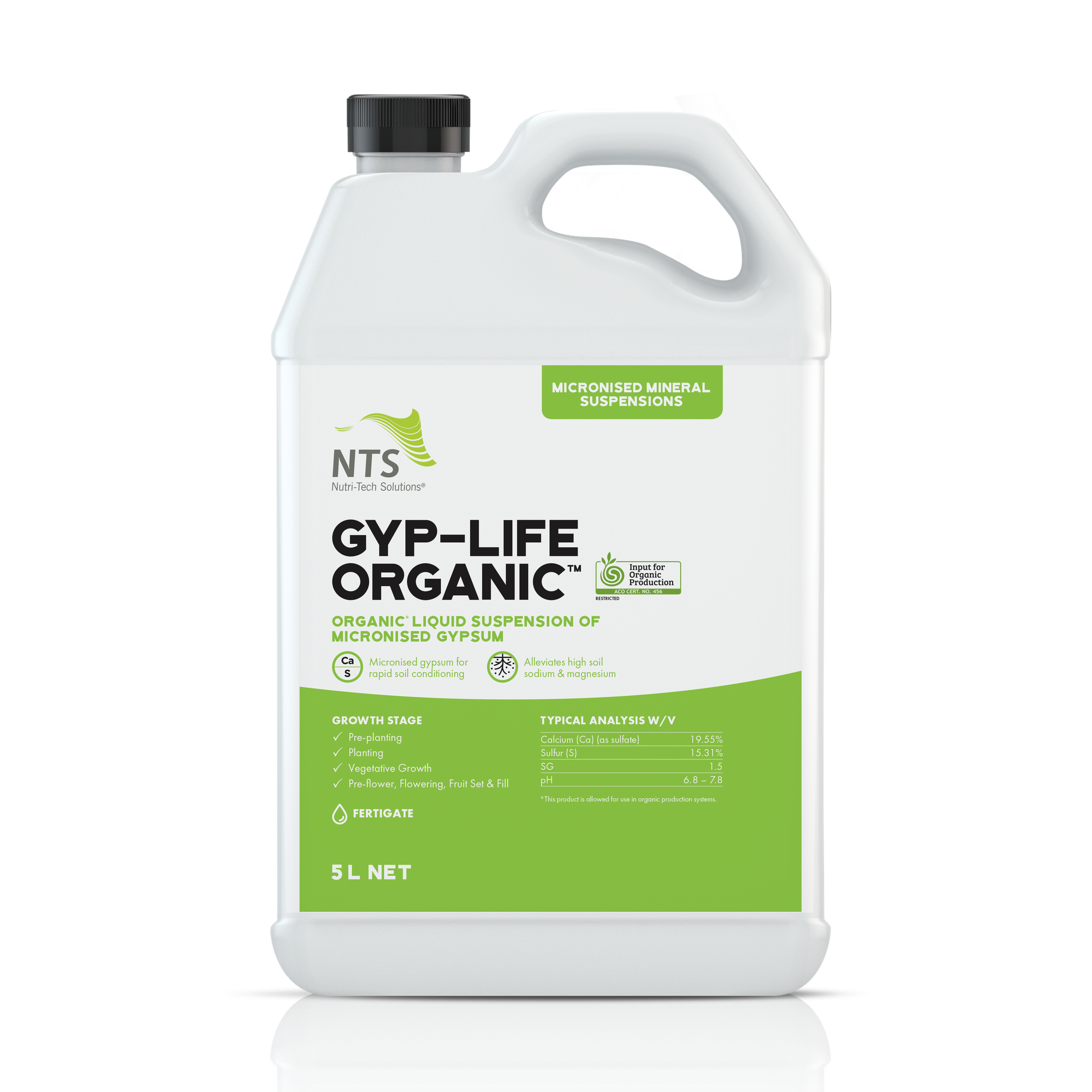
Gyp-Life Organic™
The introduction of the “clay buster” in liquid form allows ease of application and more precision in placement.
A high-analysis source of micronised natural gypsum combined in a free-flowing suspension with fulvic acid. The soil conditioning capacity of gypsum is dramatically enhanced by the large increase in surface area associated with micronisation.
Growth Stage
- Pre-planting
- Planting
- Vegetative Growth
- Pre-flower, Flowering, Fruit Set & Fill
Key Performance
- Help manage high sodium & magnesium soils
- Micronisation amplifies the conditioning & clay busting properties of gypsum
- Includes fulvic acid for enhanced crop response
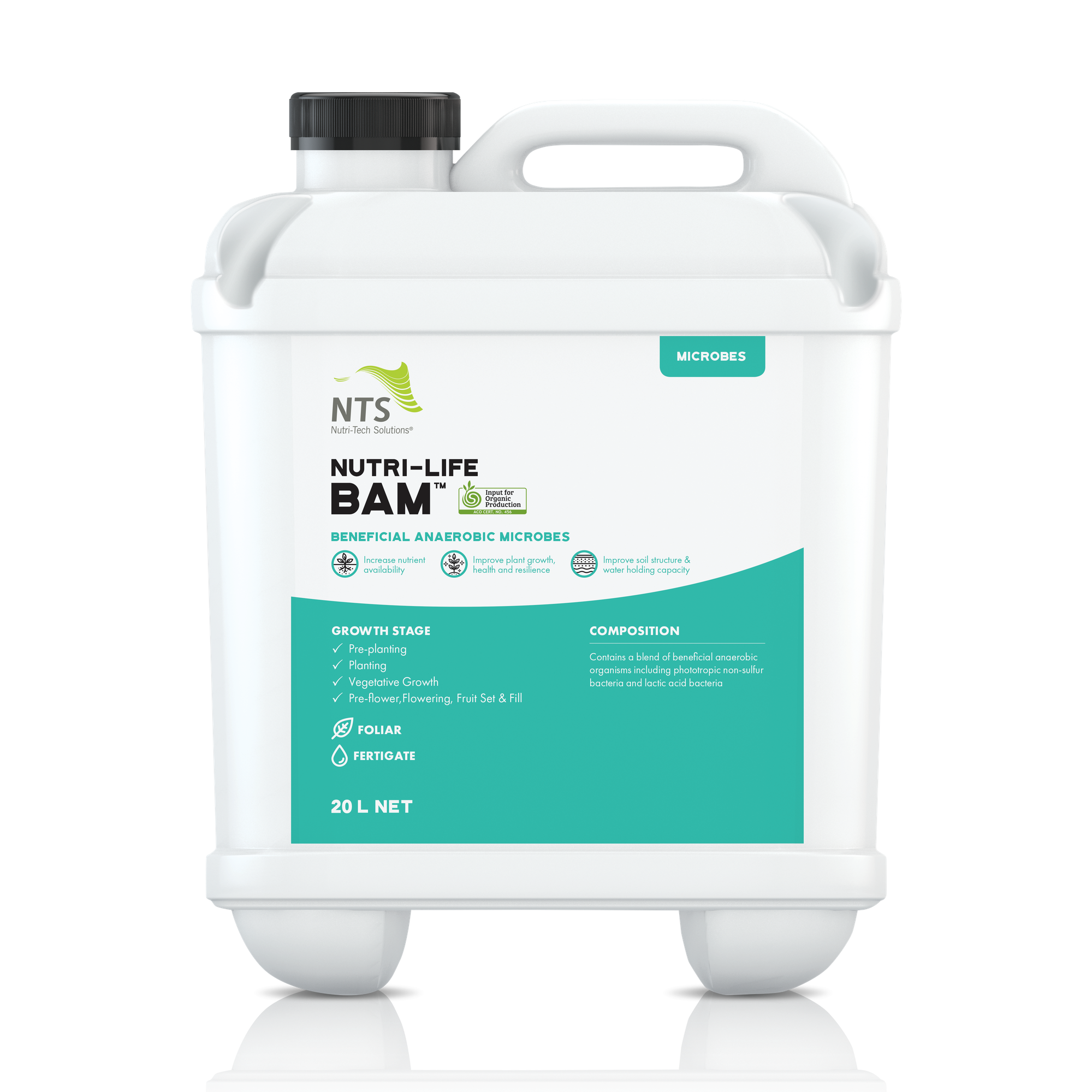
Nutri-Life BAM™
Multipurpose blend of anaerobic species for soil, compost and plant health.
This breakthrough probiotic blend contains lactic acid bacteria and purple non-sulphur bacteria, plus beneficial yeasts and microbial exudates.
Click here for Seed Treatment Instructions with Nutri-Life BAM™.
Key Performance
- Improve plant growth, health & resilience
- Increase nutrient availability
- Improve soil structure & water holding capacity
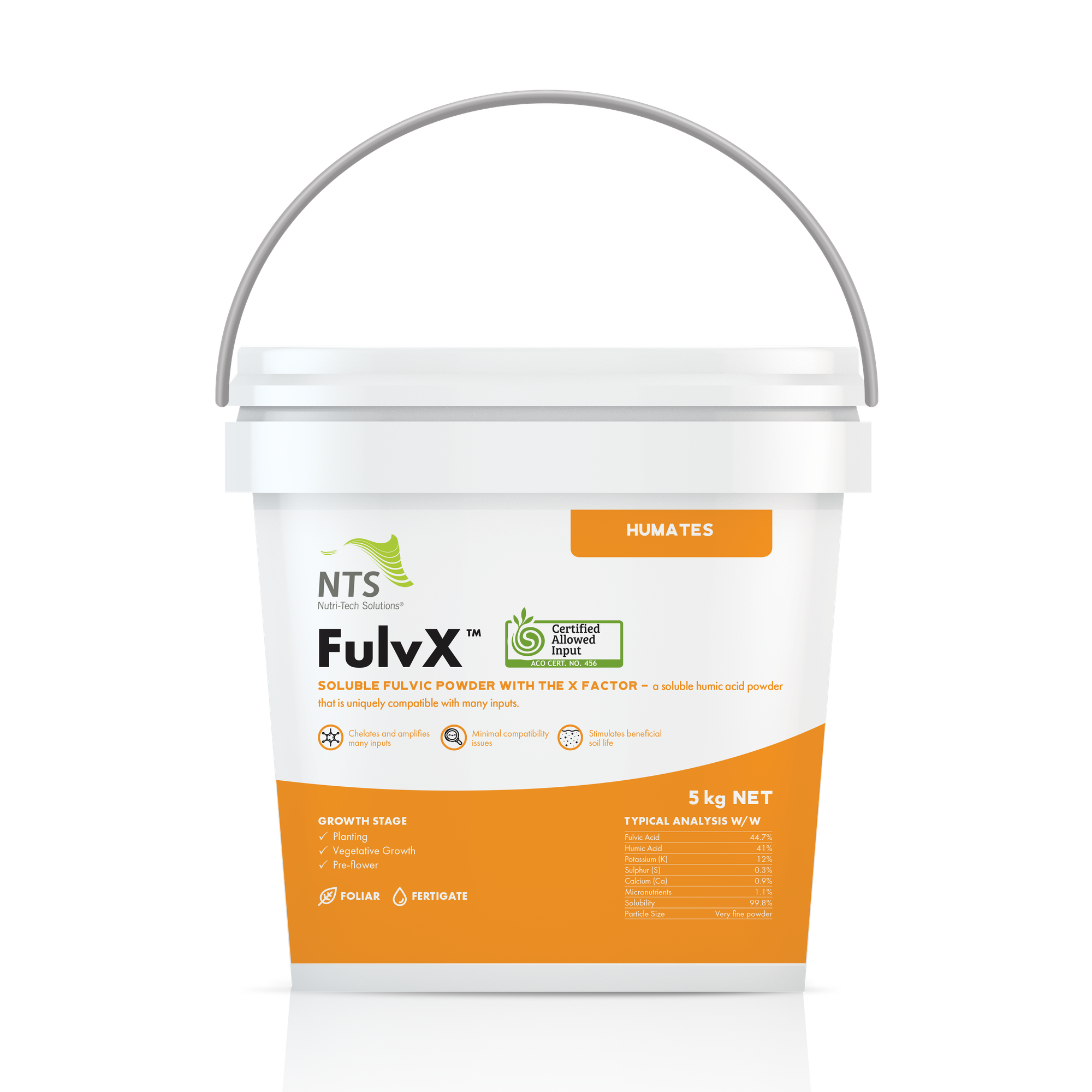
NTS FulvX™ Powder
Soluble Fulvic Powder (from leonardite) with the X factor - a highly soluble humic acid powder that is uniquely compatible with most inputs.
It is highly soluble, ACO-approved and completely versatile. It can be used with phosphate-, sulphate-, or nitrate-based inputs, in liquid injection, or as foliar—the perfect additive for fertigation to stabilise and amplify almost all fertiliser inputs.
NTS FulvX™ Powder delivers a wide range of benefits,
- Chelation - Both humic acid and fulvic acid increase nutrient uptake via cell sensitisation.
- Hormone-like stimulation - Both humates are well documented to deliver a pronounced plant growth response that closely resembles the three key phytohormones driving many plant processes: auxins, cytokinins and gibberellins.
- Increased P availability - Humic acid and fulvic acid have both been shown to increase the release of phosphate from locked-up sources.
- Abiotic stress tolerance - In a warming world where environmental extremes abound, there is no shortage of plant stress, and anything that can help counter this stress becomes an essential tool.
To order or learn more, call NTS on (07) 5472 9900 or email sales@nutri-tech.com.au.
Certificate in Nutrition Farming
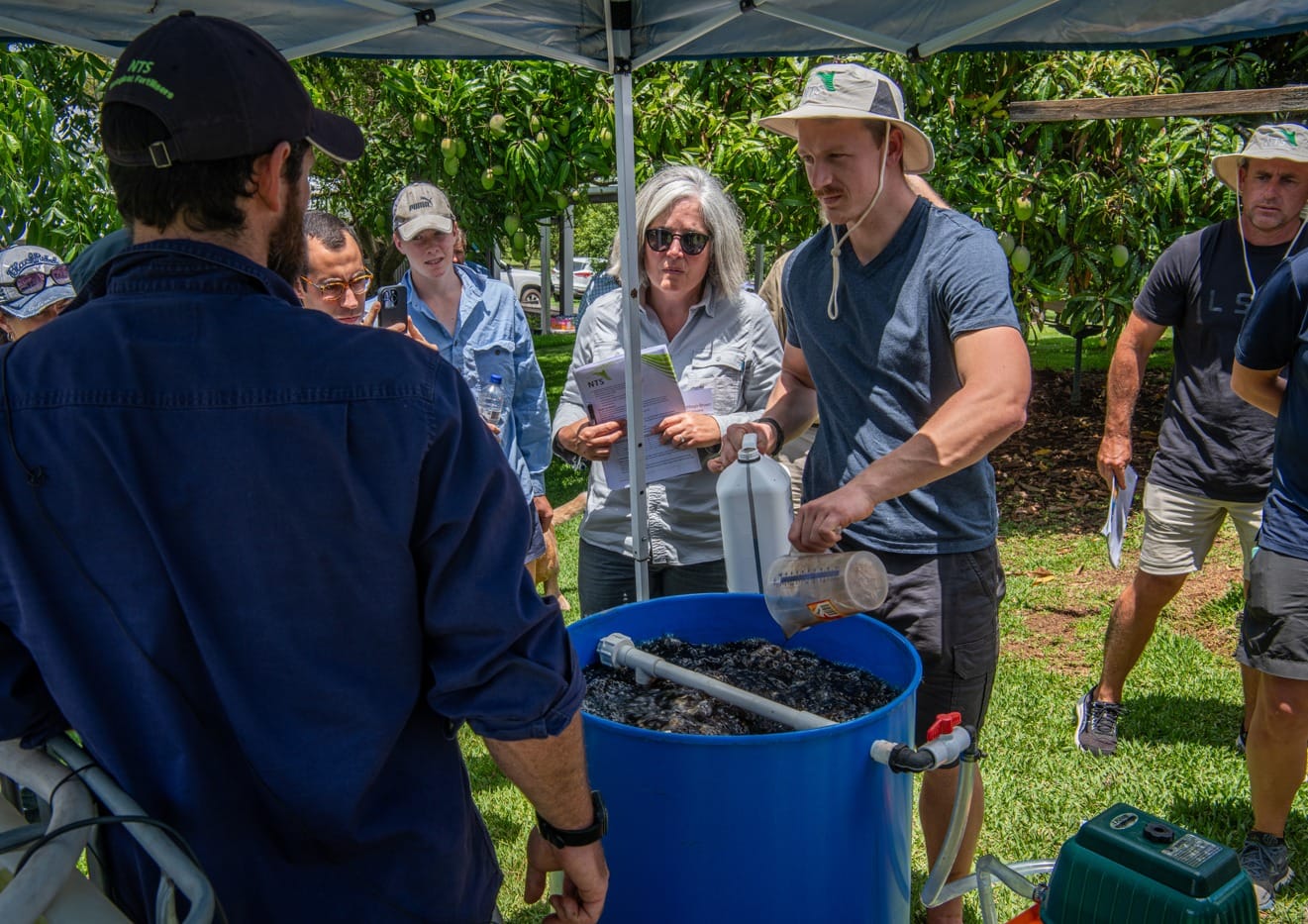
Our next iconic, five-day Certificate in Nutrition Farming® course is scheduled for Monday, 13th - 17th July 2026.
Did you know that government subsidies are available for farmers via the Farm Household Allowance? Check it out here... https://www.servicesaustralia.gov.au/farm-household-allowance
Our last course was attended by growers and consultants from six countries. It was a wonderful learning opportunity where attendees enjoyed a wealth of education and inspiration from both our presenters and their fellow attendees. We only accept 40 bookings for these courses, so please register if you would like to attend.