🌱Fast Tracking Fertility with BAM Compost 🦠

By Graeme Sait
Composting can be a wonderfully productive practice. A good compost can trigger carbon building in your soil, while regenerating the beneficial workforce that delivers minerals, protects from disease, and harvests free nitrogen from the atmosphere. The key factor here is identifying what makes a compost “good”.
I have become a fan of a little-understood protocol called anaerobic composting, and after this sharing, I’m hoping that some of you might be similarly enthused.
Let’s begin by discussing the dynamics of anaerobic composting, and let’s look at some studies confirming the multiple benefits.
First up, it’s important that we understand one thing. We are talking about “fermentation” here rather than aerobic decomposition. Fermentation must be differentiated from “putrefaction”, which refers to an anaerobic rotting process.
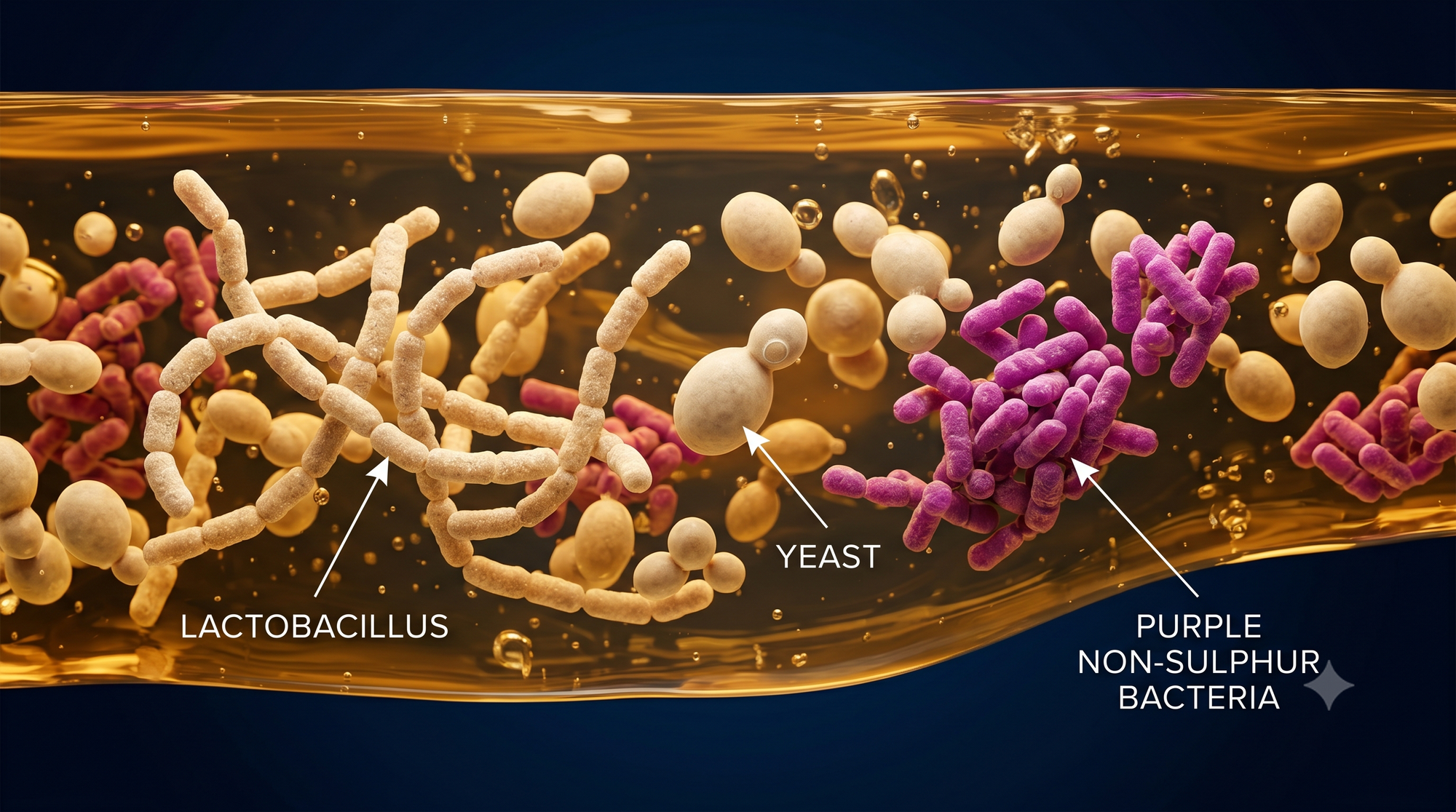
Beneficial Anaerobes like our product, BAM (Beneficial Anaerobic Microbes), consist of multiple strains of lactobacillus, yeasts and photosynthetic bacteria. They also contain good levels of fermenting fungi and actinomycetes.
It’s important to realise that lactofermentation is not a new concept. It is how we make silage to improve and preserve the nutrient value of fodder. Lactofermented food is also favoured by the longest living cultures, and this relates to enhanced nutritional benefits when that enzyme-rich food has been predigested. This living food also provides multiple probiotic benefits.
Key Roles of the Anaerobes
There are many papers quantifying the value of anaerobic compost, and a good summary can be found in a Malaysian review called “Application of Effective Microorganism (EM) in Food Waste Composting: A review” by Muttalib, Ismail and Praveena.
Lactobacilli are found in every soil, in every digestive tract and on all plant surfaces. Professor Terua Higa, the founder of the Japanese product, EM (Effective Microbes), simply asked the question, “Why are these organisms found everywhere, in large numbers, when nothing in nature is accidental?”
He found that they perform very similar roles to aerobic beneficials. There are those that digest carbon, others that fix nitrogen and many that enhance mineral uptake. The lactic acid they produce can also be toxic to pathogens.
The yeast component produces multiple amino acids and other bioactive compounds that feed and stimulate other soil organisms, and the photosynthetic bacteria, called Purple non-sulphur bacteria, are really quite special.
A recent review of research into these organisms might help you better understand their potential. The paper is entitled “Purple non-sulphur bacteria and plant production: benefits for fertilisation, stress resistance and the environment”, and it is authored by Sakarika.
You will get excited when you see the functions of these photosynthesising organisms. They can fix nitrogen, solubilise phosphate, and they can remediate heavy metals. They can sequester carbon and lower methane emissions. These versatile creatures can also produce multiple plant growth-promoting substances, along with carotenoids and siderophores that provide pest resistance. Purple non-sulphur bacteria also produce copious quantities of vitamins, including plant growth stimulants like B2, B6 and B12, along with vitamins C, E and D. These vitamins are now understood to boost resilience in a world with increasing levels of biotic and abiotic stress. In fact, several studies have demonstrated an increase in stress resistance in multiple crops. In short, they tick all the boxes in terms of better adapting to the climate change challenge.
The fermenting fungi and actinomycetes found in both EM and BAM can obviously help with the breakdown of more fibrous organic matter during the composting process, and, in this context, they are also a key to the successful use of BAM to speed stubble breakdown.
Comparing anaerobic vs aerobic composting
Historically, some of the soil-life gurus have painted all anaerobes as bad guys, and this is nonsense. There are certainly negative pathogens that thrive in compacted soils and can compromise plant health. However, there is also an army of anaerobic good guys that have much to offer. This is the reason that BAM has become our largest-selling microbial product in over 50 countries.
Let’s look at the comparison between aerobic and anaerobic compost.
Typically, in an aerobic composting scenario, one tonne of raw material will produce around 650 kgs of end compost.
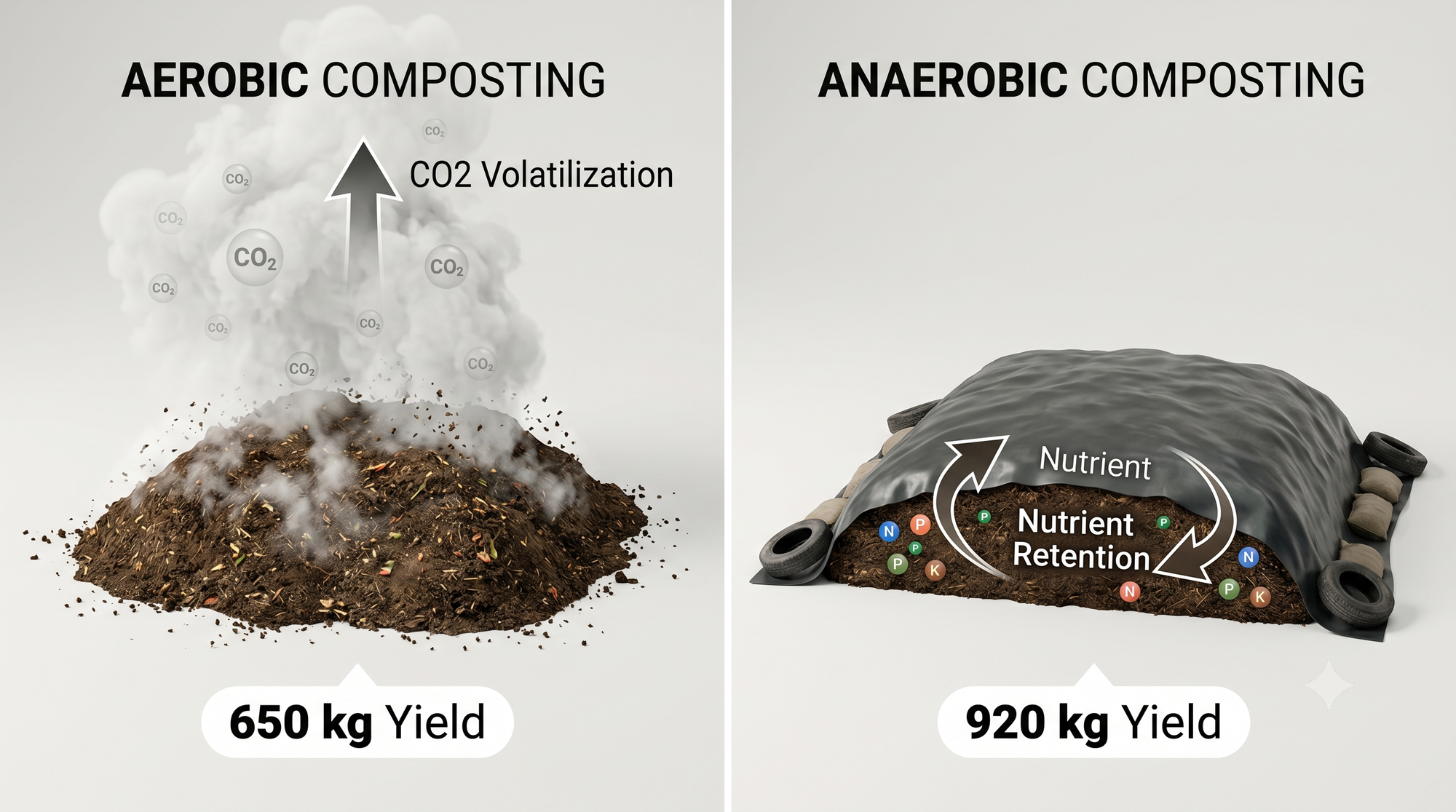
An anaerobic compost involving EM, BAM or a DIY lactobacillus tea can transform that same one tonne of organic matter into 920 kgs of compost.
That’s a whopping 40% increase in humus-building efficiency. How is this possible? Well, much of the extra weight loss linked to an actively managed, aerated compost relates to a loss of precious carbon as CO2. Carbon oxidises on contact with oxygen, and constant compost turning produces a flurry of CO2 that thickens the greenhouse blanket, traps the heat, and changes our world.
Aerobic composts also release nitrous oxide and methane, but no one talks about this undesirable contribution. When you open a compost, you also dry it out more rapidly, and use much more precious water. The leachates from this repeated drenching include leachable minerals like nitrate nitrogen, sulphur, potassium and boron. Anaerobic composts are covered and sealed, so these negatives are neutralised.
Five Additional Benefits of BAM Composting
Aside from the efficiency issues we have just discussed, there are some other unique gains from anaerobic composting. These include the following:
1) Countering heavy metals - beneficial anaerobes can help counter heavy metal contamination. Research demonstrates that these anaerobes can actually utilise heavy metals in their metabolism, hence removing or transforming these toxins to reduce their impact on plant growth and/or animal and human health. This phenomenon can reduce heavy metals in the actual compost or in the soil following application. In 2013, Saad et al reported substantially lower concentrations of heavy metals in compost produced with EM, compared to conventional aerobic composting.
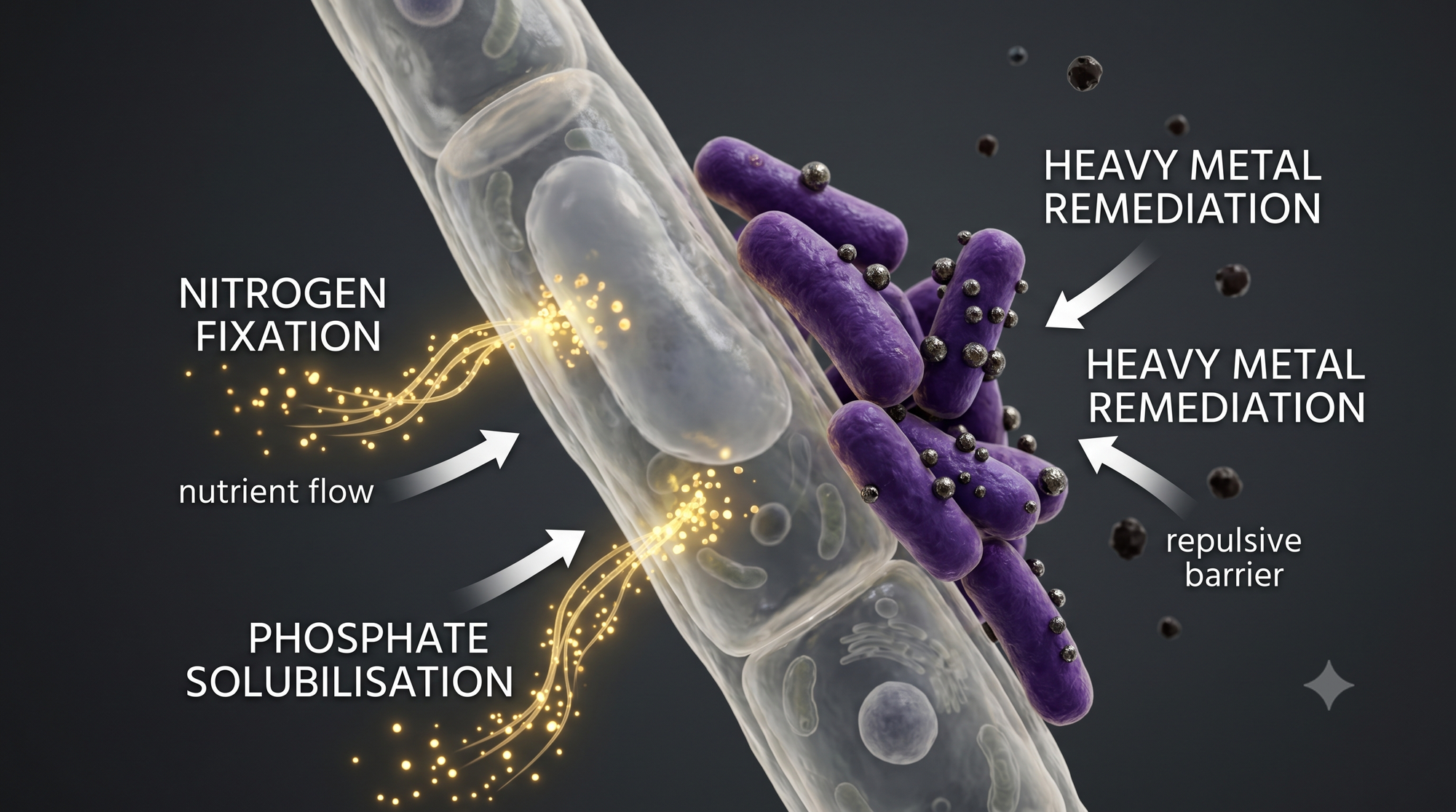
In 2014, Dheeba et al showed that EM compost applied to a chromium-contaminated soil resulted in crops with greatly reduced concentration of chromium accumulation in roots and shoots. The authors of that study concluded that EM can boost crop resilience against heavy metals.
2) Fast tracking your composting - Composting with beneficial anaerobes is a much more rapid process, with less energy and moisture requirements. There is no diesel needed for the compost turner, and the pile rarely needs extra water. Depending upon the carbon-to-nitrogen ratio, the BAM compost is typically complete within 8 weeks. In a high nitrogen situation, involving manure or food waste, this timeframe can be reduced to as little as 6 weeks. This compares to 12 weeks for actively managed aerated compost and 24 weeks for static pile composting.
3) More humus and more nutrition - this form of anaerobic composting results in a more nutrient-dense and more carbon-rich end product. Part of this story relates to less leaching and volatilisation of minerals like sulphur and nitrogen. As previously mentioned, the increased carbon content relates to CO2 losses associated with the constant turning of windrow composts.
However, something else is happening here. A 2013 study by Saravanan et al showed that EM compost contained more nutrients. There was substantially more nitrogen and phosphorus, but there was 55% more potassium in the EM compost. That’s no small benefit, considering the escalating price of NPK.
4) Greater microbial activity - this compost can also contain more soil life recruits, and this can be measured on a microbiometer by monitoring total microbial biomass. There are also several studies confirming greater enzyme production associated with this increased action of microbes. This microbial workforce often outperforms aerobic compost in field trials, with increased plant health and yields.
5) Low cost, low energy, smell-free - Finally, composting with beneficial anaerobes involves much less time and less equipment. It is a low-energy option, and there is no problem with nuisance smells during composting.
How to make a BAM compost
Let’s now look at how to make your own BAM compost. It is the simplest, least labour-intensive compost you will ever make on a farm. Here’s how you do it:
All composting involves a layer cake. Here, you create 30 cm layers of carbon and nitrogen. i.e., wood mulch (carbon) and manure (nitrogen).
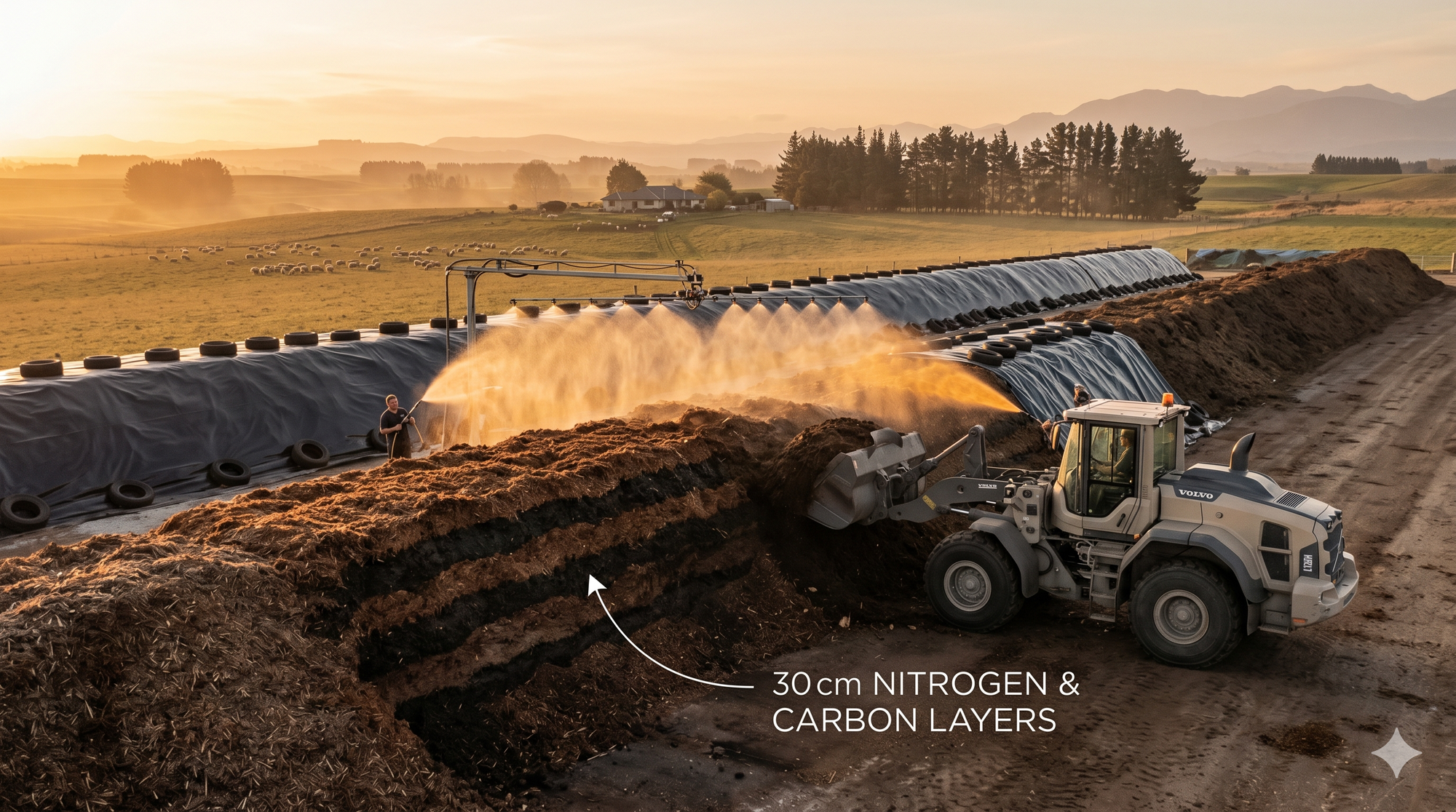
Brewed BAM is applied to each layer at the rate of 5 litres per cubic meter of raw materials.
Next, you mix up your fully inoculated layer cake with a bobcat, front loader or tractor bucket, before covering it with a large sheet of plastic or a silage cover.
Then, you batten down this cover with tyres or timber to keep it relatively airtight.
8 weeks later, you remove the cover to reveal delicious, super productive, black compost.
Wishing you all a truly fulfilling compost-making experience
Happy Nutrition Farming.
Warm regards
Graeme
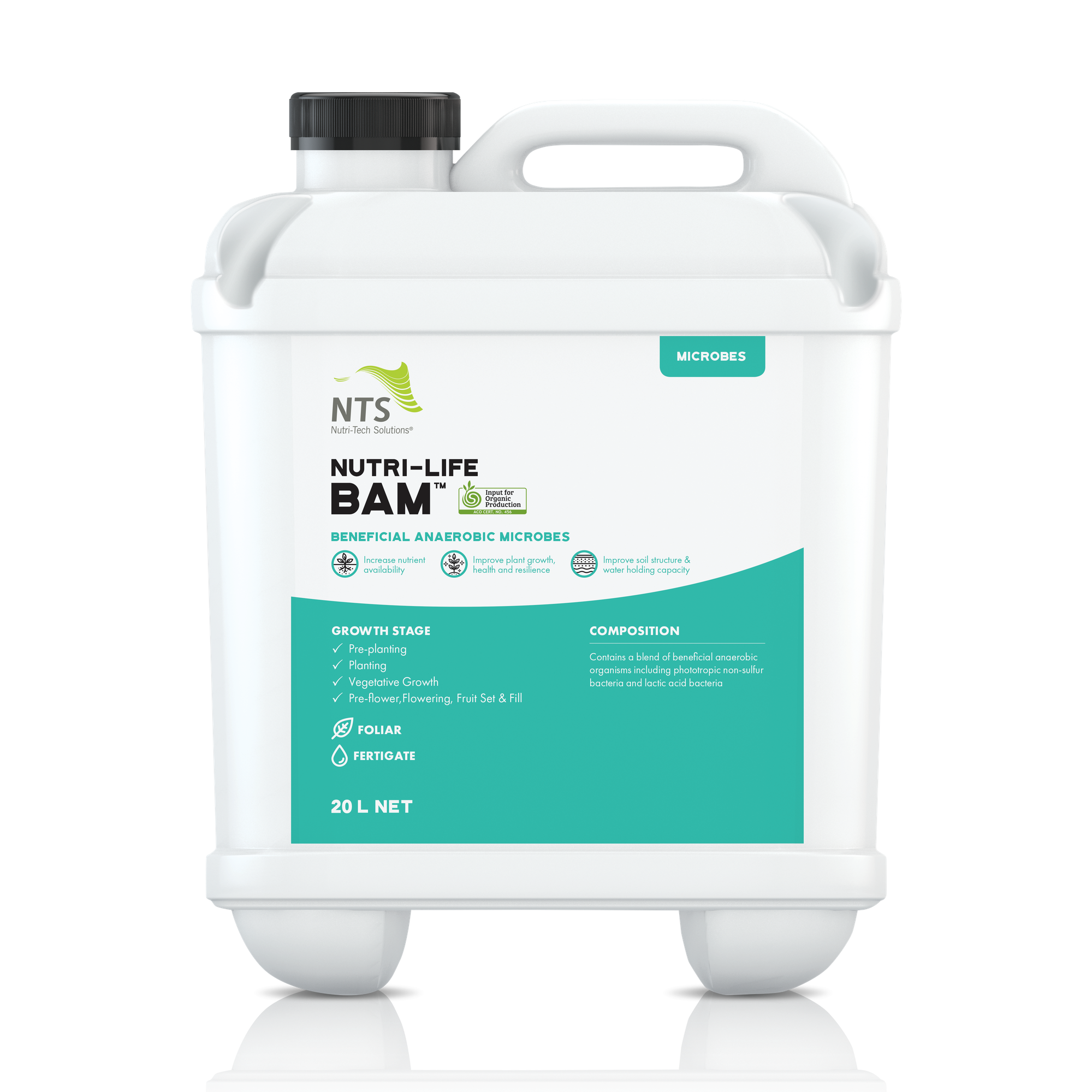
Nutri-Life BAM™
Multipurpose blend of anaerobic species for soil, compost and plant health.
This breakthrough probiotic blend contains lactic acid bacteria and purple non-sulphur bacteria, plus beneficial yeasts and microbial exudates.
Click here for Seed Treatment Instructions with Nutri-Life BAM™.
Key Performance
- Improve plant growth, health & resilience
- Increase nutrient availability
- Improve soil structure & water holding capacity
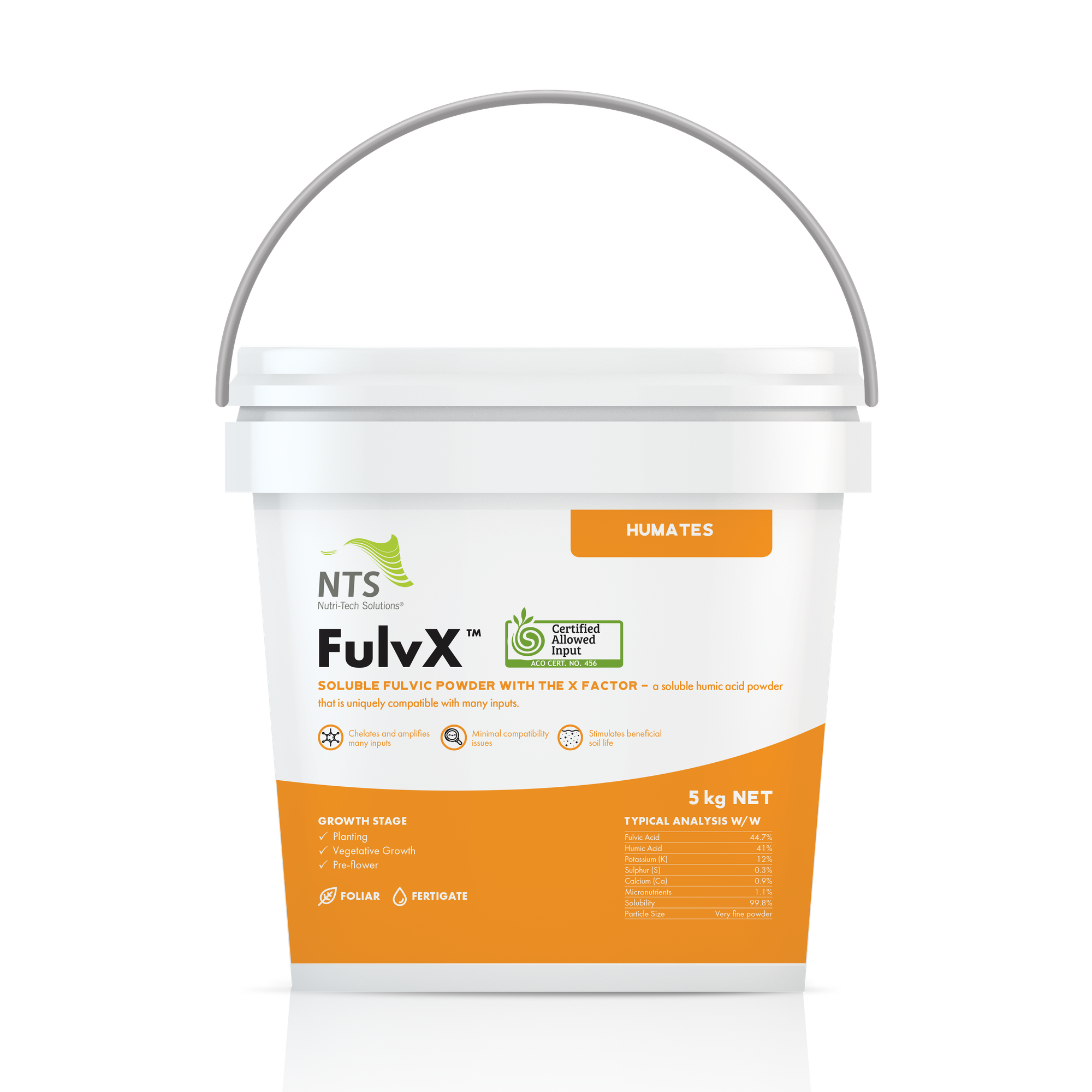
NTS FulvX™ Powder
Soluble Fulvic Powder (from leonardite) with the X factor - a highly soluble humic acid powder that is uniquely compatible with most inputs.
It is highly soluble, ACO-approved and completely versatile. It can be used with phosphate-, sulphate-, or nitrate-based inputs, in liquid injection, or as foliar—the perfect additive for fertigation to stabilise and amplify almost all fertiliser inputs.
NTS FulvX™ Powder delivers a wide range of benefits,
- Chelation - Both humic acid and fulvic acid increase nutrient uptake via cell sensitisation.
- Hormone-like stimulation - Both humates are well documented to deliver a pronounced plant growth response that closely resembles the three key phytohormones driving many plant processes: auxins, cytokinins and gibberellins.
- Increased P availability - Humic acid and fulvic acid have both been shown to increase the release of phosphate from locked-up sources.
- Abiotic stress tolerance - In a warming world where environmental extremes abound, there is no shortage of plant stress, and anything that can help counter this stress becomes an essential tool.
To order or learn more, call NTS on (07) 5472 9900 or email sales@nutri-tech.com.au.
Certificate in Nutrition Farming
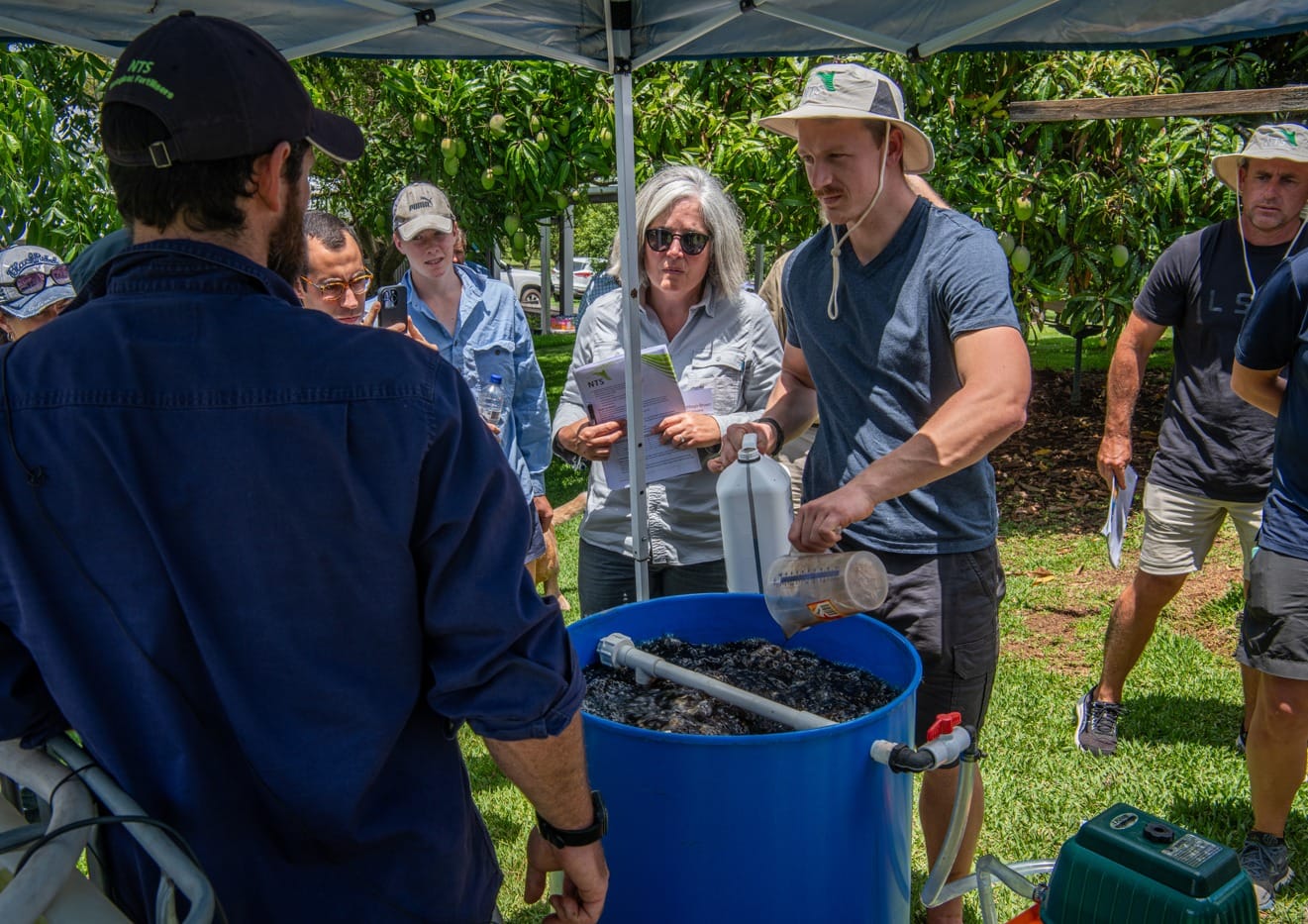
Our next iconic, five-day Certificate in Nutrition Farming® course is scheduled for Monday, 13th - 17th July 2026.
Did you know that government subsidies are available for farmers via the Farm Household Allowance? Check it out here... https://www.servicesaustralia.gov.au/farm-household-allowance
Our last course was attended by growers and consultants from six countries. It was a wonderful learning opportunity where attendees enjoyed a wealth of education and inspiration from both our presenters and their fellow attendees. We only accept 40 bookings for these courses, so please register if you would like to attend.