Calcium, the Master Mineral - Introducing An Exciting New Calcium Alternative 🌱

By Graeme Sait
Soluble calcium is an integral component of a productive nutrition program, but the input choices are notoriously limited. There is calcium nitrate and calcium nitrate. We have long been seeking a viable alternative, and I’m convinced that we have found it. “What’s wrong with calcium nitrate?” , I hear you protest. Well, there are various reasons for the unsuitability of calcium nitrate, which I will soon discuss. However, let’s first take a brief look at why I call calcium the “master mineral”.
In the soil, calcium flocculates (opens the soil) for all-important gas exchange, infiltration and root penetration. This improves friability and enhances drainage. A soil that can breathe more easily is a soil where oxygen-dependent beneficial microbes can thrive.
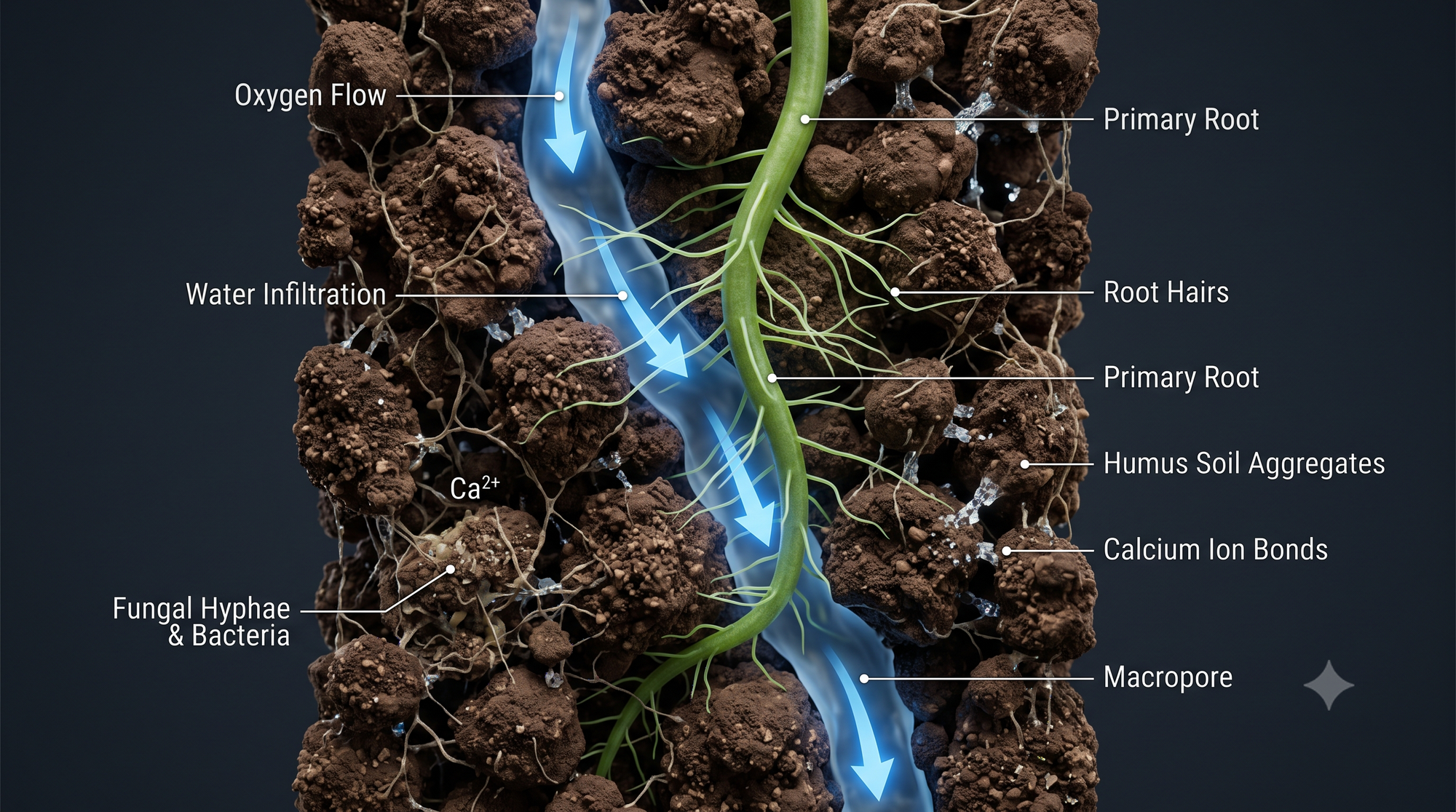
Calcium helps correct soil acidity, which can otherwise seriously reduce nutrient availability, and it is a key player in balancing cation exchange. i.e., ideal soil calcium levels promote better uptake of magnesium and potassium.
In the plant, the master mineral is perhaps even more important, due to its role in plant structure and the regulation of multiple functions. Let’s list some of these:
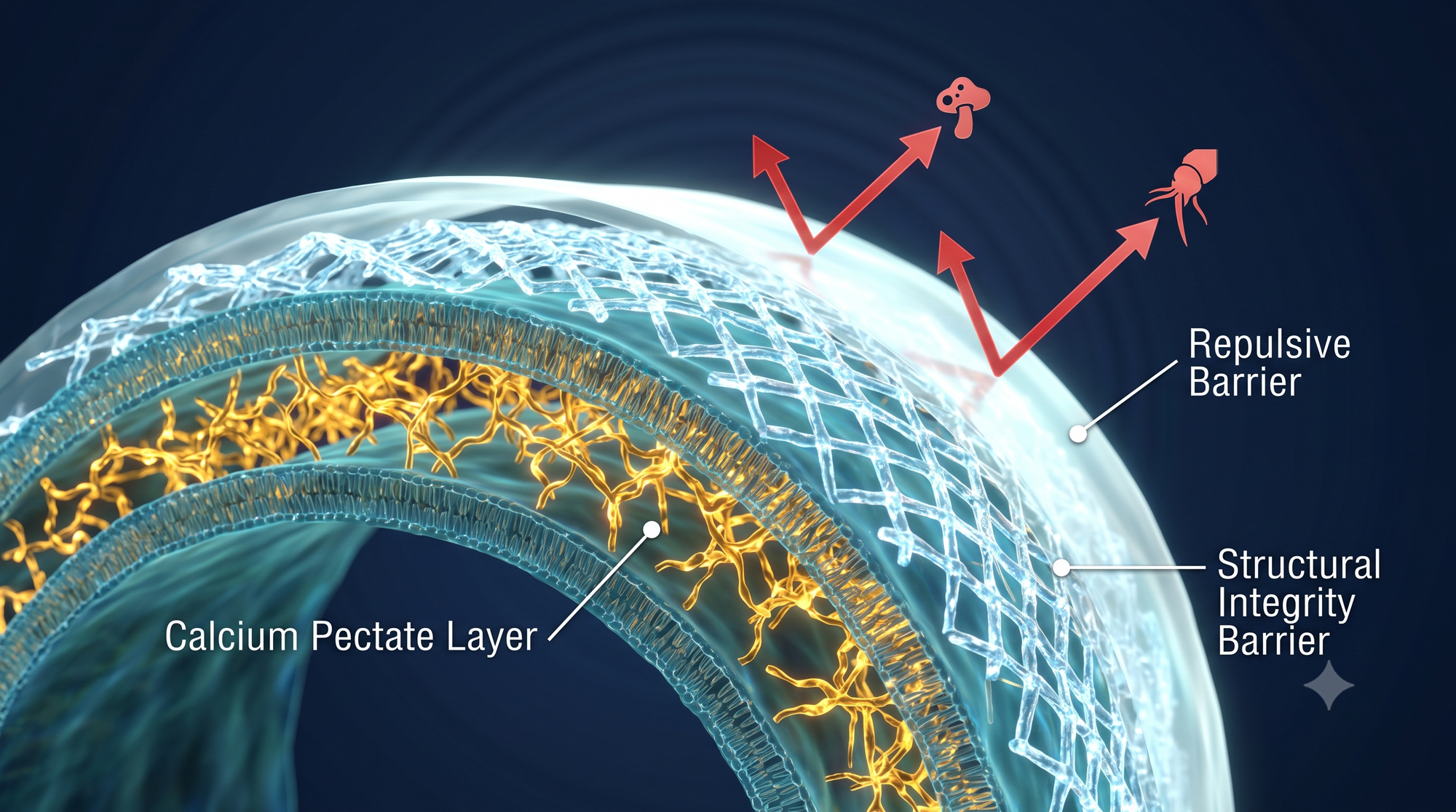
1) Along with silica, calcium governs cell wall strength and associated pest resistance. Calcium also partners with boron to form calcium pectate, the armour-like protection that helps the plant shield itself from insects and disease.
2) Calcium drives vibrant growth, as it is responsible for the cell division that produces new roots, shoots, flowers and fruit.
3) Calcium enhances resilience through activating multiple defence pathways.
4) This mineral enhances fruit quality via increased shelf-life. It also dramatically reduces problems with conditions like bitter pit in apples and blossom-end rot in tomatoes and capsicum.
5) Calcium increases nutrient utilisation through improved membrane transport and enzyme function. That’s one of the reasons we call calcium, “the trucker of all minerals”.
Perhaps you now better understand my admiration of “the master mineral”. There is simply no other mineral that has more impact on your profit potential.
What’s wrong with calcium nitrate?
Calcium nitrate is one of the most popular inputs in intensive horticulture. It is fertigated and foliar-sprayed on the vast majority of fruit and vegetable crops, and it is the only source of calcium in hydroponics.
One problem with calcium nitrate relates to the misuse of this input at critical stages during the crop cycle. The second issue concerns the competing functions of this duo. It turns out that calcium nitrate is a prime example of how we can inadvertently give with one hand and take with the other. I had best explain the latter first….
Why is it that we rarely see ideal levels of calcium in tissue and sap tests, despite constant drenching with calcium nitrate? We need to look at what impacts the uptake of this key mineral. Excesses of magnesium, potassium and ammonium nitrogen directly antagonise calcium uptake, but nitrate nitrogen is more stealthy. i.e., the impact on calcium is less direct.
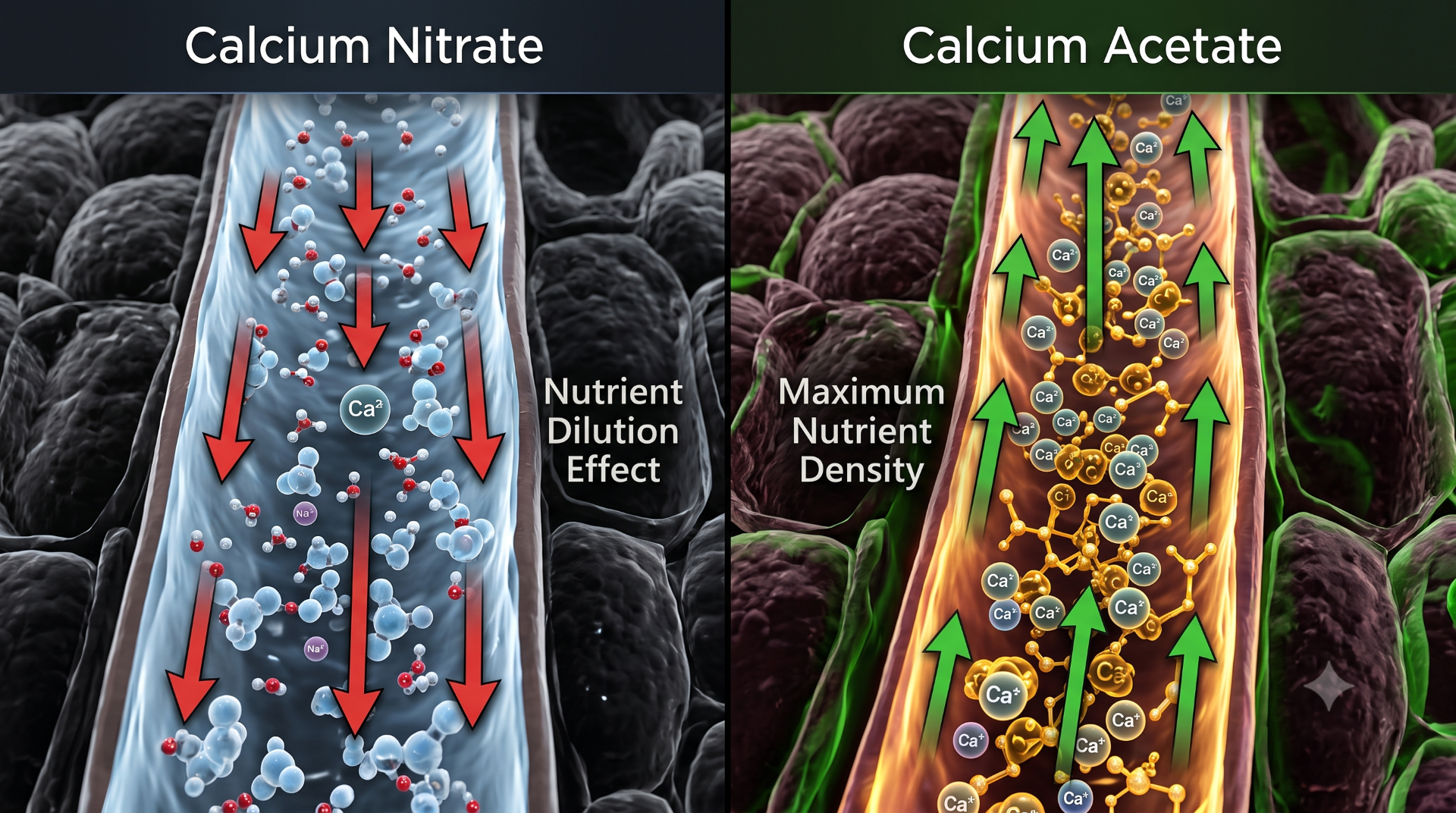
Nitrate nitrogen is uptaken with water, which has a nutrient dilution effect. This can negatively affect nutrient density in the plant, but it has a particular impact on a super-abundant mineral like calcium. That’s why it is so hard to have high nitrates and high calcium in the sample plant. Brix levels will always drop when nitrates are high, and you will often see that low calcium is the key culprit. You can sometimes actually watch that line in the refractometer sharpen up within a single day, following a dose of nitrate N.
There is a double whammy here because nitrate nitrogen is a strongly vegetative mineral. Vegetative growth needs more calcium for cell division, and the ratio of these two minerals in calcium nitrate does not support this nitrate-induced calcium hunger.
There is also a third issue. Both calcium and nitrate nitrogen are considered vegetative minerals, so this formulation can drive growth, but it is inappropriate after flowering. You will still need calcium for cell division of fruit and for crop quality, at that time, but it should never be supplied as calcium nitrate.
“But cal nitrate is all there is. What choice do I have?” I hear you ask.. Well, I’m a huge fan of calcium acetate, and I’ll tell you why.
Calcium nitrate vs calcium acetate.
Let’s begin by explaining how calcium acetate is created. This high analysis, calcium source is produced by reacting acetic acid (vinegar) with micronised limestone (calcium carbonate). You can actually create your own liquid calcium acetate at home, by finely crushing egg shell (calcium carbonate) in a coffee grinder and then adding vinegar. The liquid produced, when the calcium dissolves, is a wonderful natural source of plant-available calcium for the home garden.
Let’s look at a comparison of calcium acetate vs calcium nitrate.
We will begin by comparing the calcium content. Calcium nitrate contains a little over 18% calcium compared to over 22% calcium in calcium acetate .
The pH of calcium acetate is higher than that of the more acidic calcium nitrate, and this reduces burn potential.
The salt index and associated leaf scorch risk are lower in calcium acetate, so you can safely apply higher rates of calcium per application.
From a Nutrition Farming perspective, we are always seeking inputs with biological compatibility. i.e., inputs that stimulate, rather than depress, microbial activity. Acetic acid is a carbon source and a naturally occurring acid that stimulates soil life. The same can not be claimed for the dehydrating effect of high salt, nitrate N.
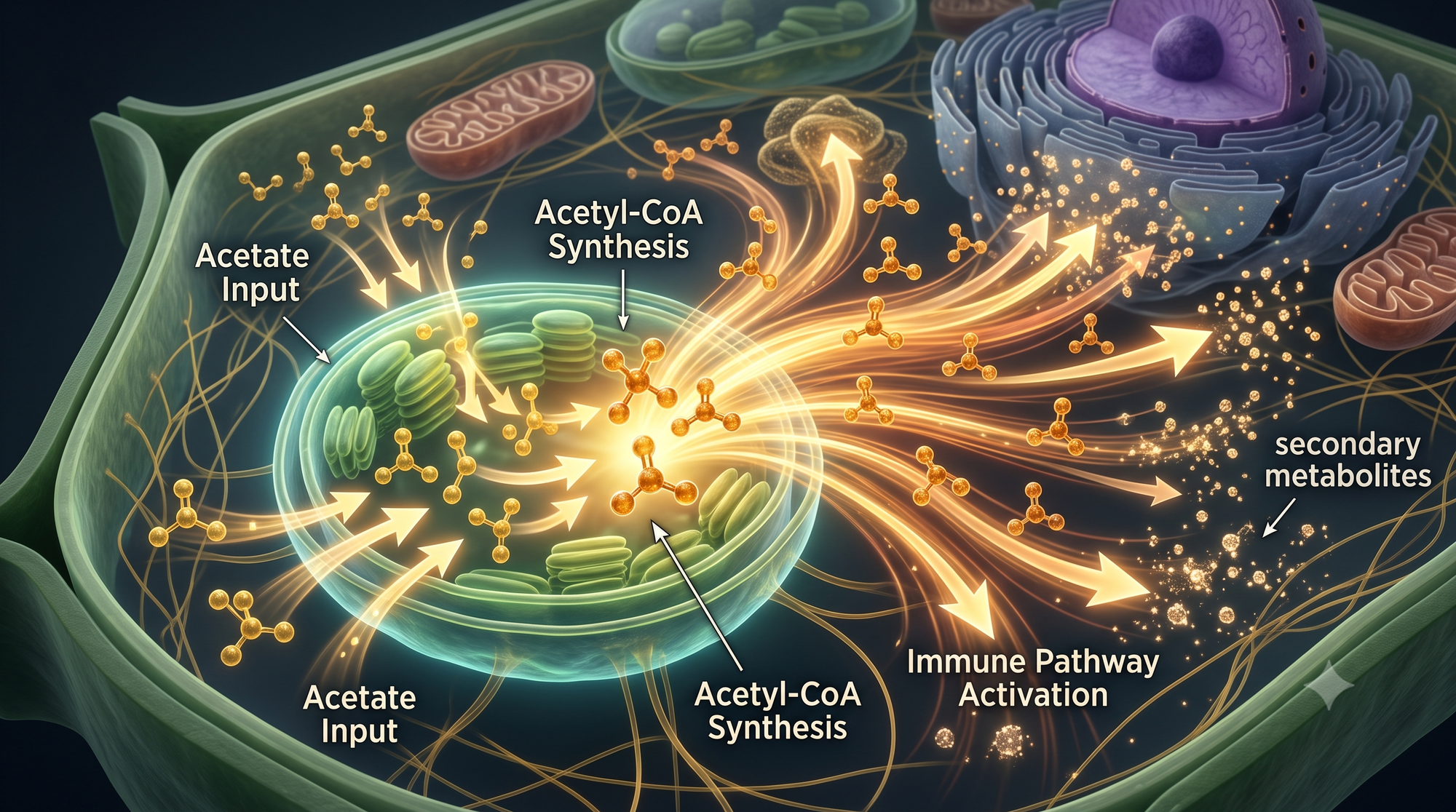
The biggest plus for calcium acetate is the fact that it is free from nitrate nitrogen. Most crops require calcium late in the crop, but they do not need nitrate nitrogen at that point. Calcium-hungry crops like grapes, apples, tomatoes, capsicum, potatoes, strawberries and citrus are screaming out for calcium during fruit formation and ripening, but they never need more nitrate N at that critical stage in the cycle.
Nitrate nitrogen during the reproductive stage can soften fruit, reduce shelf-life and increase disease and insect susceptibility.
In contrast, the acetic acid in calcium acetate becomes an asset rather than a liability. Acetate is rapidly converted into a substance called acetyl-CoA, which is a key player in plant metabolism. The development of secondary metabolites that drive defence is strongly linked to this substance.
Calcium nitrate is notoriously incompatible with key regenerative inputs like humates and kelp powder. In contrast, calcium acetate is highly compatible with these inputs, so DIY chelation is problem-free.
Introducing NTS Calcium Acetate.
I’m so excited to introduce this latest addition to the stable of NTS problem solvers. I’m personally happy to now have ready access to this invaluable input for my own farms. Apples need more calcium, more often, than I have previously realised. I can now provide my orchard with the best form of calcium, via fertigation and foliar, throughout the season.
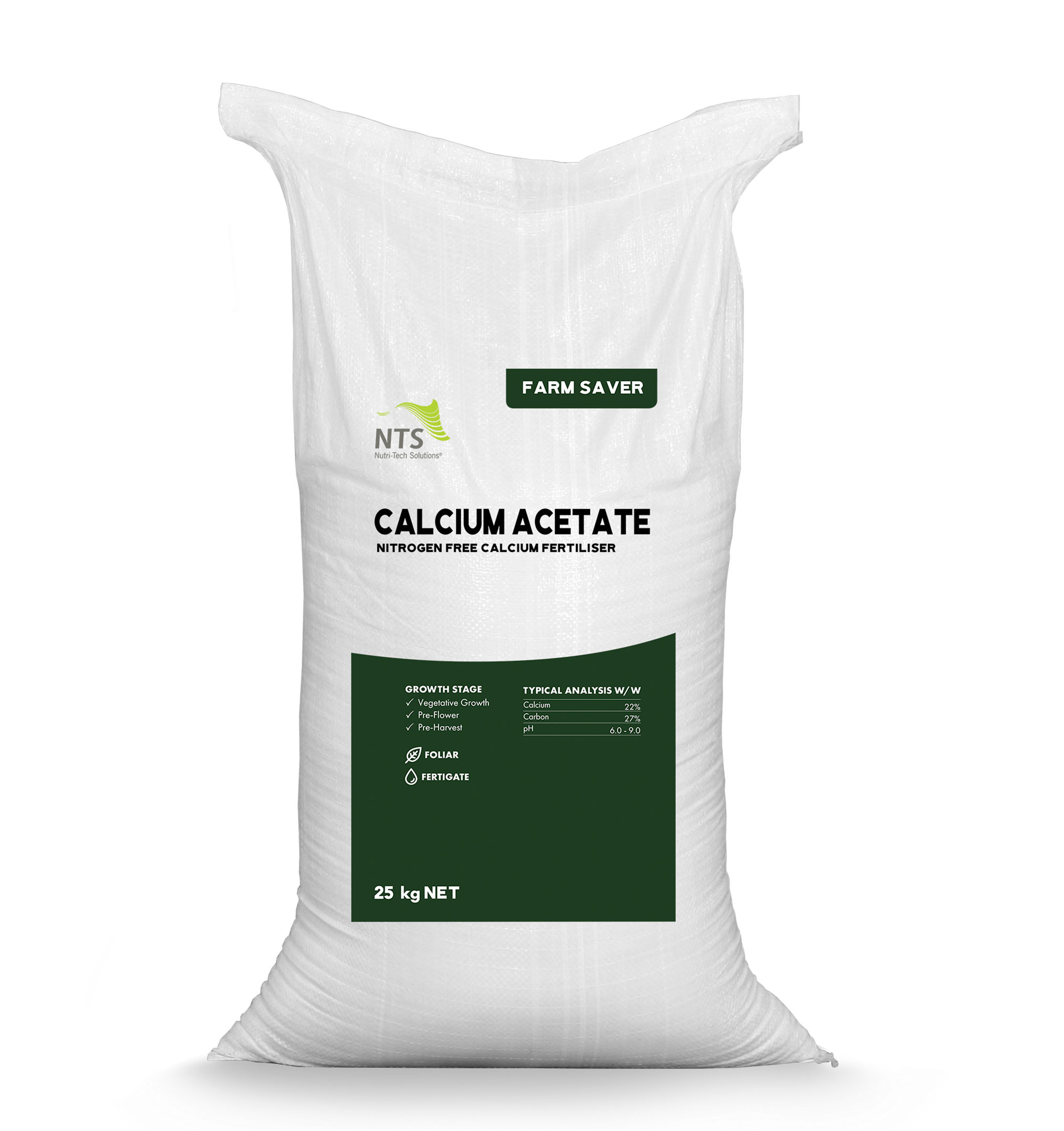
NTS Calcium Acetate is now available for around $4 per kg. This is more costly than calcium nitrate, but it has higher analysis, and it is used at low rates.
In fact, this soluble powder offers the opportunity to create your own DIY chelated foliar calcium at a much lower price. For example, a super-effective “calcium Fulvate” can be created by combining 2 kgs of calcium acetate with 300 grams of FulvX powder, in 100 litres of water. When this is applied to pasture or broadacre crops, the total cost is around $10 per hectare. This is equivalent to 5 litres of chelated calcium, and that would typically cost around $35 per hectare, if commercial products were involved.
Vegetable rates are 3 kgs per hectare of NTS Calcium Acetate with 400 grams of FulvX in 400 litres of water
Orchard rates can be higher because of the much higher water rates required. i.e., 5 kgs of NTS Calcium Acetate per hectare with 500 grams of FulvX
If you are seeking the maximum bang for your buck in terms of the diesel and labour costs involved in a foliar spray, then you might include a high-performance kelp product like Tri-Kelp at 1 gram per litre.
One litre of Micro Amino Drive (MAD) per hectare, with the kelp, humates and calcium acetate, will give an even bigger bang.
Boron is deficient more often than not in most crops, and it is compatible with calcium acetate. One kg of sodium borate per hectare could be added to this mix.
In Pasture situations, you might also add 50 grams of sodium molybdate per hectare to ensure your legumes are fixing nitrogen.
If you heed a little nitrogen boost, then calcium acetate, and everything else suggested for this kick ass formula, is compatible with foliar urea. This is a much better option than nitrate nitrogen, as foliar urea converts so easily into protein. I would suggest lower urea rates in this context. Perhaps,3 kgs of urea per hectare
When fertigating calcium acetate, it would also be more productive to chelate the calcium with FulvX ( 50% humic acid and 50% fulvic acid). It is very productive to fertigate 10 kgs per hectare of Calcium Acetate with 1 kg of FulvX
You will be well familiar with my concept of “putting the microbes behind the minerals”. In this instance, I would suggest the inclusion of BAM (Beneficial Anaerobic Microbes) with both fertigated and foliar applications of these Calcium Acetate formulations
In Summary …….
The new NTS Calcium Acetate is very competitively priced to make it more accessible to more growers. It is a welcome addition to the NTS product range, as it fits so well within our Nutrition Farming philosophy.
- It supplies calcium without forcing vegetative growth through added nitrogen.
- This input has a lower risk of foliar burn compared to calcium nitrate.
- It is compatible with all microbial and biological formulations.
- Calcium Acetate is synergistic with fulvic acid, kelp, amino acids, and microbial inoculants,
- This superior calcium source is perfect for late-season fruit quality programs, where firmness and storage life are priorities.
Wishing you all good things as you prepare for Spring!
Warm regards
Graeme

Exciting News: NTS Named Finalist in 2026 Queensland Export Awards! 🌍🌱
We are thrilled to share that Nutri-Tech Solutions (NTS) has been named a finalist in the Sustainability and Green Economy category of the 2026 Premier of Queensland's Export Awards.
Now in its 36th year, this prestigious award program recognises the innovation, resilience, and global vision driving Queensland’s export economy. For NTS, this honour validates a much larger mission: taking biological agriculture to the world stage and proving that soil health, sustainability, and human vitality are inextricably linked.
The category winners will be announced at the Premier's Export Awards Dinner on Thursday, 8 October at the Brisbane Convention and Exhibition Centre.
A heartfelt thank you to our dedicated team and our global network of growers who put these regenerative principles into practice every day. Together, we are continuing to heal our soils and nourish the planet!
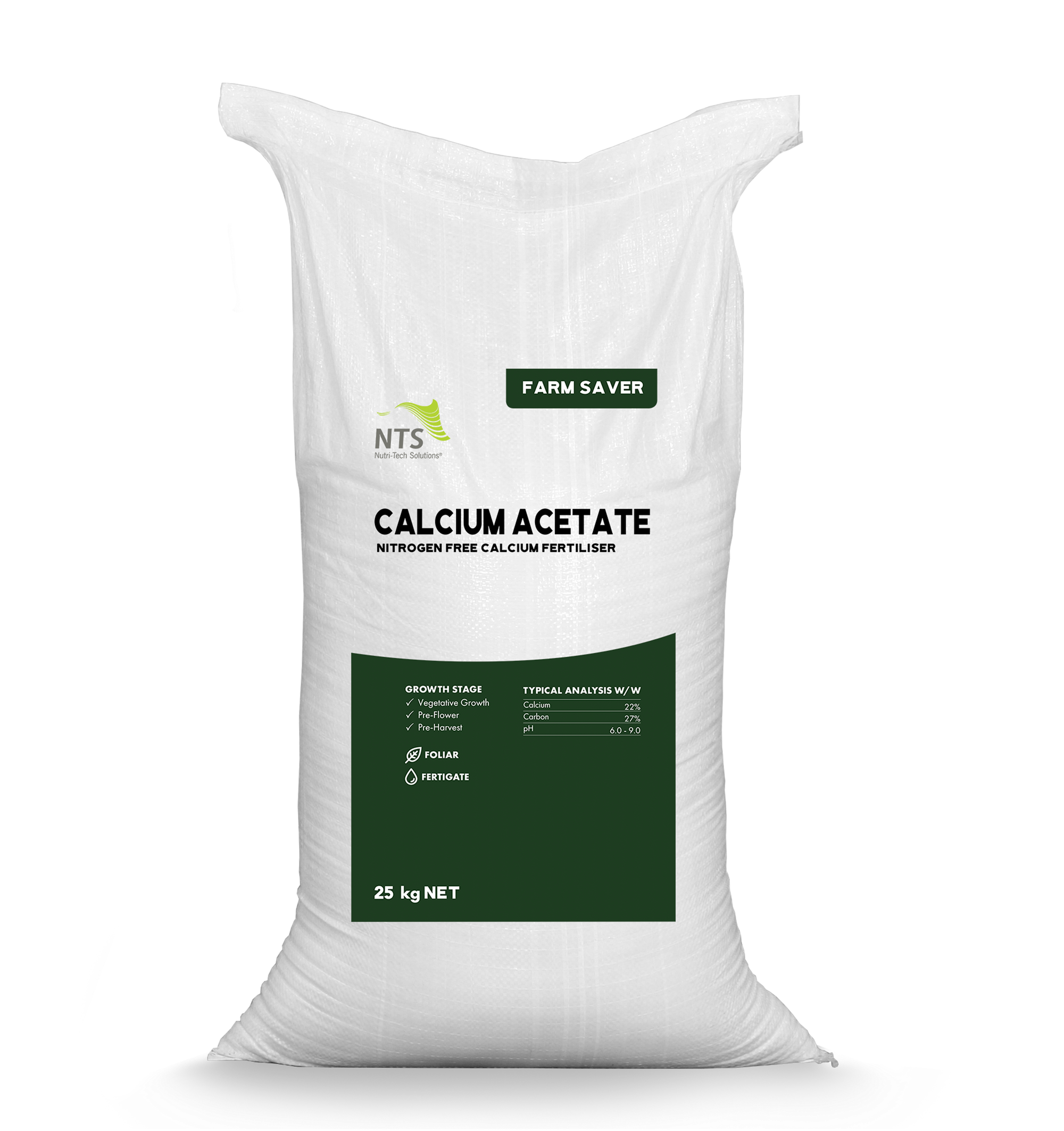
Calcium Acetate
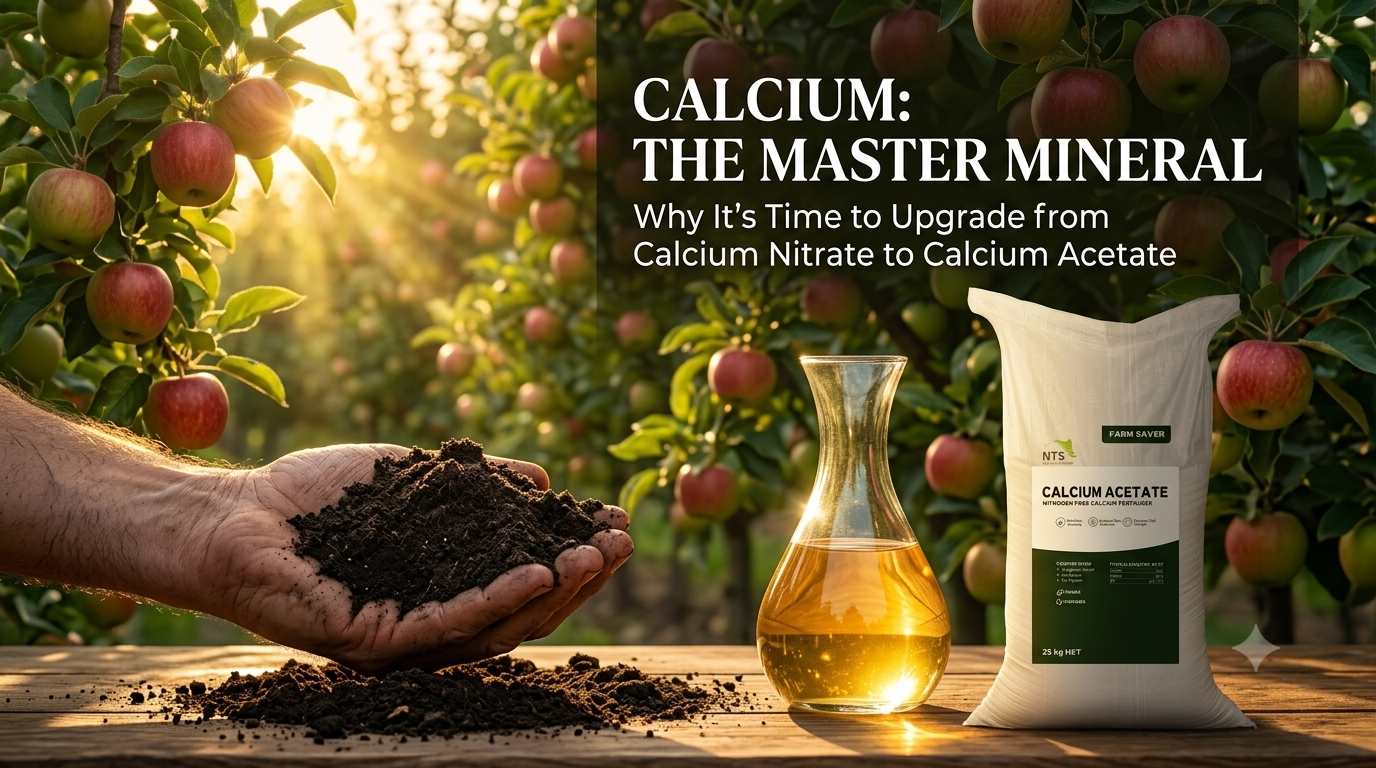
NTS Farm Saver Calcium Acetate is a high-analysis soluble powder designed to deliver superior plant-available calcium without forcing unwanted vegetative growth.
It consists of 22% soluble calcium combined with 27% organic carbon derived from acetic acid, which stimulates soil microbes and converts to acetyl-CoA inside the plant to fuel key defence pathways. NTS Farm Saver Calcium Acetate is biologically compatible and free from nitrate nitrogen, providing a lower burn-risk calcium source for foliar and fertigation applications.
Product Benefits
- Nitrate-Free Nutrition: Delivers high-analysis calcium without triggering nitrate-induced nutrient dilution or unwanted late-season growth.
- Enhanced Plant Immunity: Contains 27% organic carbon to stimulate soil life and drive secondary metabolite synthesis via acetyl-CoA.
- Superior Fruit Quality: Improves cell wall strength, fruit firmness, and shelf life while preventing disorders such as bitter pit and blossom-end rot.
- Biological Synergy: Lower salt index and reduced leaf scorch risk, with ideal compatibility for humic acids, kelp, amino acids, and microbial inoculants.
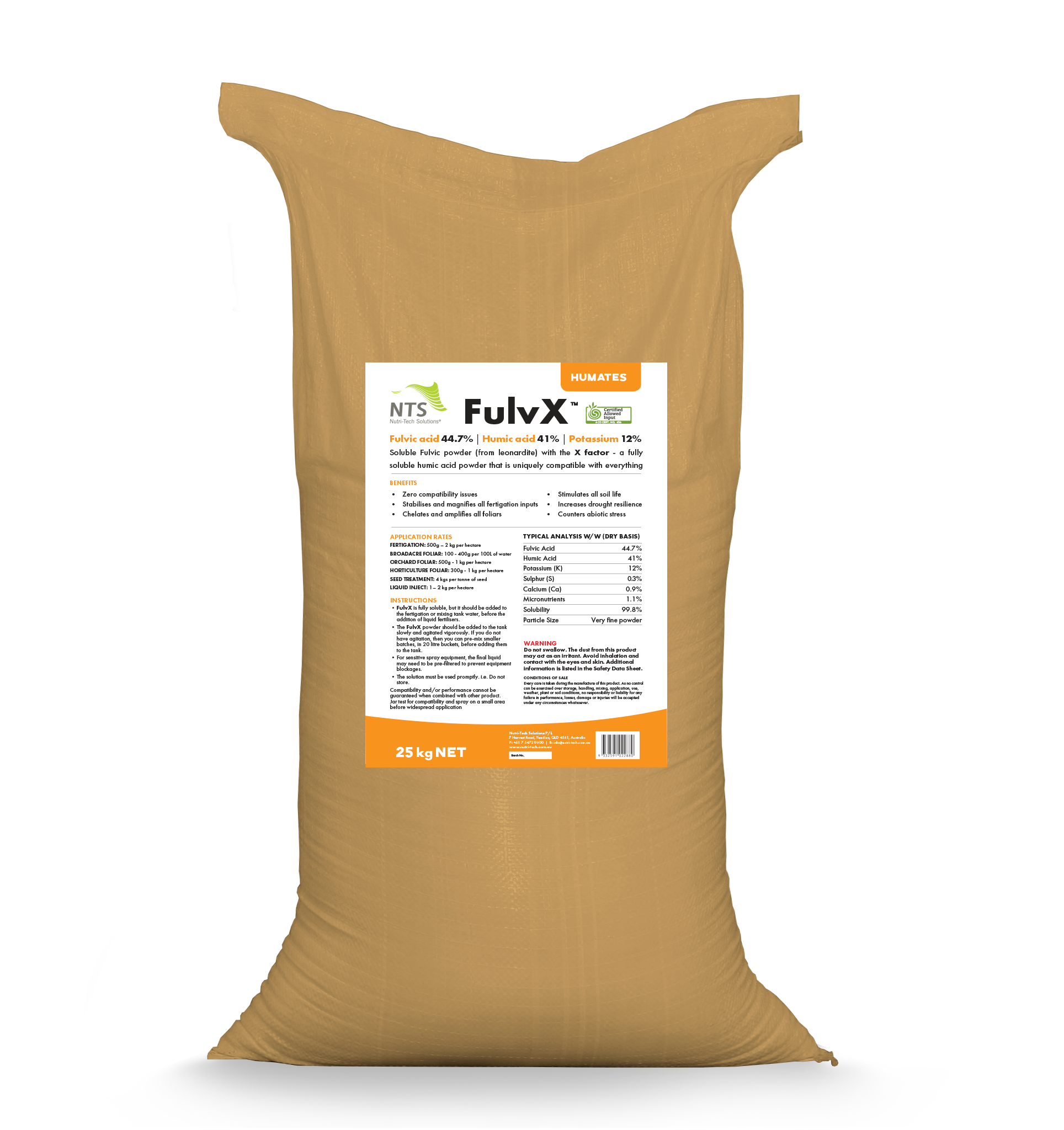
NTS FulvX™ Powder
Soluble Fulvic Powder (from leonardite) with the
X factor - a highly soluble humic acid powder that is highly compatible with most inputs.
It is highly soluble, ACO-approved and completely versatile. It can be used with phosphate, sulphate or nitrate-based inputs, in liquid inject, or as foliars—the perfect additive for fertigation to stabilise and magnify almost all fertiliser inputs.
NTS FulvX™ Powder delivers a wide range of benefits,
- Chelation - Both humic acid and fulvic acid increase nutrient uptake via cell sensitisation.
- Hormone-like stimulation - Both humates are well documented to deliver a pronounced plant growth response that closely resembles the three key phytohormones driving many plant processes: auxins, cytokinins and gibberellins.
- Increased P availability - Humic acid and fulvic acid have both been shown to increase the release of phosphate from locked-up sources.
- Abiotic stress tolerance - In a warming world where environmental extremes abound, there is no shortage of plant stress, and anything that can help counter this stress becomes an essential tool.
To order or learn more, call NTS on (07) 5472 9900 or email sales@nutri-tech.com.au.
Certificate in Nutrition Farming
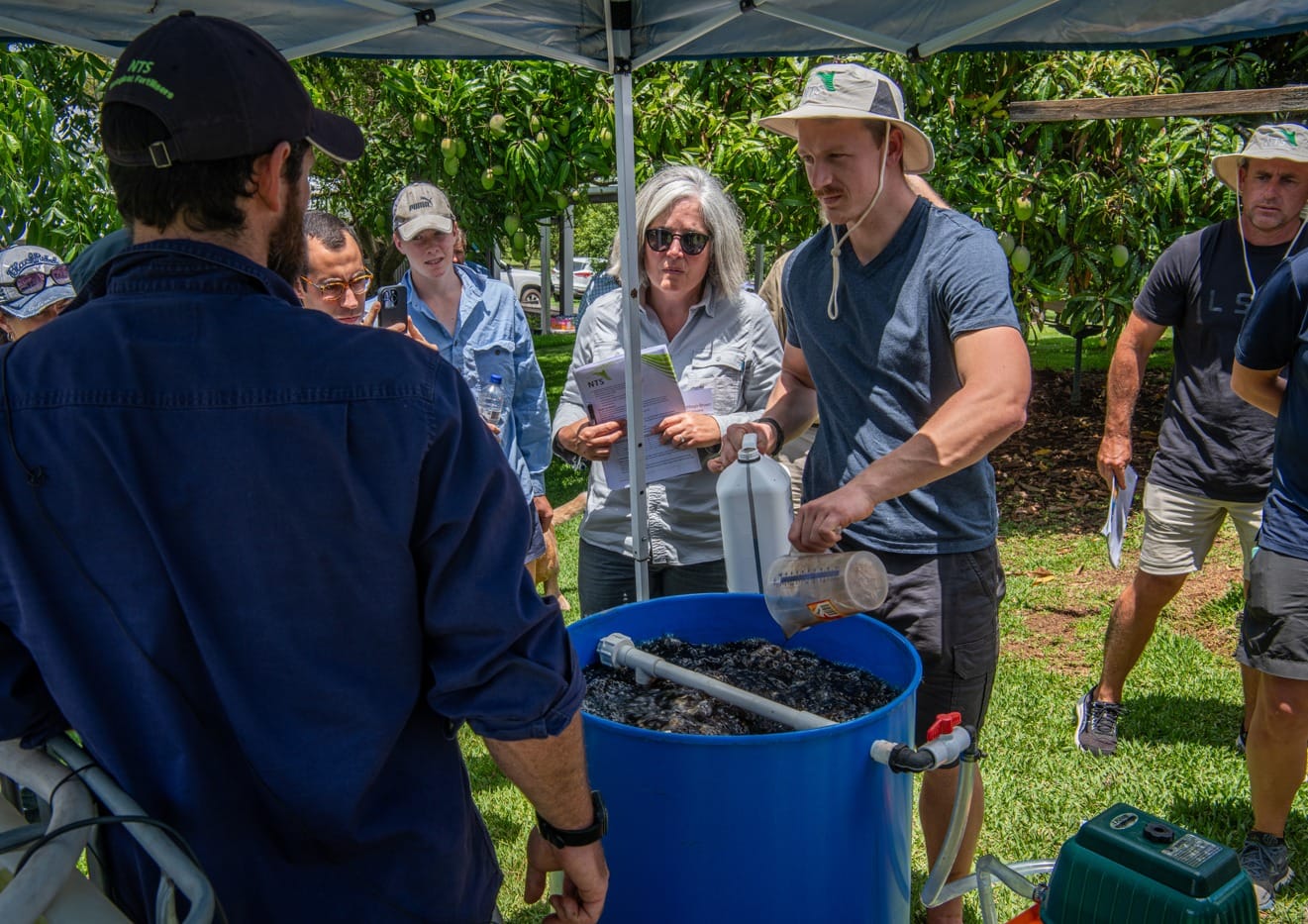
Our next iconic, five-day Certificate in Nutrition Farming® course is scheduled for November 2026: Monday 2nd - 6th.
Did you know that government subsidies are available for farmers via the Farm Household Allowance? Check it out here... https://www.servicesaustralia.gov.au/farm-household-allowance
Our last course was attended by growers and consultants from six countries. It was a wonderful learning opportunity where attendees enjoyed a wealth of education and inspiration from both our presenters and their fellow attendees. We only accept 40 bookings for these courses, so please register if you would like to attend.