🌱Growing Your Own Superfood - Your Wellness Essential - Part 1 🌿

By Graeme Sait
I have passionately argued for years that the ultimate wellness tool for yourself and your family involves the home garden. In a time of increasing uncertainty, this statement has never been more poignant. In part 1 of this article, let’s look at 5 compelling reasons that you might choose to produce your own nutrient-dense food. Then we will begin discussing ten tips to help you grow your own superfood.
Why grow your own food
1) Avoiding contaminated produce
The home garden allows an escape from a contaminated food chain, and there is compelling research suggesting that this “clean” input in your diet can seriously help your body counter other toxins in your environment.
The cat is out of the bag now, in relation to the ease with which we can all check the pros and cons of farm chemicals on our food.
Here's a little challenge that may change how you view supermarket food. One of Australia's most widely used fungicides is called Dithane. It is used on the vast majority of the fruit and vegetables you consume. Here’s what I suggest you try. Just partner “Dithane” in a Google search with each of the following phrases - neurodegeneration, endocrine disruption and cancer.
It may be more effective to Google the active ingredient of any chemical you seek to check. In the case of Dithane, the active component is called mancozeb.
Here’s an example. If you were to Google “mancozeb and endocrine disruption”, you would discover the following:
You will immediately see the studies linking this pervasive chemical to serious thyroid disruption. The thyroid is the master endocrine gland managing our hormone system, and it is always important to recognise that three of the largest cancer killers (cancers of the breast, prostate and ovaries) have links to hormonal health. This is the reason that the EU banned mancozeb back in 2020.

Now, check the other two killer conditions with the mancozeb link. I promise you will be shaking your head in disbelief when recognising that this toxin is applied to most tomatoes, potatoes, berries, citrus, onions, lettuces, brassicas, cereals, apples, stonefruit and nut crops. In fact, many of these crops are plastered with this chemical on a weekly basis. It’s one hell of a reason to grow your own food, particularly if you have children or grandchildren.
2) A planet-saving strategy
Okay, I’ve had my rant, now let’s look at other reasons you might choose to grow your own food, beginning with a potential planet-saving contribution. You have probably heard my TED talk, “Humus Saves the World”. In this context, it is important to understand that building organic matter (humus) in your little piece of the world can be a major personal contribution to the global warming challenge. That sounds like an extreme claim, but when you realise that building organic matter is literally stepping into the carbon cycle and sequestering what would otherwise have returned to the atmosphere, you might appreciate the nature of this responsibility.
Sit down with a calculator and factor what a 1% increase in humus on your 500 sq meters actually represents. To be precise, it represents 1 tonne of carbon that is now stable soil carbon rather than the CO2 that thickens the blanket, traps the heat and changes our world.
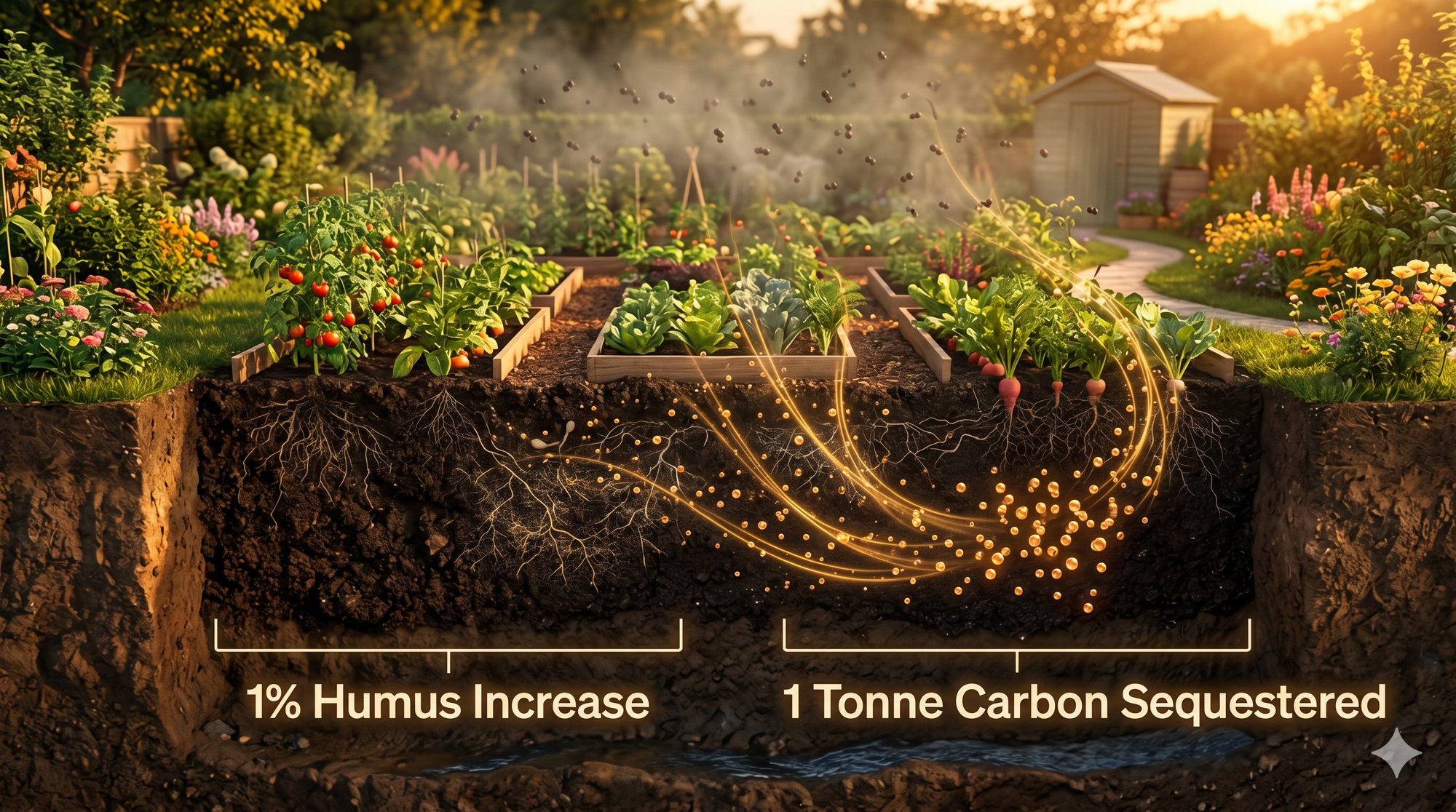
Now, the average global carbon footprint is 4 tonnes per person per year, but we must get down to 2 tonnes per person per year by 2050 if our world is to remain livable. Perhaps, you can now see how that one tonne contribution can be a profoundly important contribution in the bigger picture.
3) Improving your mental health
In a strange world where anxiety has almost become a rite of passage, gardening is the ultimate destressor. Part of this story relates to a phenomenon called biophilia (our innate need to liaise with other life forms). When our hands are in the earth, there is often a resulting, rare sense of relaxation. When we feel at one with nature, there is a peace that comes with that sense of inclusiveness.
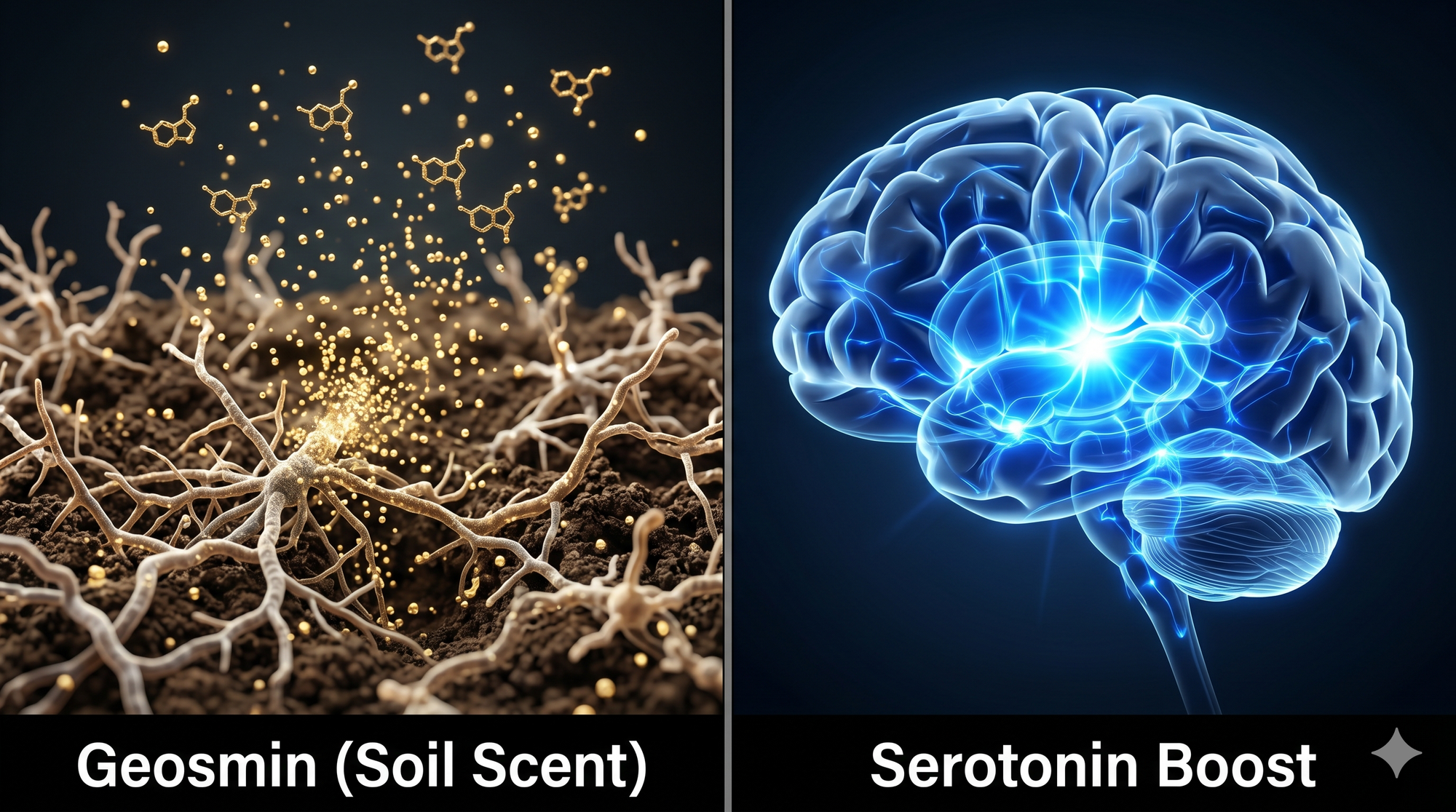
However, there is another scientific reason that we can feel an unparalleled sense of harmony when growing our food. actinomycetes Your nose knows” because if these creatures are abundant, then the rest of the soil foodweb also tends to be flourishing. These aromatic, soil fertility biochemicals are called geosmin, and we now know that they can directly boost our production of the neurotransmitter serotonin. A lack of serotonin production is a root cause of depression. The human nose is equipped to detect geosmin at just 5 parts per trillion. We are finely tuned to sniff out these natural antidepressants, and it certainly suggests that healthy soils are an integral part of the mental wellness equation. I mean, why else would we be so superbly equipped to detect this harmonising scent? Healthy home gardens will also contain organisms called Mycobacterium vaccae. These creatures are even more powerful in exerting an effect similar to antidepressants. Now I understand why my favourite time is when I’m gardening.
4) Avoiding nutrient loss.
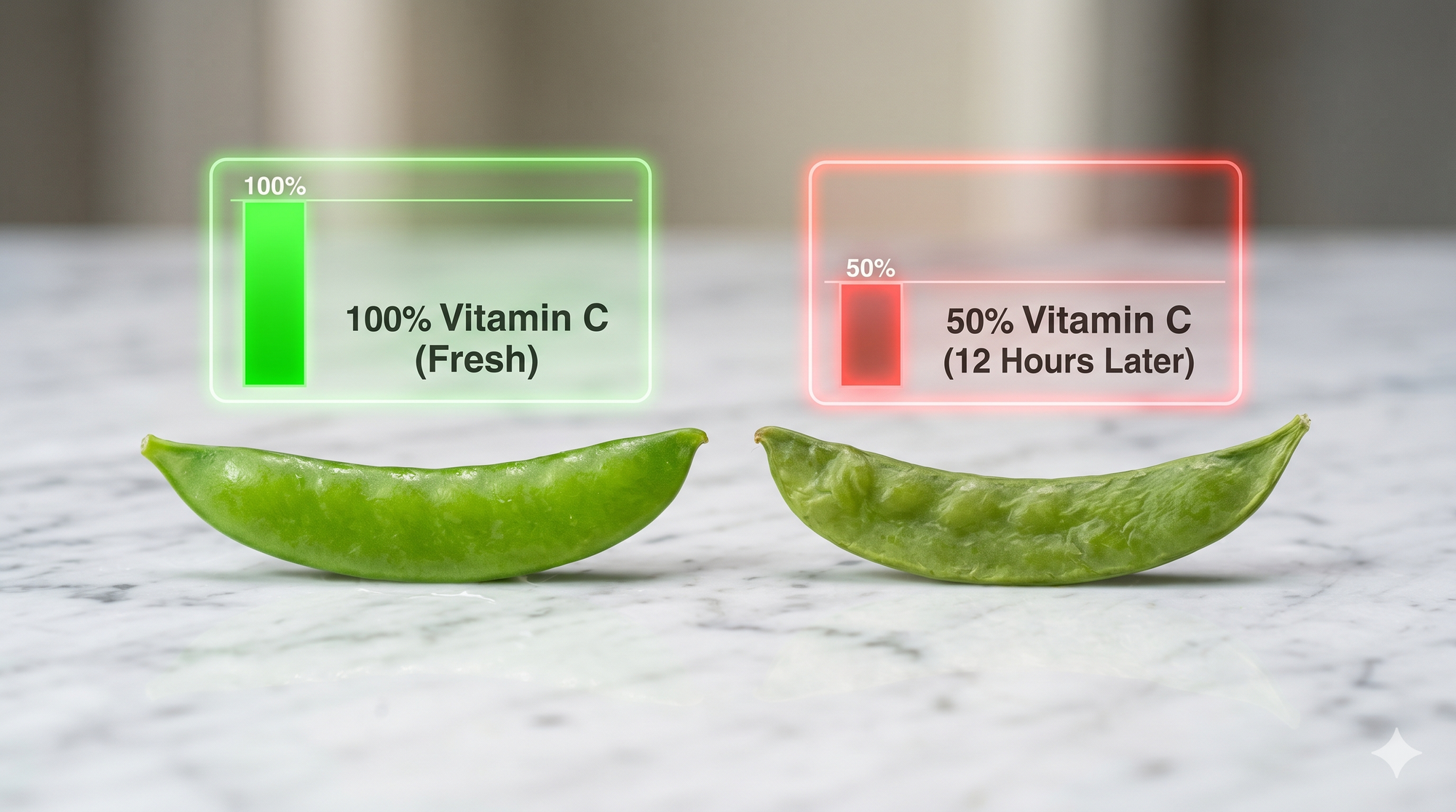
There is another major reason why the home garden can be your ultimate wellness tool, and that relates to nutrient loss during food storage. Perhaps the greatest benefit from a home garden relates to a wonderful opportunity to eat truly fresh produce. I have highlighted this previously, but most people are not aware of the nutrient loss linked to the storage of fresh produce. A snow pea, for example, loses 50% of its vitamin C content within 12 hours of harvest. The prepackaged snow pea in your supermarket was typically harvested many days earlier. Several studies have shown significant losses of total phenolics, anthocyanins and vitamin C in a multitude of fruit and vegetables, following periods of refrigeration. The message is clear: if you can consume food immediately after harvest, that food will be more nutrient-dense and more therapeutic. Your food will be your medicine if it is grown well and eaten immediately. If you have a home garden, you have the luxury to feed that uneaten salad to the chooks, because you can so easily reharvest and consume your freshly harvested “ medicine” the following day.
5) Avoiding faceless food -
Finally, it is pertinent here to address the issue relating to the commercial production of faceless food. I call this “the dark side of anonymity”. It’s a little like the famous psychological experiment, which highlighted sinister behavioural changes under the cloak of anonymity. Here, students, who thought they were administering an electric shock punishment to responders with the incorrect answers, were fitted with a head mask. Immediately, the shocks administered became significantly more intense.
When the food we produce on the farm is bundled into everyone else’s produce in the supermarket bins, there is less motivation or responsibility to make that food more nutrient-dense or less chemically contaminated. It effectively becomes faceless, soulless mass production.
The Japanese have developed a different story from which we can all learn. There are fresh food markets across the country operated by farmers selling directly to the consumer. You have your table with your produce and your photo behind it. If you’re not producing high-quality food with memorable flavours, people don’t come to your table, and you are moved out. It’s such a simple, self policing model that works for farmers and consumers. Each farmer packages his food with a QR code, and each operation is operated by a couple of employees hired by the farmers' coop. You replenish your table each day, and 30% of your turnover pays for the building and employees. That’s very different to the current supermarket role where the rip-offs are par for the course. Ginger, for example, dropped as low as $1.60 per kg in the local markets, but the supermarket prices never dropped below $29 per kg. This model is not working for farmers or consumers.

OK, hopefully we are all now motivated to grow our own food, so let’s look at ten tips to elevate that enterprise. Let’s look at how you can become a Nutrition Gardener.
Ten tips to optimise home food production
1) Test your food-producing soil - my introduction to a better way came 30 years back as a weekend warrior on a small acreage. There were areas on that farm that were going nowhere fast, despite countless hours spent trying to turn them around. Then I decided to test the two main problem areas, and it was like a blind man recovering his sight. I was no longer driving blind, and the improvements came thick and fast. If you can give the plant exactly what it needs, you will inevitably produce better quality food with less stress.
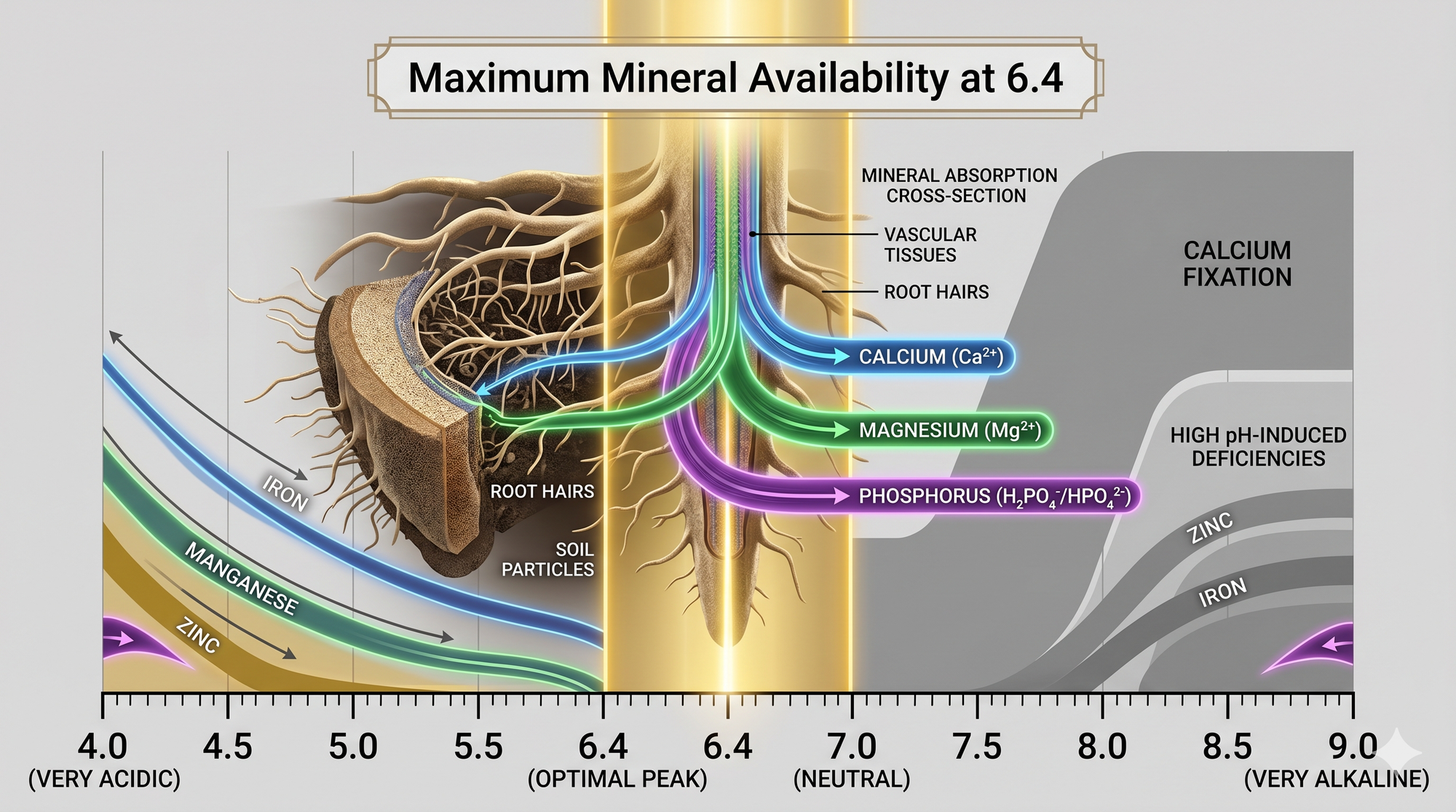
If you can’t justify the $150 for a comprehensive soil test, then at least check your soil pH. This single parameter can seriously impact nutrient availability and associated food quality. You might have a humus-rich soil that looks like a winner, but if the pH is just 5.5, because you have neglected liming, then there is a price to pay for this neglect. At pH 5.5, the uptake of nitrogen, phosphorus, calcium and magnesium is restricted. It’s important to realise that calcium, magnesium and phosphorus are principle bone building constituents for your family, while also being the most important players in the most important plant process of all - photosynthesis.
Soil pH is a logarithmic scale, where a drop of a single pH point means ten times more acidity.
The healthy, productive soil has a pH of 6.4, and at this pH, all minerals are most available.
You might have a high clay, high magnesium soil, with a pH of 8.5, and in this instance, your alkaline soil will be compromising the uptake of iron, zinc, manganese, copper and boron.
So, how do you measure your soil pH, and how can that soil pH be corrected, if it is way off mark?
Testing your soil pH
You can use a pH meter or a pH strip from a local pool shop to check your soil pH. Here’s how it’s done.
Add equal parts of soil and deionised water to a screw-top jar and shake the contents vigorously for I minute. Now let the jar sit for five minutes and then dip your pH meter or pH strip into the slurry. Deionised water is important because you don’t want any influence from minerals that may be present in tank, town or bore water. You can source a cardboard cask of distilled water from the supermarket and leave it in the shed for future testing.
Now, let’s assume that your soil pH is 5.5. How do you address this situation?. If you were a farmer using our Soil Therapy service, then the liming requirement is quite specific, based upon the relative clay component of your soil. Here, a more generalised, educated guess may be needed. If you have a lighter, sandy loam soil, then the suggestion would be to apply lime at 2 kgs per 10 sq meters of your garden. If it were a heavier clay soil with a pH of 5.5, then that requirement might be 4 kgs of lime per 10 sq meters. If that clay was particularly sticky, then you might add the clay breaker, gypsum, with the lime, at a rate of 2 kgs per 10 sq meters.
2) Minimise digging and mulch your garden - the old school concept of working your soil up into a fine tilth a couple of times a year before planting is now very much frowned upon. If we are using our garden to capture carbon, then opening up that soil with a spade or a cultivator will be counterproductive. Every time you work the soil, you introduce oxygen into the equation and oxidise some of your precious humus. If you dig the soil when it is wet, then you have quadrupled that carbon loss. However, tillage also slices and dices the beneficial fungi in your soil. Ironically, they are the very creatures that create natural tilth via the creation of crumb structure. They are also responsible for creating stable carbon, which lasts at least 35 years in your garden (and out of the atmosphere), and they hate the intrusion of cold steel. No-dig gardening has become an essential environmental priority, and that involves the heavy use of mulch and compost.
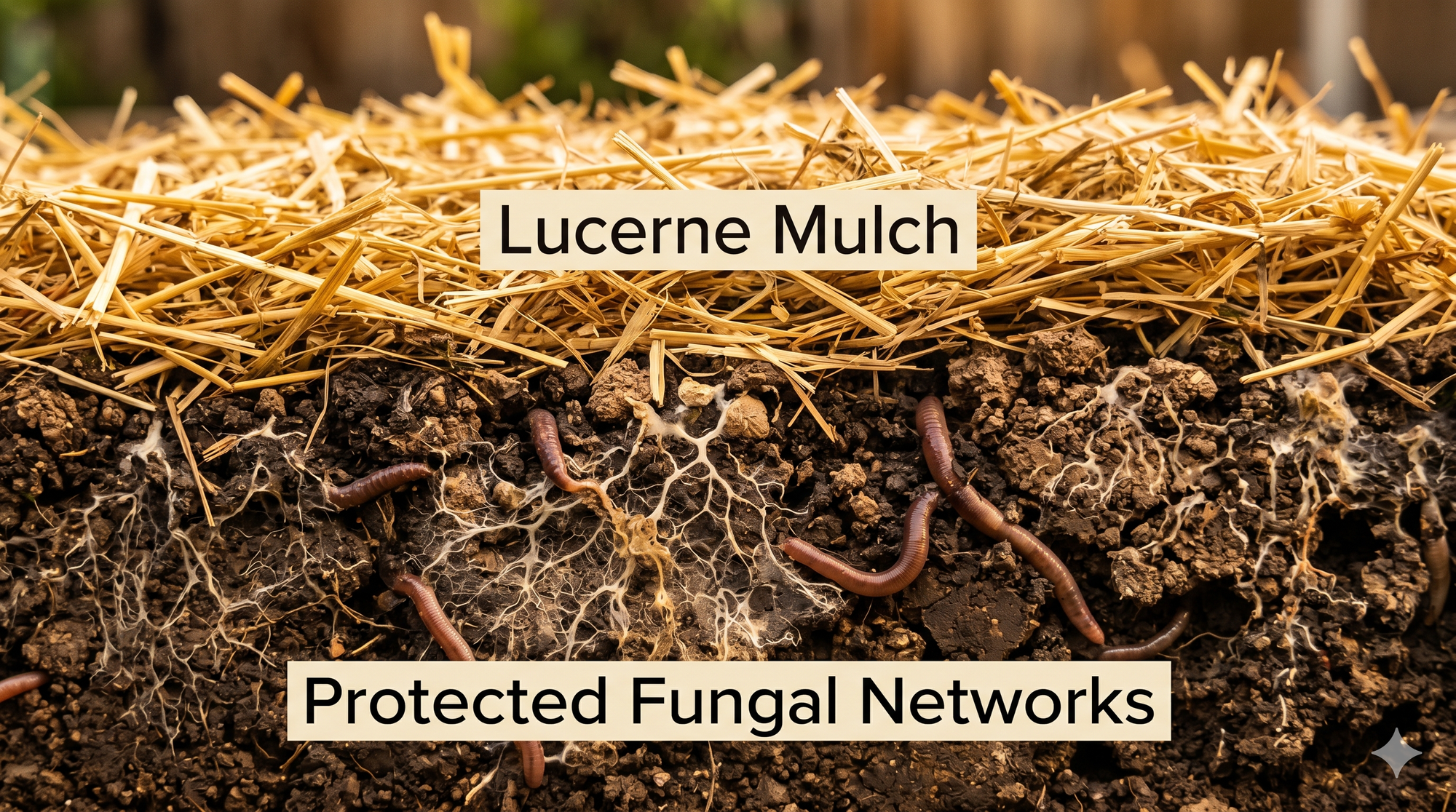
Vermicompost is the best of all composts, but any well-finished compost is good. The best of all mulches is lucerne( or alfalfa mulch if you live in North America). This high-protein soil food is a great fertilising mulch loved by all, but the earthworms go ballistic in its presence. Lucerne hay houses an abundance of protozoa that are the favourite food of earthworms. We all need more earthworms. If you want to encourage large numbers of these oxygenating fertiliser machines, which also make their own lime, and incubate their own beneficial biology, then lucerne mulch is your best tool
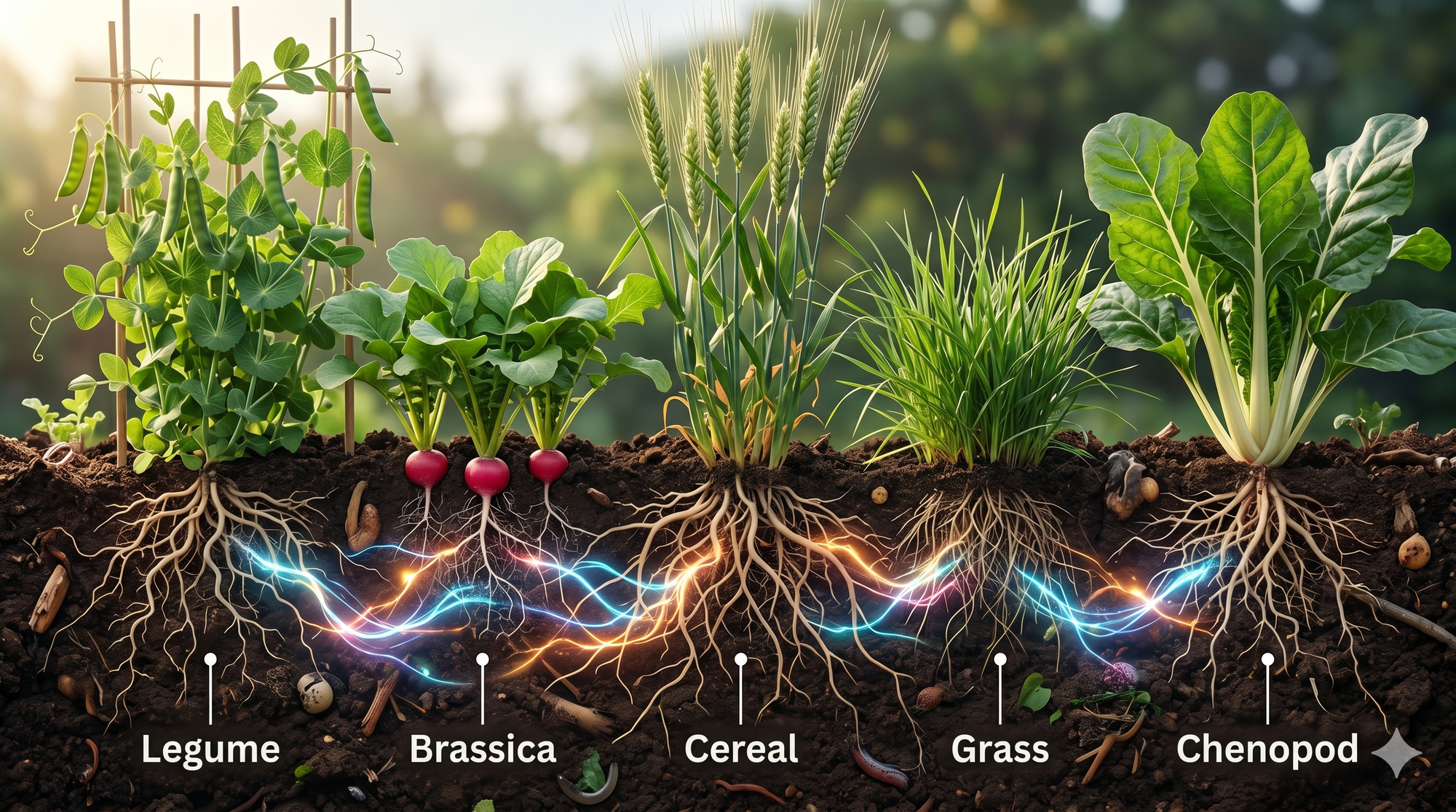
3) Plant a living ground cover - part of the rationale of mulching relates to covering and protecting the soil from extremes, while better retaining moisture and also feeding the biology beneath. However, there is a second carbon building, a soil protective strategy that is at least as effective. That involves planting a multi-species cover crop in your garden to provide a living mulch cover. Biodiversity is the central principle in nature, and you will soon learn how this “more the merrier” mantra can deliver in spades (excusing the pun). Research into cocktail cover crops in agriculture has revealed that, if we can include five species in our cover crop, then something quite special occurs. Those species include cereals, grasses, legumes, brassica and chenopods. Chenopods involve a small group of plants, including everything from the beet family, quinoa, amaranth and spinach. The finding from the USDA is that only when all five species are in the mix do the plant roots begin messaging each other, and this triggers an outpouring of phenolic compounds into the soil.
Just as our bodies respond positively to these antioxidants, the soil life also sings in their presence. You can even make your cocktail cover crop an edible salad, particularly if you harvest some of it young.
Here are some of the kinds of plants you might include. Peas might be part of the legume equation, as they can be eaten young, or when flowering, or we can consume the pods. Radishes might be our brassica component. Wheat and barley might be our cereals, as a portion can be consumed young for green juices involving wheat grass or barley grass. Ryegrass can be the grass component, and silver beet can be our chenopods.
Here’s a 400-gram, 100 sq meter recipe that will work well to produce an edible, multi-species cover crop. You can increase or decrease the components depending on the size of the area you are planting.
Combine 150 grams of pea seed with 100 grams of ryegrass seed, 100 grams of wheat and barley seed, 30 grams of radish seed and 20 grams of silver beet. Typically, the brassica component should not exceed 6% of the mix, and the chenopods should be no less than 2%. If you can add more variety, it is even better. Plants gift the soil with 30% of their glucose produced from photosynthesis, but this exudate is not just sugar. Each plant has different nutrient requirements, so all exudates are laced with food to encourage the microbes that will deliver each plant's unique requirements. In this manner, increased diversity above ground delivers increased diversity below ground, and your soil is humming.
It’s also important to realise that at the conclusion of that cover crop cycle, plant roots are the part of the plant that is most easily converted to humus. The dead roots are there beneath the soil where all the carbon-building action is happening. For that reason, large-rooted species like lucerne, daikon radish, and sunflower might also be included in your 400-gram blend.
We will continue our journey in a couple of weeks when I publish part 2 of this article.
This second offering will be jam-packed with handy tips and strategies to ensure you are a happy, satisfied Nutrition Gardener.
Warm regards,
Graeme
Gyp-Life Organic™
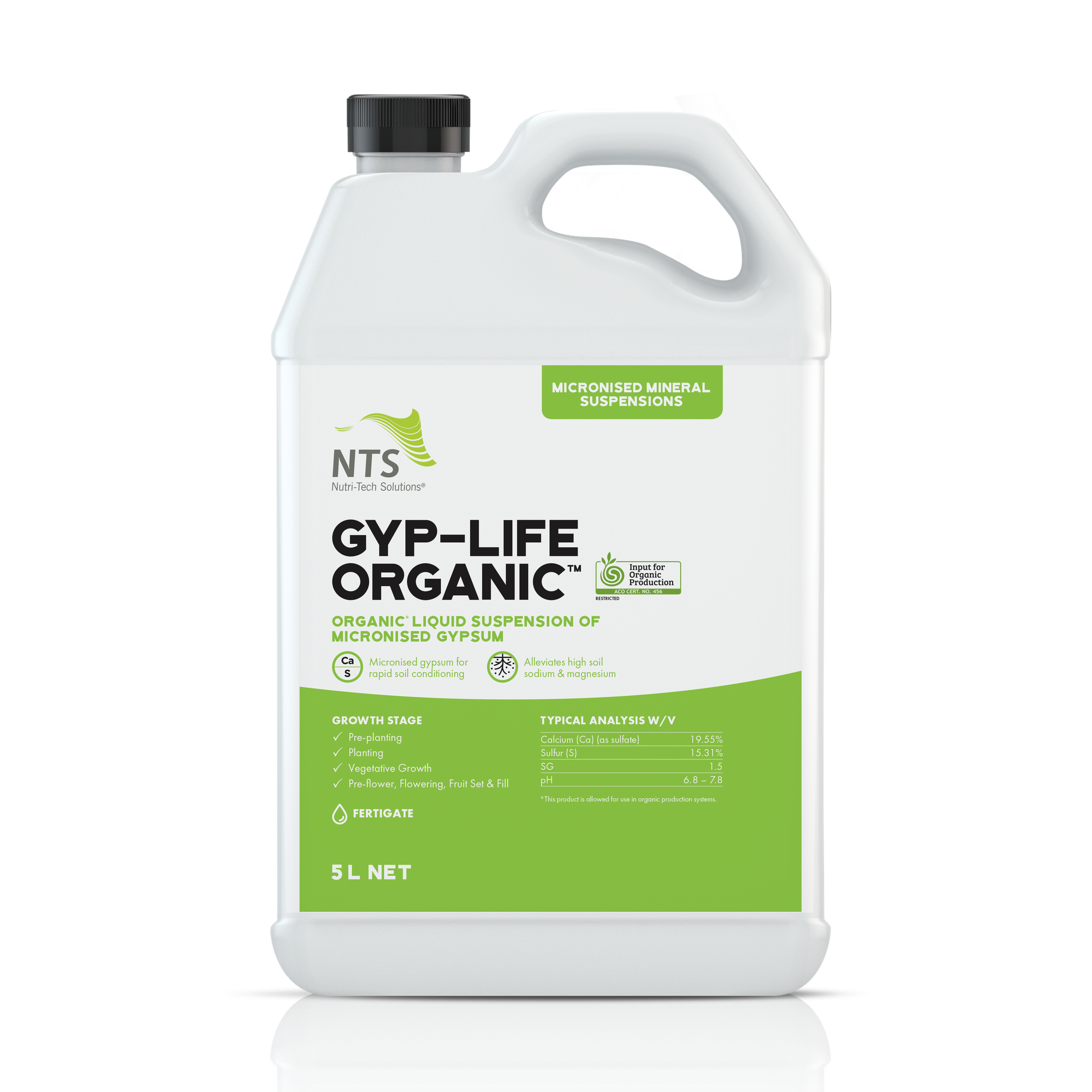
The introduction of the “clay buster” in liquid form allows ease of application and more precision in placement.
A high-analysis source of micronised natural gypsum combined in a free-flowing suspension with fulvic acid. The soil conditioning capacity of gypsum is dramatically enhanced by the large increase in surface area associated with micronisation.
Growth Stage
- Pre-planting
- Planting
- Vegetative Growth
- Pre-flower, Flowering, Fruit Set & Fill
Key Performance
- Help manage high sodium & magnesium soils
- Micronisation amplifies the conditioning & clay busting properties of gypsum
- Includes fulvic acid for enhanced crop response
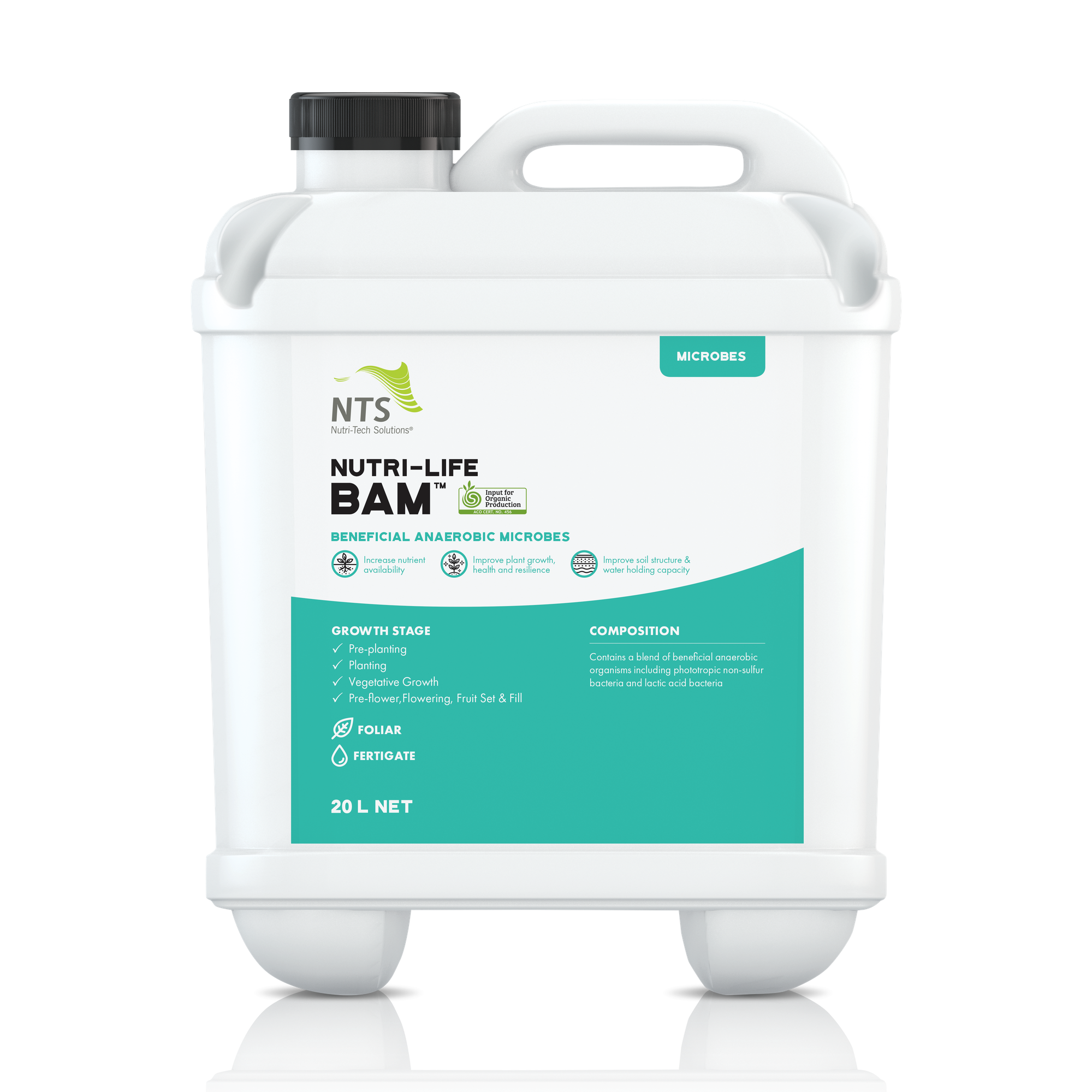
Nutri-Life BAM™
Multipurpose blend of anaerobic species for soil, compost and plant health.
This breakthrough probiotic blend contains lactic acid bacteria and purple non-sulphur bacteria, plus beneficial yeasts and microbial exudates.
Click here for Seed Treatment Instructions with Nutri-Life BAM™.
Key Performance
- Improve plant growth, health & resilience
- Increase nutrient availability
- Improve soil structure & water holding capacity
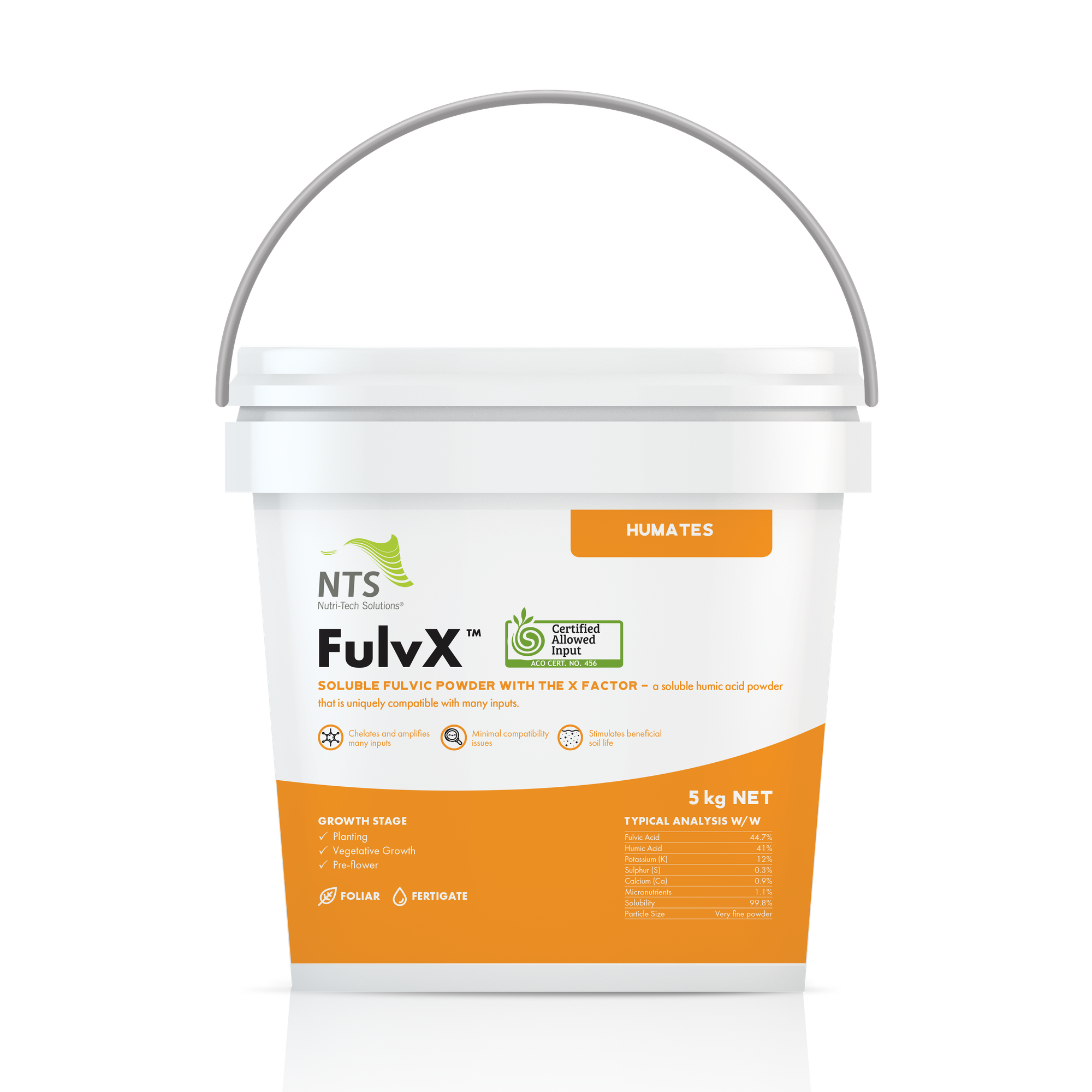
NTS FulvX™ Powder
Soluble Fulvic Powder (from leonardite) with the X factor - a highly soluble humic acid powder that is uniquely compatible with most inputs.
It is highly soluble, ACO-approved and completely versatile. It can be used with phosphate-, sulphate-, or nitrate-based inputs, in liquid injection, or as foliar—the perfect additive for fertigation to stabilise and amplify almost all fertiliser inputs.
NTS FulvX™ Powder delivers a wide range of benefits,
- Chelation - Both humic acid and fulvic acid increase nutrient uptake via cell sensitisation.
- Hormone-like stimulation - Both humates are well documented to deliver a pronounced plant growth response that closely resembles the three key phytohormones driving many plant processes: auxins, cytokinins and gibberellins.
- Increased P availability - Humic acid and fulvic acid have both been shown to increase the release of phosphate from locked-up sources.
- Abiotic stress tolerance - In a warming world where environmental extremes abound, there is no shortage of plant stress, and anything that can help counter this stress becomes an essential tool.
To order or learn more, call NTS on (07) 5472 9900 or email sales@nutri-tech.com.au.
Certificate in Nutrition Farming
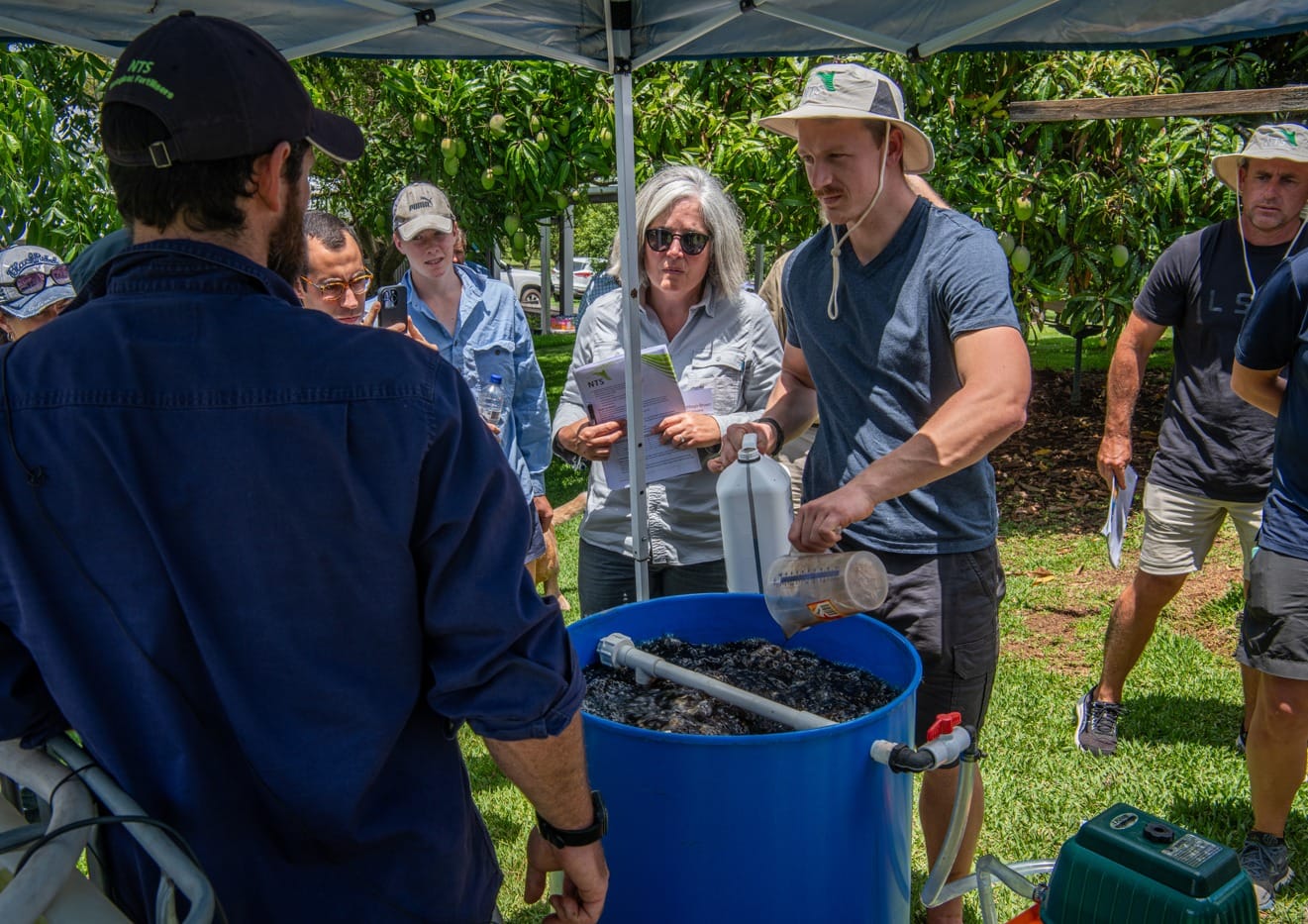
Our next iconic, five-day Certificate in Nutrition Farming® course is scheduled for Monday, 13th - 17th July 2026.
Did you know that government subsidies are available for farmers via the Farm Household Allowance? Check it out here... https://www.servicesaustralia.gov.au/farm-household-allowance
Our last course was attended by growers and consultants from six countries. It was a wonderful learning opportunity where attendees enjoyed a wealth of education and inspiration from both our presenters and their fellow attendees. We only accept 40 bookings for these courses, so please register if you would like to attend.