🔥Awaken to the Power of Wood Vinegar - Discover Activated Char Condensate🌱 ACC 20% Discount

By Graeme Sait
During my travels, there are still blank stares around the room when I ask the question, “Who has heard of wood vinegar?” I guess the new kid in town initially plays alone. However, this is an input that I believe is destined to become a Nutrition Farming essential, so if you are amongst the unaware, this could be your awakening.
I guess the first question on your mind is “why would I get excited about putting vinegar on my soils and crops. Isn’t that what they use for pickling onions?
We should start by explaining that this is not vinegar as such. It has just gained that nickname because it contains a percentage of natural acetic acid. Here’s what it actually is:
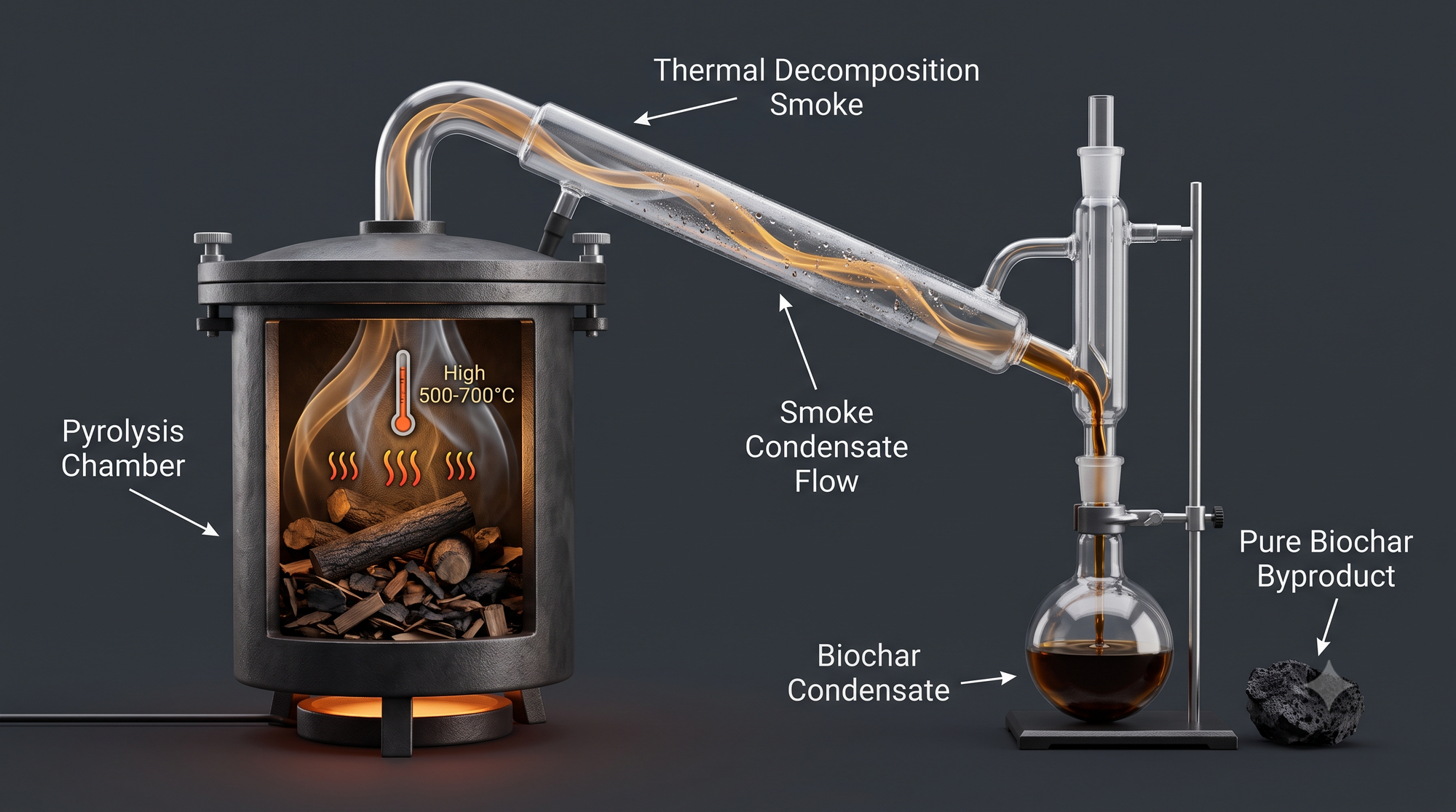
Wood vinegar is a natural byproduct of the making of biochar. This involves a process of pyrolysis within a closed container. The smoke condensate can be captured during this process, and it represents a dense concentration of everything that was present in the wood that was burned.
There is a slight parallel here with essential oils. In that case, you extract and concentrate a host of phytochemicals from the seed, flowers, or roots to address multiple maladies. This smoke condensate offers a similar phenomenon for soils and plants.
There are over 200 bioactive compounds in the smoke condensate, and one of those, as mentioned, involves acetic acid. Some of these compounds are actually similar to what is found in fulvic acid, but there are other exciting actives that are unique to wood vinegar. The concentrate also features the strong smell of smoke, which may confer its own repelling benefits, as we will discuss later. Some of these key actives include phenolic compounds, esters, alkanes and ketones.
The next question you may be posing is, “What can this stuff offer that I’m not already getting in my current regenerative program?”
It’s true that there may be some double-ups, but there is simply no single input currently available that offers this level of multifaceted benefit.
Imagine a liquid that triggers a seed and seedling kickstart, protects from a wide variety of pests (including fungal disease, insects, slugs, snails and nematodes), enhances fertiliser input, boosts composting, and stimulates soil life. Imagine, it does these things while also stimulating plant growth, increasing crop quality and enhancing the shelf-life of produce. Welcome to wood vinegar!!!
Here, I will introduce you to a truly unique wood vinegar option. Activated Char Condensate(ACC) is quite different to any other wood vinegar on the global market, and this difference can dramatically magnify potential benefits. We will discuss this key difference shortly, but first, let’s look a little more closely at this profound range of proven benefits.
If you would like more research details than will be provided here, please check out this link. “The Wonders of Wood Vinegar” article on the NTS website.
The smoky kickstart.
The Australian aboriginals understood that certain native seeds would only germinate in the presence of smoke. Part of the rationale behind their “cold burn” strategy was to trigger these reluctant seeds and regenerate the forest.
Researchers, looking at this ancient practice, have identified a group of substances, which they have named “karrikins”, that are responsible for this smoky kickstart. Research has also demonstrated that the impact of these compounds is not limited to a small group of natives. They can actually kickstart all seed! In fact, it is now understood that these substances can also have a hormone-like response that pushes growth and yield on all crops. Smoke condensate is jam-packed with karrikins.
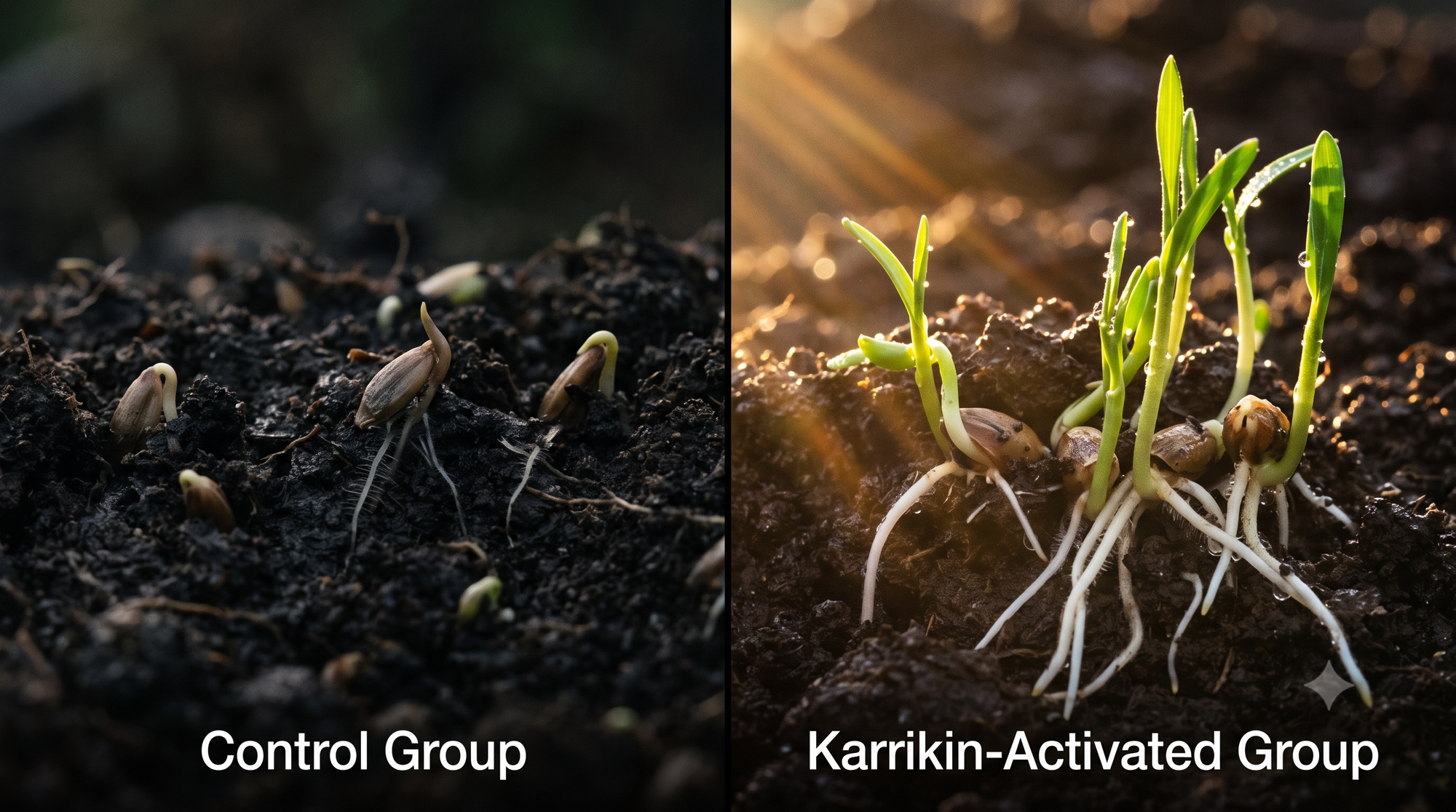
In one karrikin study, published in The Journal of Plant Growth Regulators in 2019, carrots grown from presoaked seed were bigger, heavier and had higher carotene levels than untreated plants.
Dissuading unwanted invaders
The research is unclear as to the mode of potential pesticide action associated with wood vinegar. There are suggestions of immune elicitation and resilience enhancement. However, there is also the very real possibility that the strong smell of smoke simply repels pests because that smell typically comes with the wing singeing, skin scalding, body busting impact of naked flames.
Certainly, slugs and snails quickly disappear, as many Australian broadacre farmers have witnessed. There is some research to support this effect. In 2009, Lindqvist et al reported control against both slugs and snails in a series of wood vinegar trials.
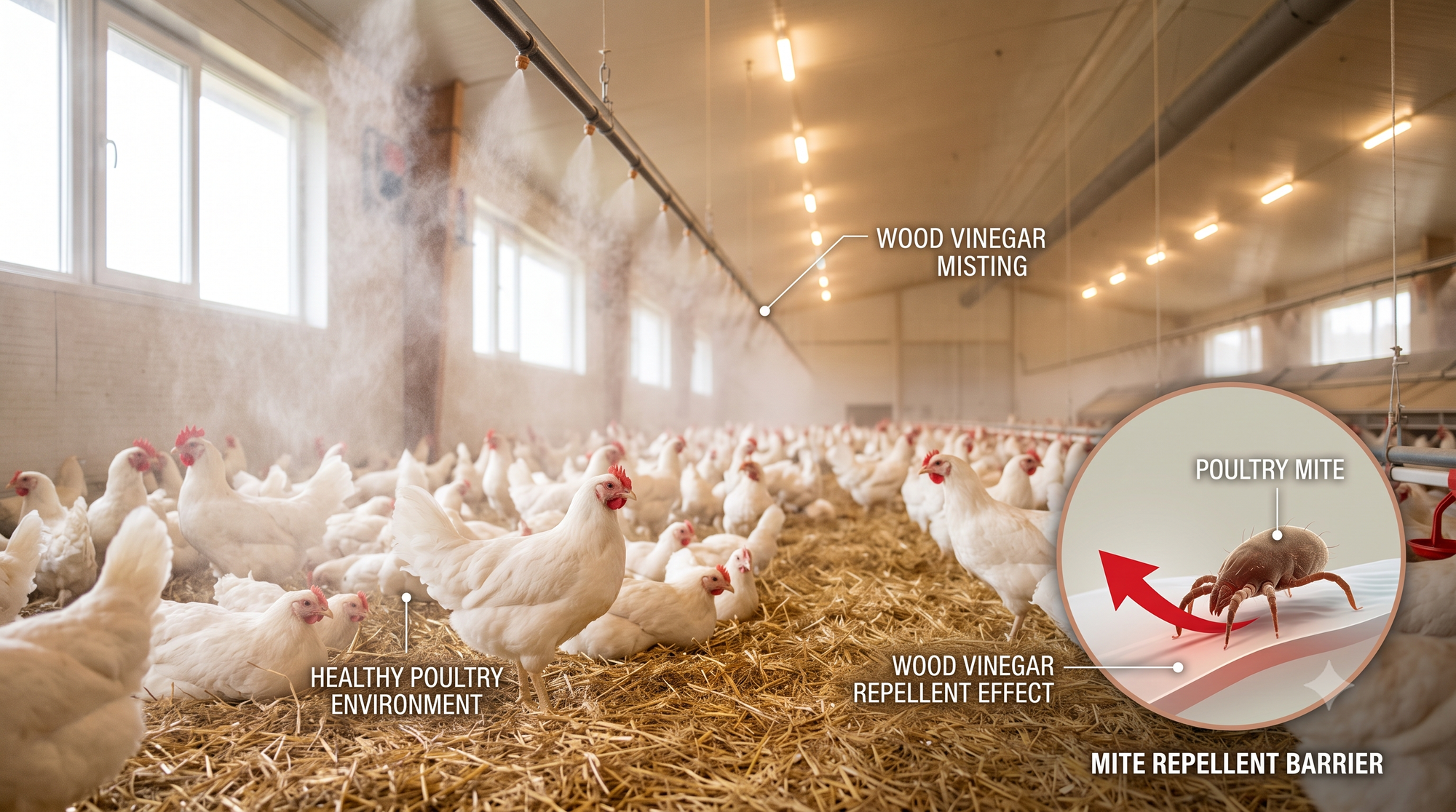
The most damaging parasite in chicken farming is the poultry red mite. It caused over five hundred million dollars in damage last year, just in Europe. On average, an infected bird houses over 300,000 of these nocturnal blood suckers, and they are primary vectors for things like salmonella, avian flu and Lyme disease, which can also be spread to humans. Mite-infected birds have up to ten times the death rate of clean chickens, and the mite has developed resistance to the control chemicals.
A paper published in the Japanese Journal of Poultry Science reported remarkable, non-toxic control of poultry mites by spraying birds and bedding with A 1:500 dilution of wood vinegar. That’s pretty good news for the commercial chicken producers and for everyone with a chicken coop wondering why some of their chickens are bleeding, with half their feathers plucked. This is a classic sign of mite infestation. Now you have a sustainable solution!
There is research to support the nematicidal capacity of Wood vinegar. Wood vinegar kills nematodes directly, and it boosts nematode-trapping fungi to further hold off the most destructive of all pests. The Thai agricultural department suggests a dilution of 1:500 drenched around the base of tomato crops and 1:200 for nematodes in strawberries.
Fungal-fighting features
There is substantial research supporting the fungicidal potential of wood vinegar. Published research by Calermsan et al, in 2009 and Jung et al, in 2007, has confirmed efficacy against some of the most destructive fungal diseases. These include alternaria, rhizoctonia, sclerotinia, pythium and phytopthera.
In trials on rhizoctonia and sclerotinia on cucumbers, there was over 80% control of these diseases compared to the control.
In 2020, Wardoyo et al reported an 89% control of anthracnose on capsicum plants using a 1:200 dilution of wood vinegar.
Boosting your microbial workforce
This is arguably the biggest gain from my perspective, because I have personally monitored some really significant soil life improvements on my own farms. When we consider the fact that wood vinegar is used at 1:100 to boost composting, the microbial connection is clear. There have been several studies reporting higher enzyme activity in treated soils, and it has also been shown that an associated reduction in ammonia volatilisation reduces the toxic effect of heavy metals. Both of these qualities are supportive of soil life.
A Turkish study in 2019 reported significant increases in the enzyme phosphatase, following wood vinegar treatment. This is a great outcome in terms of sponsoring the release of locked-up phosphate in the soil.
In terms of general bio stimulation of soil life, a Chinese study published in The Journal of Pharmaceutical and Chemical Research reported substantial increases in bacterial numbers and diversity when wood vinegar was applied at 1:500 and 1:300 to the soil.
A 2019 Italian study showed significant improvements in soil life counts at lower rates (0.5%).
I have seen the largest increase in microbial biomass, I have personally witnessed, following a good dose of wood vinegar (according to MicroBiometer readings). The reading increased from 700 to 1743, following a heavy application of 40 litres of ACC per hectare. There was also a huge improvement in the fungi-to-bacteria ratio and a 32% yield increase.
BAM boosting with wood vinegar
BAM (beneficial Anaerobic Microbes) has become our largest-selling microbe product globally, so it is fascinating to discover that this remarkable input can be amplified due to a synergy with Wood vinegar.
It was really interesting to find a study that reported that this productive synergy with other inputs was particularly potent when beneficial anaerobes were combined with wood vinegar. In fact, a recently published paper might further explain the productive synergy between wood vinegar and BAM. It turns out the Purple Non Sulphur Bacteria (PNSB), a key beneficial anaerobe found in BAM, produce a substance called ALA that has PGP qualities. Wood vinegar increases the production of ALA when it is added to BAM. We have had wonderful results combining BAM, ACC and worm juice in multiple crops.
Plant growth promotion and quality enhancement - the Thai Government is strongly supportive of this input. They suggest application rates between 1:500 and 1:1000 will stimulate plant growth, increase Brix levels, counter excessive nitrogen, improve plant metabolism, boost photosynthesis and increase crop resilience. That’s a pretty impressive package, and I’ll include some photos of our ACC trials that support this PGP feature.
Activated Char Condensate (ACC) - a Genuine Breakthrough
There are several wood vinegar products now available in Australia, but there is nothing quite like the NTS product, Activated Char Condensate (ACC)
Let’s look at some points of difference:
1) Wood vinegar is typically the colour of urine, but our product is black. This relates to the presence of BioChar nanoparticles in the solution. This inclusion is way too fine to clog filters, but if you check the research, you will find several studies highlighting the benefits of wood vinegar combined with Biochar. It seems likely that this feature may help explain the reported stimulation of beneficial fungi.
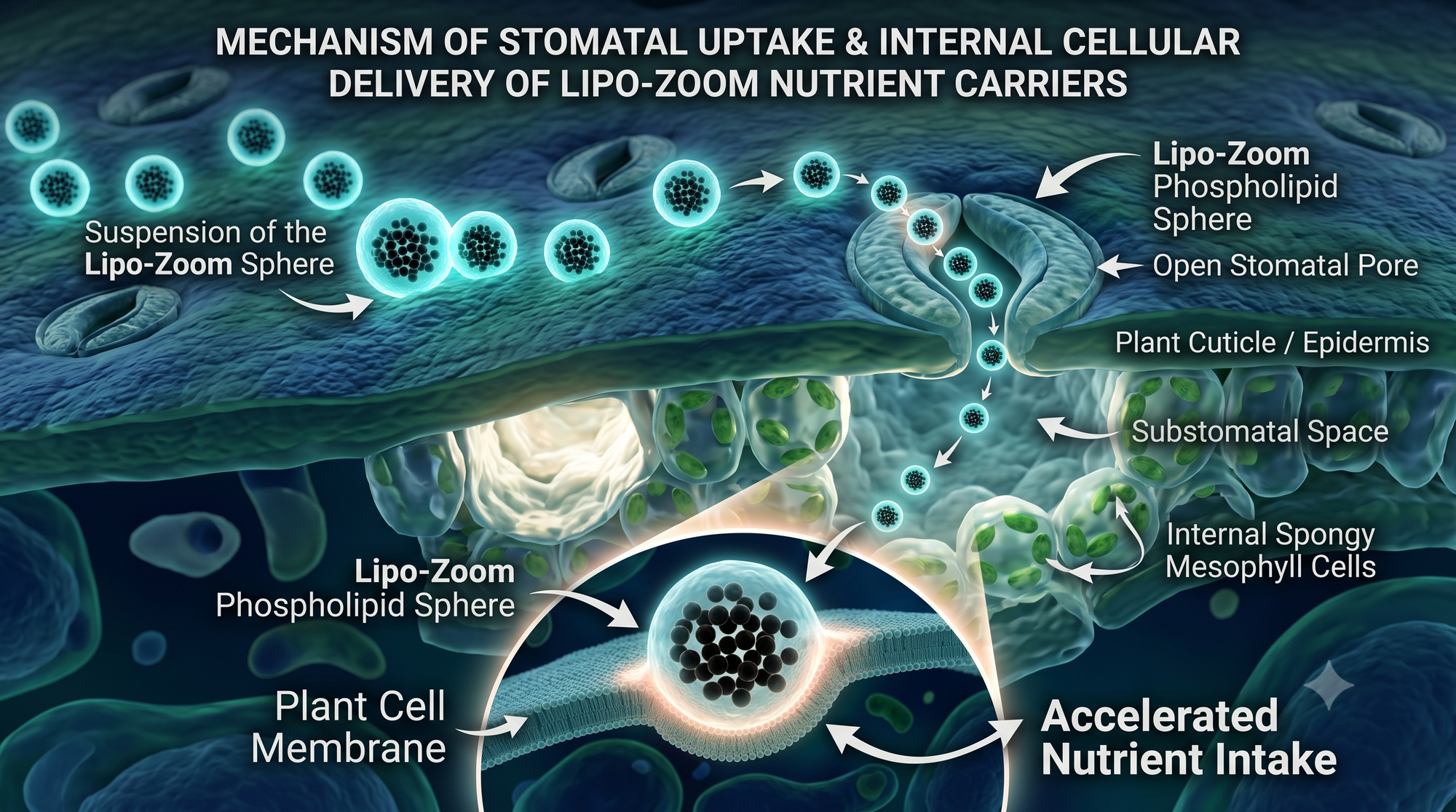
2) Secondly, we have added an activator to our wood vinegar to further enhance performance. We are soon to release a revolutionary new input, called Lipo-Zoom. This is a phospholipid material that encapsulates the mother material and then smuggles it into the cell more efficiently. It is the same principle as Liposomal vitamin C, which is by far the best means of oral supplementation of this key protective vitamin. The cell membranes of plants and humans comprise phospholipids, and there is a “like attracts like” phenomenon at work when you wrap that fat bubble around a nutrient or a chemical. The cell membrane, through which things move into the cell, signals, “come to me, come to me”, and the embrace of the fats by the cell membrane increases the uptake of whatever the lipid is delivering.
Lipo-Zoom is included in the ACC formula to further increase the multiple benefits of wood vinegar.
NOW, HERE'S THE BIG ONE!
3) Perhaps the single most important difference between ACC and all other wood vinegar products relates to the fact that it can be safely applied at much higher rates than any other wood vinegar option. That means you can deliver much higher rates of all these beneficial compounds with a much bigger impact.
I have personally experienced this dose rate limitation. I was trialling products before the advent of ACC, and I stupidly foliar-applied wood vinegar at a dilution of 1:200 instead of the recommended 1:400 rate. Thankfully, that foolhardy trial only involved a single 100-meter row of tomatoes, which sizzled up and died within days. ACC has been applied at a dilution of 1:20 with no evidence of burning. Think about what this means. If you are a broadacre farmer seeking to boost yields or dissuade pests, you were formally limited to just 300 mls of wood vinegar in 100 litres of water per hectare (based upon 1:300). Now, you can safely apply as much as 5 litres in 100 litres (17 times more), and there is an obvious associated increase in crop response.
Activated Char Condensate (ACC) Trials
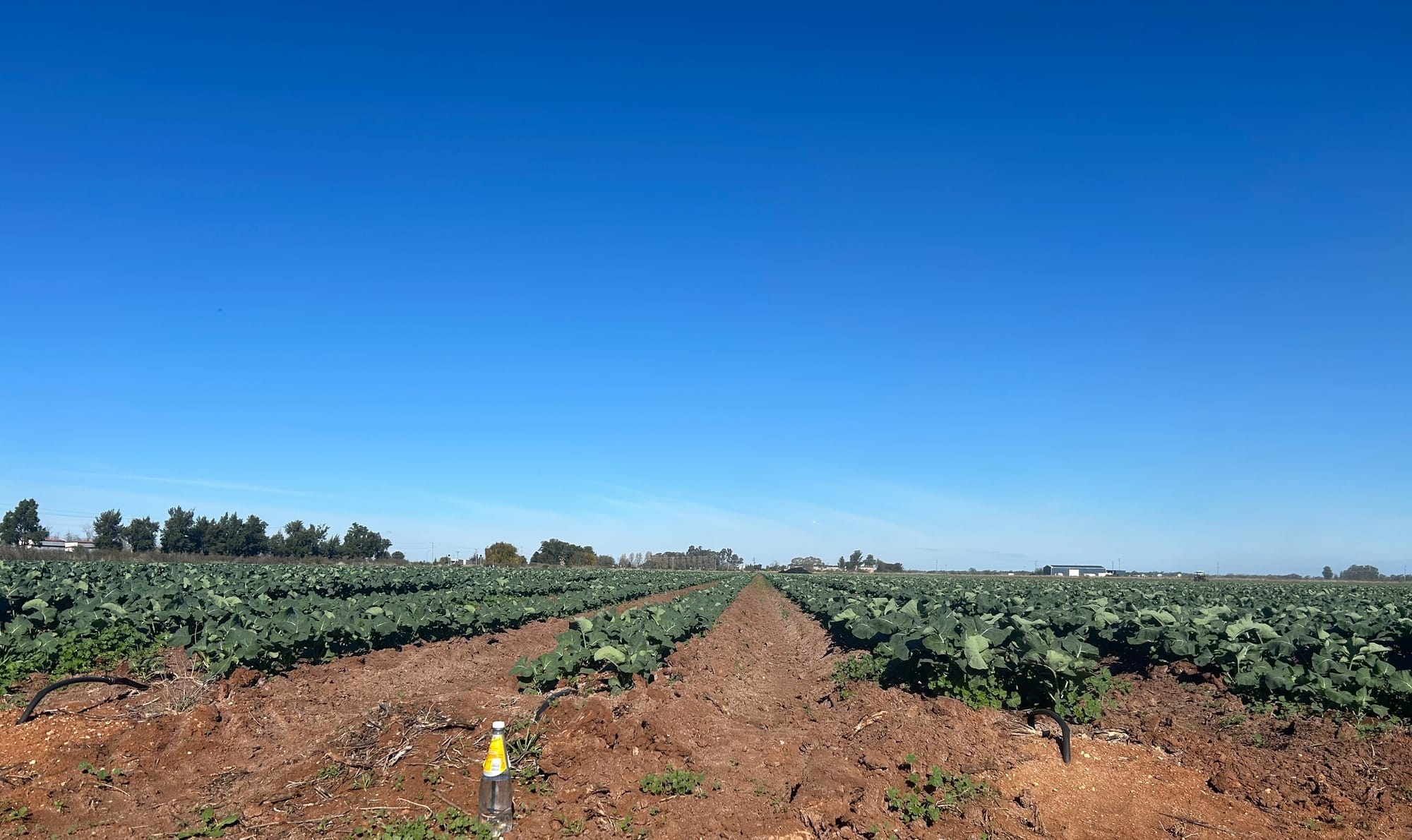
Plants to the left of the bottle are untreated. To the right, the plants have been fertigated with 10 L/ha of Activated Char Condensate (ACC).
The treated plants have had two applications. The first at planting, and the second 4 weeks later. This photo was taken 7.5 weeks after planting.
Treated plants at the time of this photo had an average of 18.8 leaves. Untreated plants had an average of 13.4 leaves. The plants treated with ACC are roughly 30% larger.
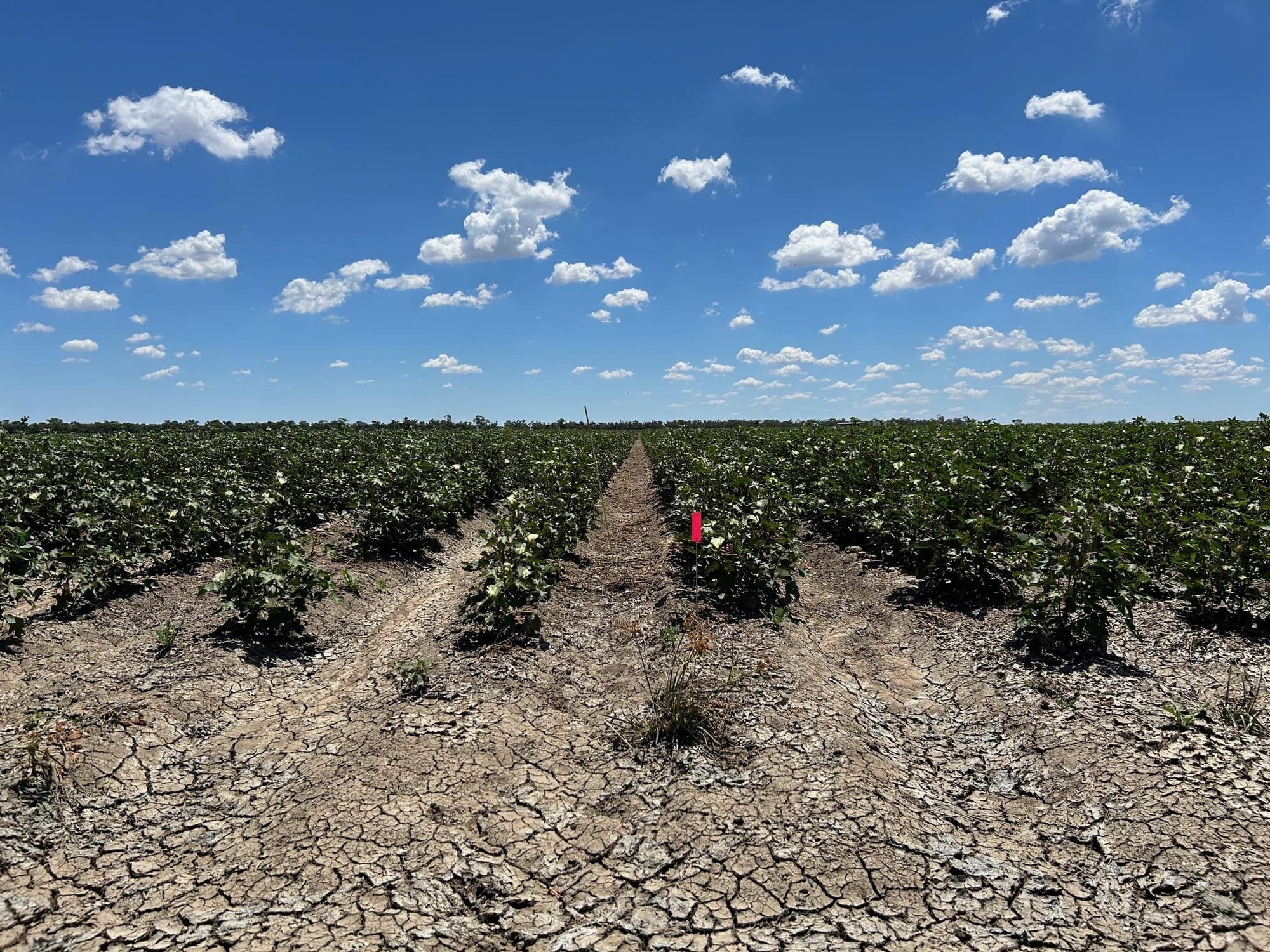
Cotton plants to the right of pink peg; Treated with 7.6L W-V/Ha at sowing.
10% more advanced than the untreated left at week 10.
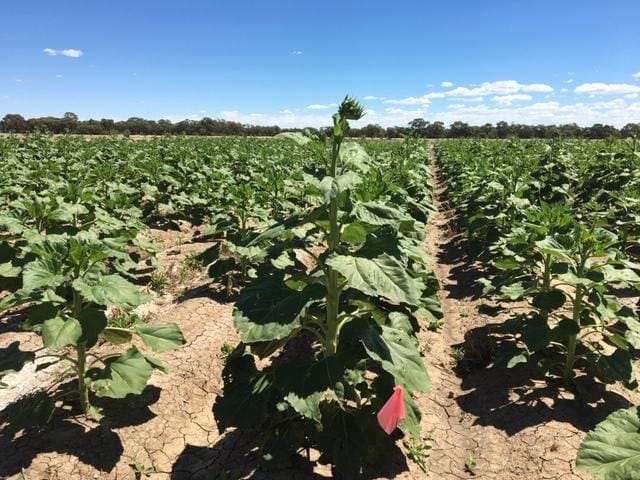
Head emergence 10 days advanced on untreated sunflowers.
Treated sunflowers yielded 20% more at harvest.
ACC introductory Special
In association with this ACC update, we are offering a 20% discount on all package sizes (from 1 litre bottles to 1000 litre shuttles). This special runs for the full month of July.
This is to encourage you to experiment with this wonderful input.
Please call customer service at 07 5472 9900 if you have questions or would like to place an order. You can also order online at www.nutri-tech.com.au
Wishing you every success
Warm regards
Graeme
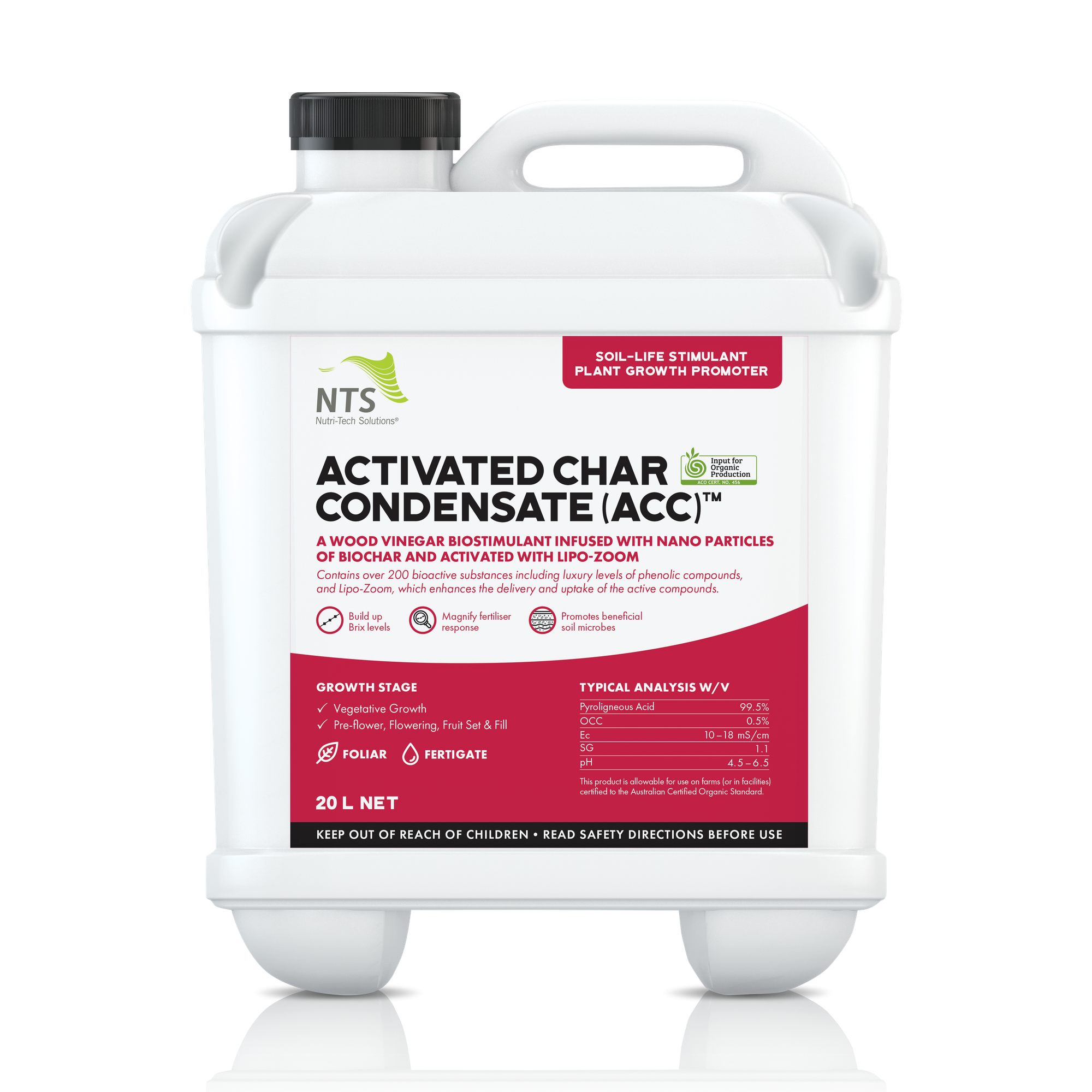
Activated Char Condensate (ACC)™
Wood vinegar is the smoke condensate collected during the manufacture of Biochar. It contains a vast array of bioactive compounds, including acetic acid (hence the name).
Research has demonstrated a plethora of benefits from this phytochemical concentrate, including enhanced pest resistance, plant growth promotion, and soil life stimulation. In fact, wood vinegar is destined to become an essential tool in the progressive, regenerative approach.
Activated Char Condensate (ACC), from NTS, represents a genuine breakthrough in wood vinegar formulation. Many studies suggest a synergy between wood vinegar and Biochar, and this potent liquid is the first product capitalising on that synergy. The rich dark hues relate to the presence of Biochar nano particles.
The term “activated” relates to the addition of a substance called LipoZoom. This is the first time that the liposomal technology, which promotes unparalleled nutrient delivery in human supplements, has been applied in agriculture.
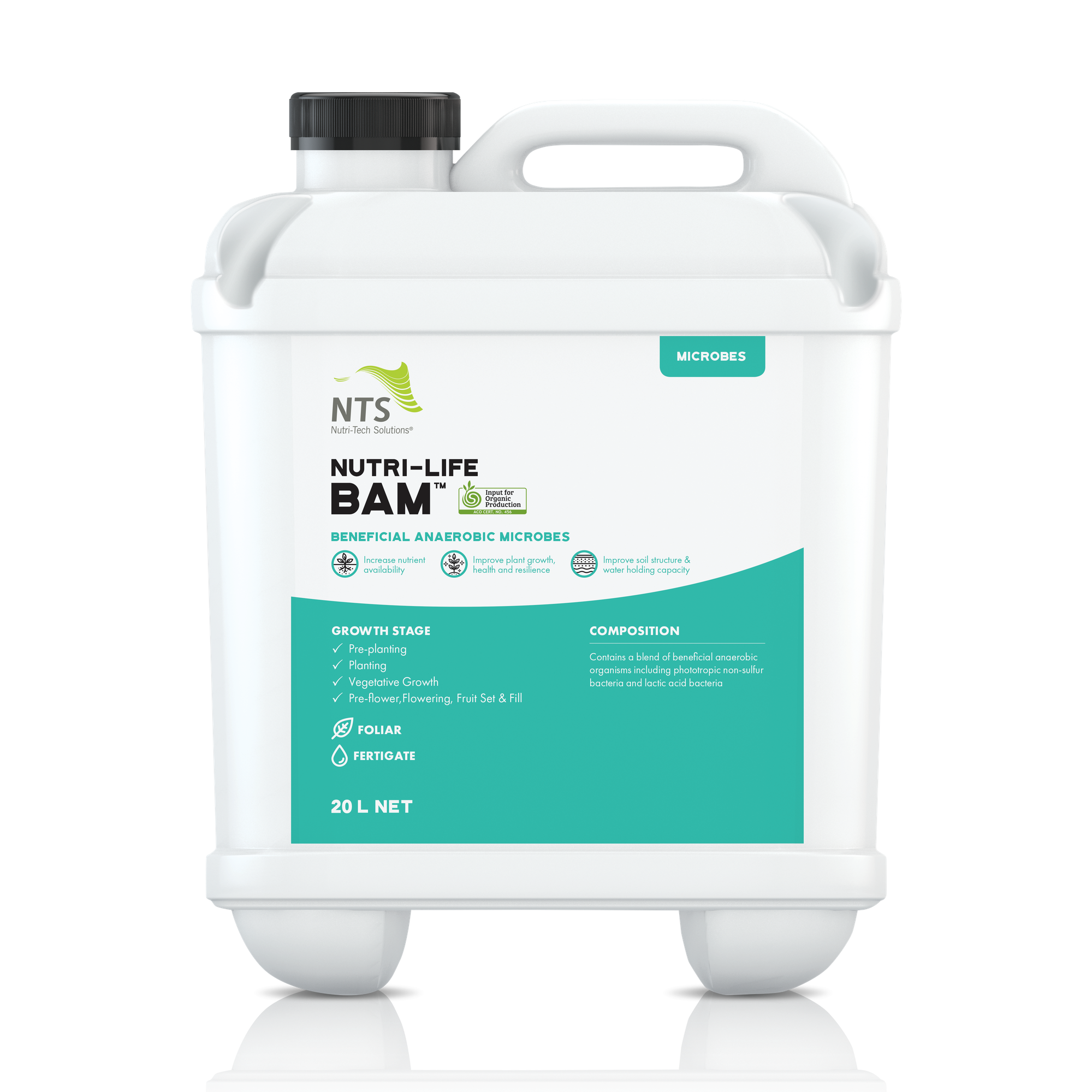
Nutri-Life BAM™
Multipurpose blend of anaerobic species for soil, compost and plant health.
This breakthrough probiotic blend contains lactic acid bacteria and purple non-sulphur bacteria, plus beneficial yeasts and microbial exudates.
Click here for Seed Treatment Instructions with Nutri-Life BAM™.
Key Performance
- Improve plant growth, health & resilience
- Increase nutrient availability
- Improve soil structure & water holding capacity
To order or learn more, call NTS on (07) 5472 9900 or email sales@nutri-tech.com.au.
Certificate in Nutrition Farming
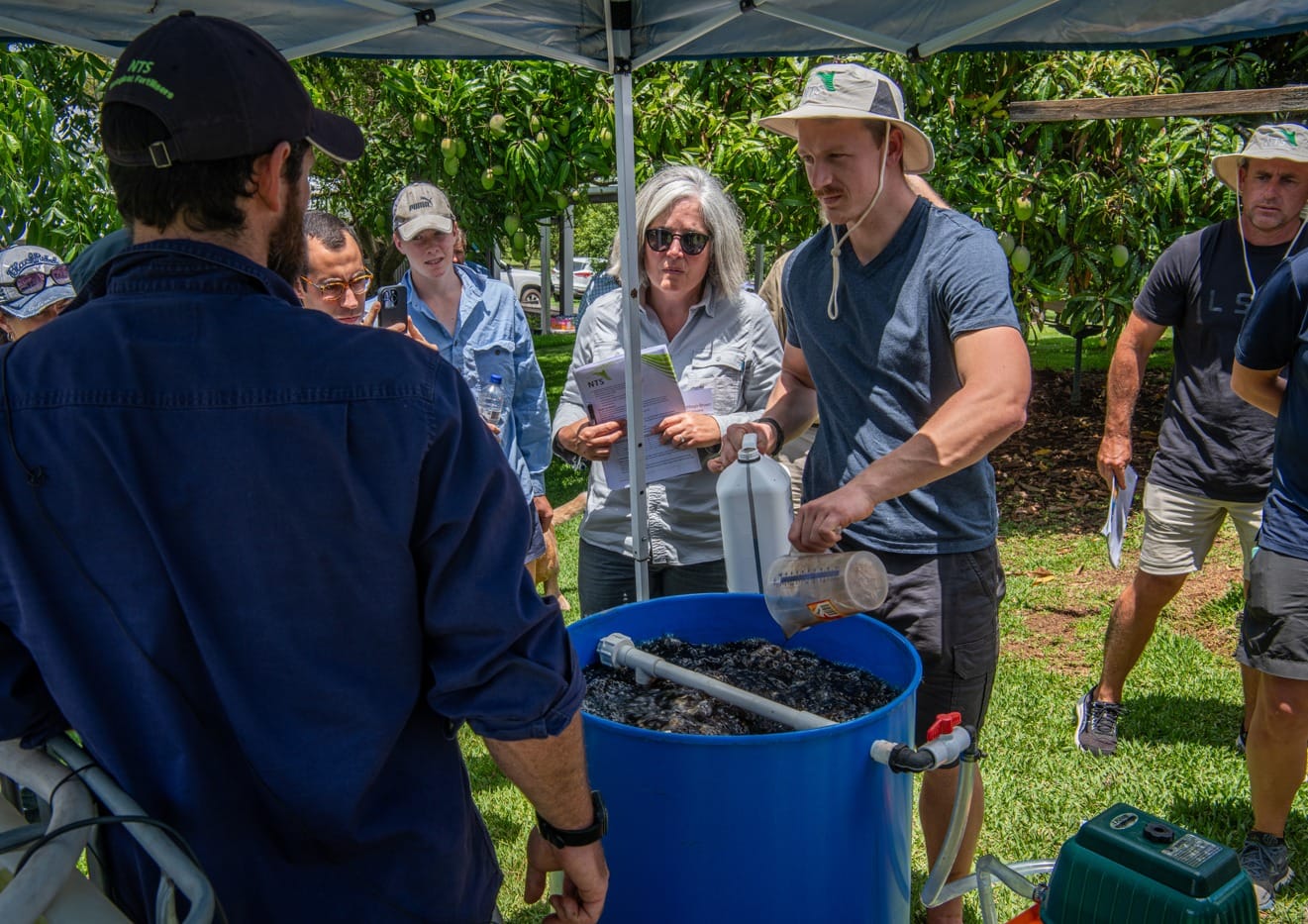
Our next iconic, five-day Certificate in Nutrition Farming® course is scheduled for Monday, 13th - 17th July 2026.
Did you know that government subsidies are available for farmers via the Farm Household Allowance? Check it out here... https://www.servicesaustralia.gov.au/farm-household-allowance
Our last course was attended by growers and consultants from six countries. It was a wonderful learning opportunity where attendees enjoyed a wealth of education and inspiration from both our presenters and their fellow attendees. We only accept 40 bookings for these courses, so please register if you would like to attend.