Nurturing The Breath Maker - Mastering Calcium, Magnesium, and Soil Gas Exchange 🌱


By Graeme Sait
You may have heard about the importance of the calcium-to-magnesium ratio in the regenerative agriculture circle, but perhaps you have wondered just why it is emphasised so strongly. This ratio ranks as the single most significant of mineral relationships, for good reason. It’s all about soil structure, your soil's capacity to breathe, and the availability of key cations.
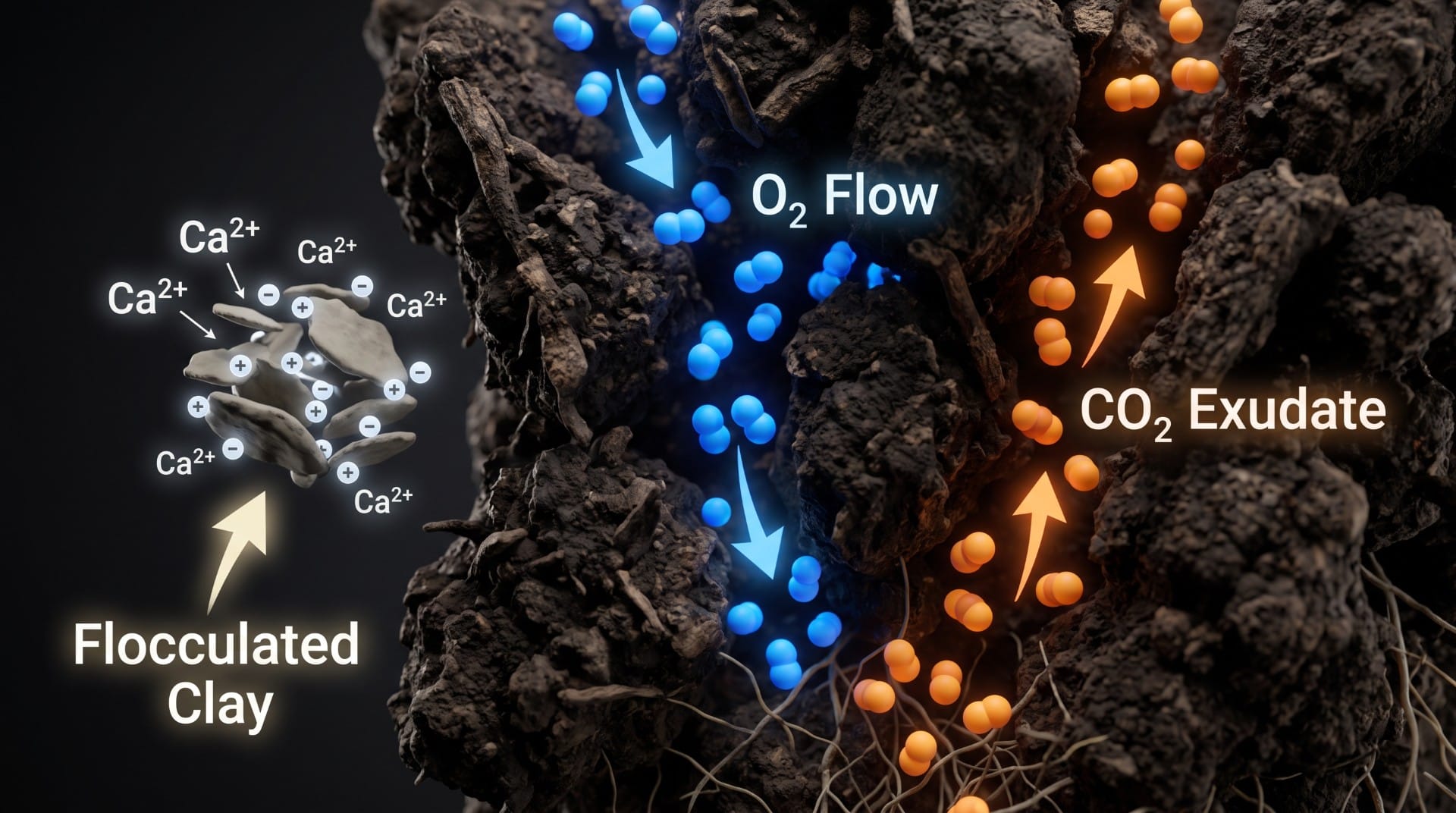
Calcium flocculates soil to facilitate the entry of oxygen, the most important of all elements for healthy plant growth. This all-important oxygen is used by the plant roots, and the army of organisms surrounding those roots, awaiting their daily glucose feed. Then, both the roots and that army breathe out, and this CO2 out-breath drifts from the root zone into the tiny pores on the underside of the leaf.
There, in conjunction with water and sunlight, we have the basis of photosynthesis, the most important process on the planet. This movement of oxygen into the soil and the subsequent exit of CO2 is called gas exchange, and the better you manage this process, the better you do.
Calcium and magnesium have a unique relationship where one can displace the other from the clay colloid, where they are stored. This happens on a one-to-one basis until balance has been achieved, and then it slows right down. It’s almost as if this desirable balance is a natural law, and the message, “we’re there now, mate”, goes out when optimal balance has been achieved.
From a structural perspective, calcium opens up a soil, but high magnesium has the opposite effect. High magnesium tightens the soil, where you have platform shoes in the wet. You might have a “Sunday soil” where you work the soil on Saturday and then plant it on Sunday, because, by Monday, it is already hardening up.
Nitrogen use efficiency
A high magnesium soil, struggling for breath, will always require more nitrogen to achieve the same outcome. In fact, it can require 50% more N to get the same yield.
There are a couple of things at play here;
1) Nitrogen-fixing bacteria have a particular hunger for oxygen. In fact, the free-living nitrogen generators, azotobacter, are the most aerobic creatures on the planet.
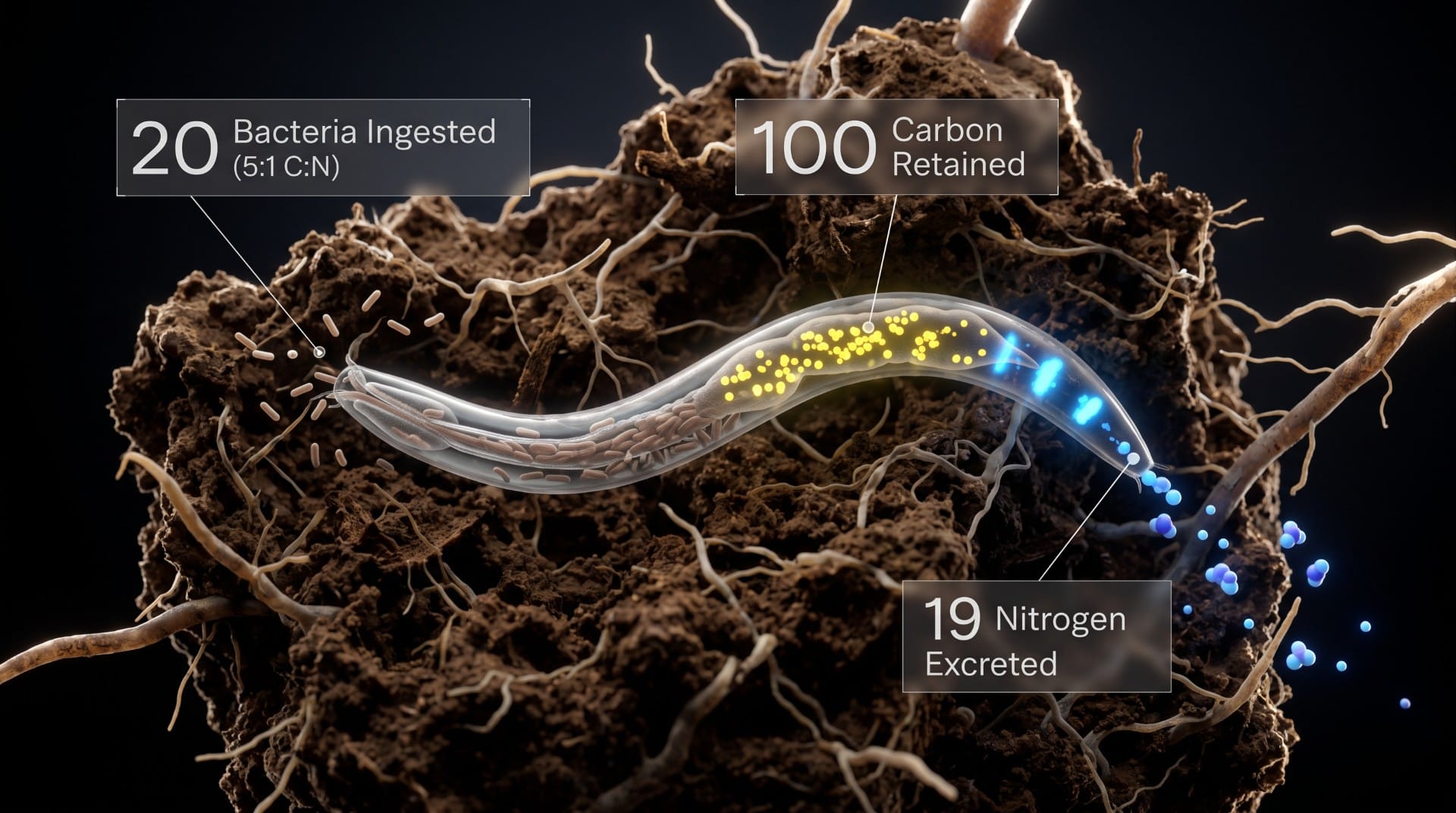
2) Nitrogen cycling slows considerably in a tight, closed soil because some of the nitrogen mineralising creatures struggle in these soils. Beneficial nematodes, for example, have a 100 to 1 carbon to nitrogen ratio. They are genetically keyed to maintain this ratio. A nematode must consume 20 bacteria with a 5:1 C:N ratio to get its 100 units of carbon. However, they only need one unit of N, so they spit out the excess 19 units from those 20 bacteria, and the plants sing, “You beauty! Now these beneficial nematodes hate compacted soils, so they soon disappear, and so does their nitrogen cycling function.
3) Adequate calcium is hugely important for root growth, and if those roots are compromised, that plant is less capable of accessing sufficient nitrogen from the soil. High magnesium reduces calcium uptake.
In a world with escalating nitrogen prices, it can be particularly productive to optimise nitrogen use efficiency by improving your calcium to magnesium ratio.
Ratio rationale
The first thing to understand is that you don’t need to perfect this ratio to benefit. You might have a heavy clay soil where the ideal ratio is 7:1, but you have a 1:1 ratio. What we see in this scenario is measurable benefits at every stage of the journey. If you can only afford to move your 1:1 ratio up to 2:1, you will be rewarded for your efforts.
A second consideration relates to light sandy soils. Here, you forget about base saturation ratios altogether, and in a CEC below 5, you simply shoot for 500 ppm of calcium and 120 ppm of both magnesium and potassium. This is the functional amount of these three cations that truly delivers in light soils.
Correction Guidelines
Here are some tips to help you improve your ratio most cost-effectively:
1) Gypsum is calcium sulphate. In the soil, these two minerals ionise (they break apart), and the newly liberated sulphate forms magnesium sulphate and sodium sulphate. These happen to be the most leachable forms of these two minerals. Hence, the term “the clay breaker”, that is often applied to the soil conditioner, called gypsum.
However, there are problems if gypsum is over-supplied because there is the potential to remove more than what is intended. Gypsum can help demineralise your soil if it is misused. The associated sulphate excess can also impact the uptake and availability of the other major cation, phosphorus. i.e., Sulphur can antagonise the uptake of P.
This is a high price to play and this is why we try to achieve and maintain a 1:1 phosphorous to sulphur ratio. When these two minerals are at equal ppm in the soil, we find that there is maximum uptake of both (i.e., 50 ppm of P works best with 50 ppm of S).
The rule of thumb here is to never apply more than 2.5 tonnes of gypsum per hectare (1 tonne per acre) in a single application.
A combination of gypsum and lime is often the best approach to improve the cal/mag ratio. The gypsum moves out some of the excess magnesium, and the lime (with twice the percentage of calcium found in gypsum) can serve to displace magnesium from the clay colloid, to complete the job. This relates to the phenomenon I mentioned earlier, where calcium can displace magnesium on a one-to-one basis. i.e., if you apply the equivalent of 10% calcium base saturation, 12 months later, you will note the displacement of 10% magnesium, detached from its clay storage place.
2) Root zone management - If it is not financially feasible to apply appropriate amounts of either of these correctives, then there is a much less expensive option. Here, you can fertigate, or liquid inject, micronised versions of gypsum or lime directly into the root zone, to make an impact where it really matters. That’s what’s made our Gyp-Life product one of our top five sellers around the globe.
3) The biological link - let’s now look at how biology might help nurture the breath maker. The key creatures here are beneficial fungi. They create the larger aggregates, which are the basis of crumb structure, the most desirable of all soil conditions. However, we can never take it for granted that this workforce is poised for action in our soils, because most soils are seriously lacking these organisms. A Microbiometer measures the fungi-to-bacteria ratio, so it will give you an indication of your fungal status. In most cases, you will find you are lacking fungi, and the next question becomes, “How can I improve my fungi-to-bacteria ratio?. This ratio is the other half of the story when optimising gas exchange.

One of the most effective simple strategies to improve you fungi to bacteria ratio involves introducing more legumes, in pasture, beneath cereal crops, and within cover crop mixes. Legumes produce acid exudates, which create the preferred lower pH habitat for fungi to proliferate. At least you hope that’s what they are doing!
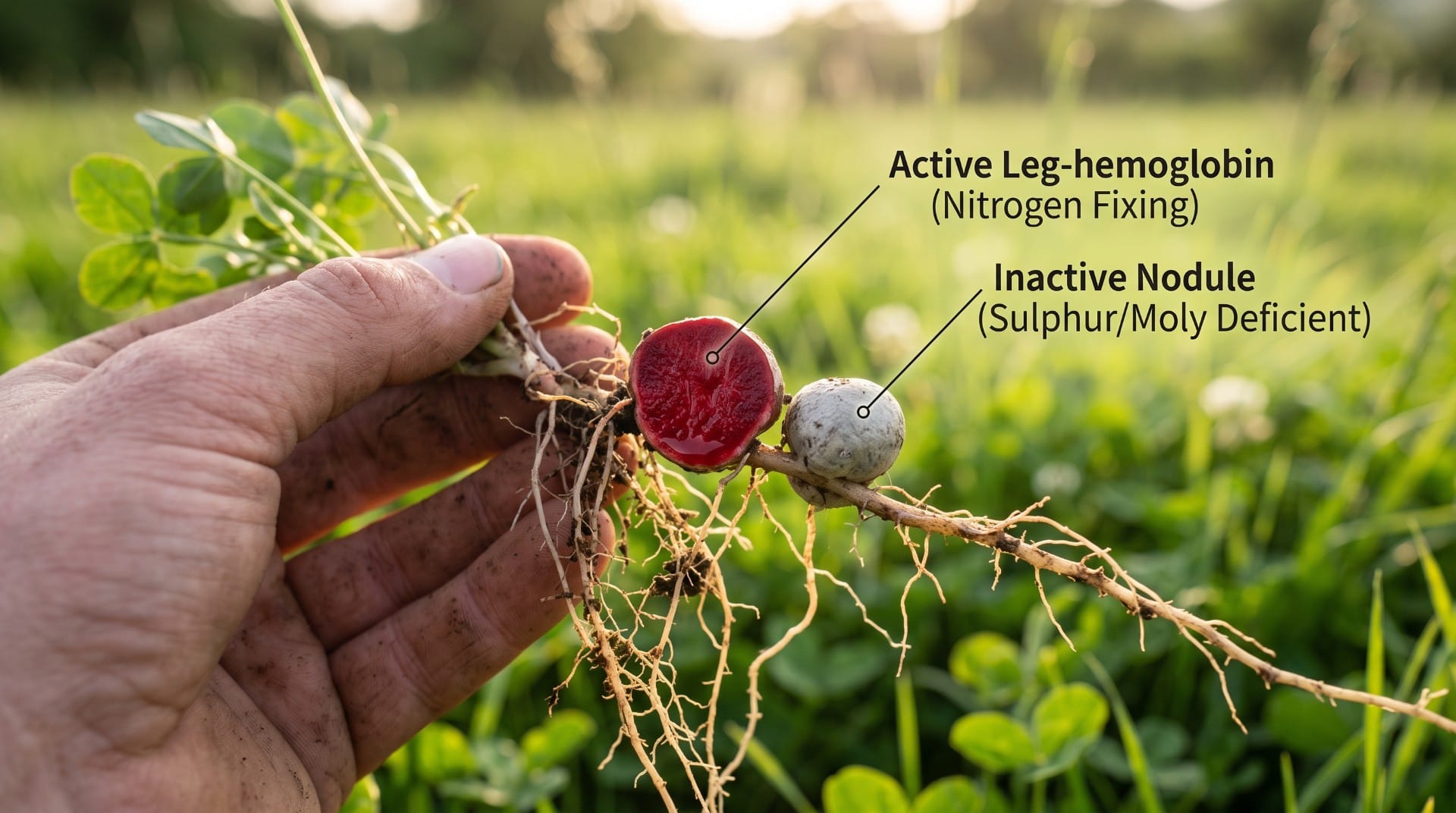
Here’s a really important message that’s not well understood amongst many consultants and farmers. You need to be checking your legumes for nodulation, and you need to know that those nodules are red within. Over half the fields I walk, house legumes with no nodules, or no blood. There is a huge price to pay here because your legume becomes more of a liability than an asset at this point. Let me explain:
The lack of nodules is commonly related to a lack of sulphur, although zinc and iron deficiency can also play a role. Most soils are sulphur-deficient because we no longer harvest free sulphate from industrial sulphur emissions, and we have lost much of the humus that is the storehouse for sulphur in the soil.
The reddish coloured pigment within the nodule indicates whether or not that plant is fixing nitrogen. This substance is appropriately called leg-hemoglobin, and it is, in effect, the blood that determines most of the beneficial characteristics of legumes. If your nodules are an anaemic grey colour, you are not accessing any of the 5000 truckloads of urea hovering above every hectare. However, there is another negative outcome. Your legumes are also not creating the acid exudates that break the bond between locked-up calcium and phosphate in your soils. This is a huge role of legumes, and it is critically important for the cereal crop above the clover, or the grasses and cereals in pastures and cover crops. Calcium and phosphorus are the two most important minerals for the most important of all plant processes, photosynthesis. It is a serious issue when legumes lose this bond-breaking side-effect…
Explaining the cause and effect
If you know my work, you will know that I like to explain exactly how things work. I imagine this might sometimes be annoying for the time-starved amongst you who might prefer the dumbed-down version. Hard luck, my friends. I’m dishing up the complete story, once again, because it makes me feel that I’ve done a good job.
So, let’s explain why the plant releases these beneficial acid exudates. It relates to the fixation of ammonium nitrogen within the legume. When a plant uptakes a cation, like ammonium nitrogen, it must release a cation to maintain electrical balance. There would be no point in taking in one cation required for nutrition and releasing another food source, so the plant always releases a non-nutrient cation called hydrogen.
Hydrogen is the acid element that determines low soil pH, but here it relates directly to the acid exudates. If you are not fixing nitrogen and stimulating this hydrogen release, you are unable to release locked-up calcium and phosphate, with these acidic exudates, but, more importantly, you do not create the acidic home base for fungi.
I’m hoping that you now recognise that it’s pretty damn important to have blood within your nodules, so why is it so often missing?
That comes down to a little neglected trace mineral called molybdenum. Molybdenum is missing in 8 out of ten soils we test, and it is required for the nitrogenase enzyme that catalyses the conversion of atmospheric nitrogen into ammonium nitrogen. Only small amounts are required, and shortages can be addressed with seed treatment, liquid inject and/or foliar applications.
The second suspect in bloodless nodules is boron, and sulphur can also play a role. Molybdenum, boron and sulphur are lacking in most soils, so it is no surprise that our legumes are compromised.
As mentioned, the biggest outcome from this lack of leghemoglobin and the associated acid exudates is the impact on fungi and their creation of crumb structure. In this particular “house that Jack built”, a sulphur shortage limits nodule development, and missing molybdenum prevents the blood, which creates the acid exudates that feed the fungi, which solubilise the calcium and phosphate that live in the house that Jack built. That’s a pretty strange nickname for God, but you get the picture. The essence of Nutrition Farming is to work with the perfect blueprint, to understand these interrelationships, and to increase your profitability.
4) Humates are the 4th strategy to boost fungi, to aggregate your soil and to improve gas exchange. Humic acid, in particular, offers multi-level benefits. Humic acid is the most powerful stimulant of all-important fungi, and it buffers the negative impact of sodium, which can accumulate in a closed, tight soil. Humic acid has also been shown to be a soil conditioner that can seriously improve soil structure and associated gas exchange.
5) Beneficial anaerobes like the NTS product, BAM, can be seen as pioneer species in a heavy soil with a poor calcium-to-magnesium ratio. These soils struggle to breathe, so a consortium of organisms that thrive without oxygen can pave the way in terms of biological improvement of soil structure. BAM can be easily brewed on the farm to make it a super cost-effective soil conditioner. It is no accident that BAM has become our most popular microbial product. The DIY on-farm multiplication is producing an end-product costing just 5 cents per litre (based on a second brew). The brewed product has a shelf-life of 2 years, so it can be added to everything when putting “the microbes behind the minerals”.
6) Countering Magnesium excesses - it is far more common, in Australian soils, to see excesses of magnesium rather than calcium. The correction with lime and gypsum is not immediate, and there are some key things you can consider to optimise production in the interval. The key antagonistic impact of this common magnesium oversupply applies to both calcium and potassium. The uptake of both of these key cations is negatively affected by too much magnesium. The secret here is to bypass the soil and apply both minerals directly to the leaf. We have found that there are some key synergists that further enhance the foliar delivery of both minerals. Here is a super productive recipe for all crops.
Foliar recipe to counter high magnesium
Include the following in your mixing tank or spray tank.
1) 2 to 3 Kgs of Calcium Acetate per hectare (available from NTS)
2) 8 kgs of Potassium sulphate per hectare
4) 500 grams of FulvX per hectare
5) 1 litre of Amino Tech per hectare
6) 50 mls of Nutri Stim triacontanol per hectare
This recipe contains chelating agents, biostimulants and the remarkable plant growth-promoting power of triacontanol. If you are not familiar with this input, it may be time to experiment. Triacontanol promotes every aspect of photosynthesis and delivers a profound, but inexpensive crop response (50 mls costs less than $4)
In summary…
A soil that breathes well is a soil that delivers profitable, problem-free farming. The breath maker involves managing two key ratios, the calcium to magnesium ratio and the fungi to bacteria ratio. If water is pooling on your paddocks, that is a symptom of a poor cal/mag ratio, an inadequate fungi to bacteria ratio, or both. It is eminently fixable! Gypsum, lime, micronised minerals, humates, foliar calcium and potassium, and beneficial anaerobes can counter high magnesium and your tight soil, struggling for breath, can revel in the infusion of all-important oxygen.
Wishing you all a busy, productive spring. We are frantically preparing for ginger, turmeric, and yacon plantings at both farms and loving it!
Warm regards
Graeme

Spring into Nutrition Farming – Graeme Sait
15–18 September | Guyra, NSW
What: Spring into Nutrition Farming Workshop with Graeme Sait
Join internationally recognised regenerative agriculture educator Graeme Sait (Nutri-Tech Solutions) for an intensive four-day workshop on the science of regenerative farming. Topics include mineral balancing, soil biology, plant nutrition, livestock health, and practical on-farm strategies to reduce input costs. Ideal for farmers, graziers, agronomists, consultants, home gardeners, and anyone passionate about soil and plant health.
When: Tuesday, 15 September – Friday, 18 September, from 9:00 am to 4:30 pm daily
Where: Guyra Scouts Hall, 18 Nincoola St, Guyra, NSW
Cost and registration:
Tickets: $750 for the first attendee, $375 for each subsequent attendee (from the same business). Scan the QR code on the event flyer to register.
For inquiries, contact Elizabeth Rosser at 02 6772 9123 or via email at elizabeth.rosser@snelandcare.org.au.
Calcium Acetate
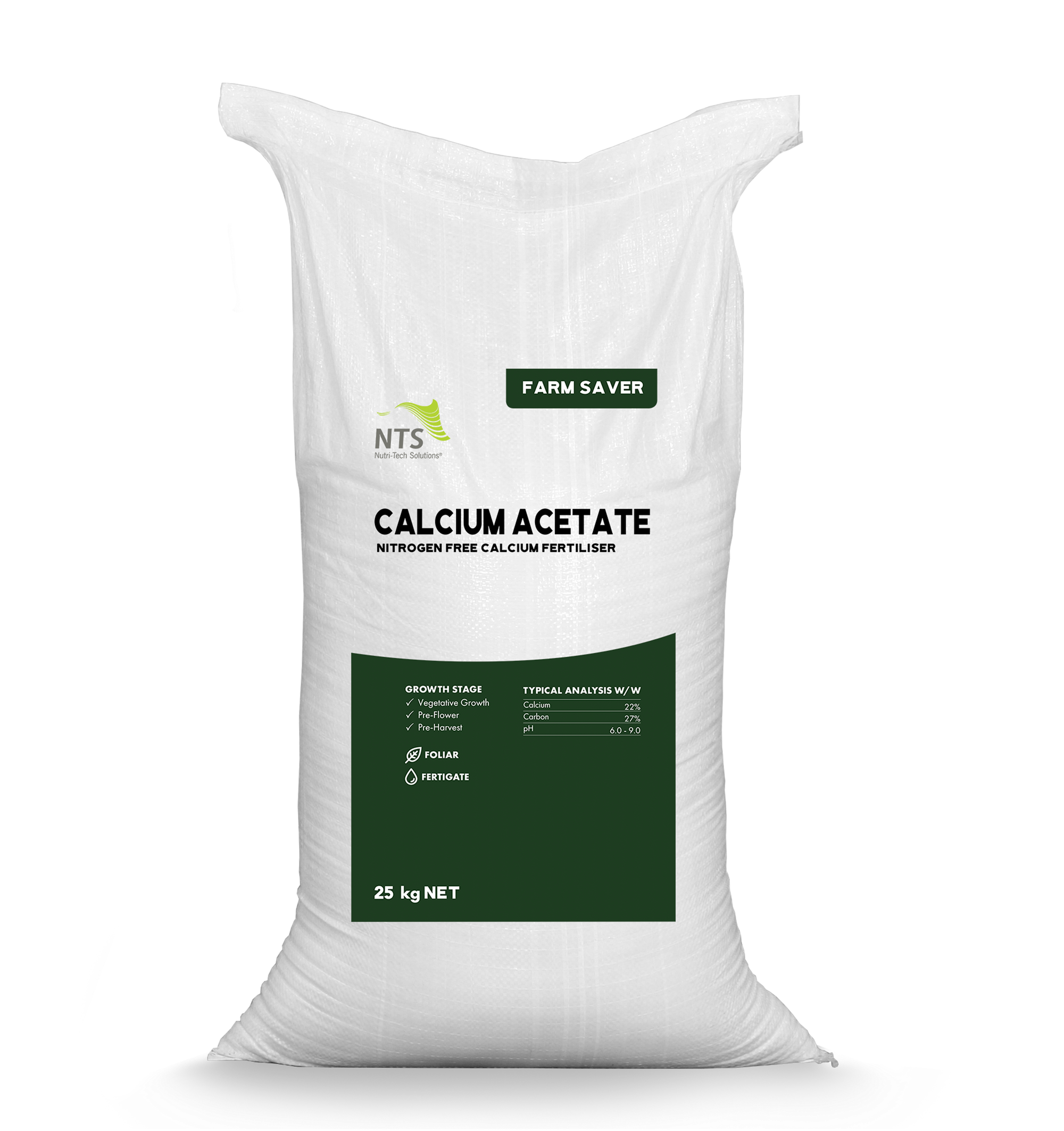
NTS Farm Saver Calcium Acetate is a high-analysis soluble powder designed to deliver superior plant-available calcium without forcing unwanted vegetative growth.
It consists of 22% soluble calcium combined with 27% organic carbon derived from acetic acid, which stimulates soil microbes and converts to acetyl-CoA inside the plant to fuel key defence pathways. NTS Farm Saver Calcium Acetate is biologically compatible and free from nitrate nitrogen, providing a lower burn-risk calcium source for foliar and fertigation applications.
Product Benefits
- Nitrate-Free Nutrition: Delivers high-analysis calcium without triggering nitrate-induced nutrient dilution or unwanted late-season growth.
- Enhanced Plant Immunity: Contains 27% organic carbon to stimulate soil life and drive secondary metabolite synthesis via acetyl-CoA.
- Superior Fruit Quality: Improves cell wall strength, fruit firmness, and shelf life while preventing disorders such as bitter pit and blossom-end rot.
- Biological Synergy: Lower salt index and reduced leaf scorch risk, with ideal compatibility for humic acids, kelp, amino acids, and microbial inoculants.
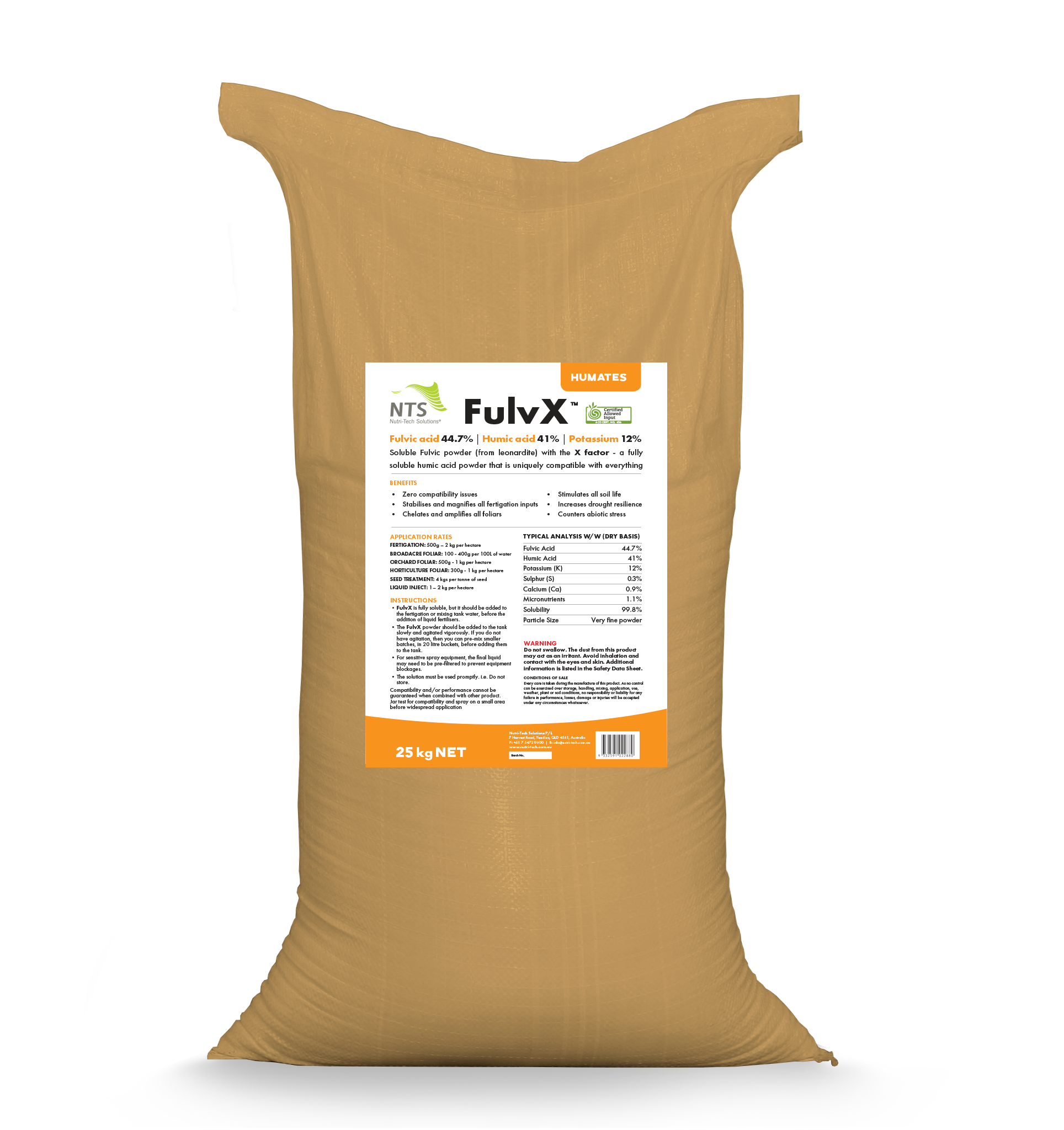
NTS FulvX™ Powder
Soluble Fulvic Powder (from leonardite) with the
X factor - a highly soluble humic acid powder that is highly compatible with most inputs.
It is highly soluble, ACO-approved and completely versatile. It can be used with phosphate, sulphate or nitrate-based inputs, in liquid inject, or as foliars—the perfect additive for fertigation to stabilise and magnify almost all fertiliser inputs.
NTS FulvX™ Powder delivers a wide range of benefits,
- Chelation - Both humic acid and fulvic acid increase nutrient uptake via cell sensitisation.
- Hormone-like stimulation - Both humates are well documented to deliver a pronounced plant growth response that closely resembles the three key phytohormones driving many plant processes: auxins, cytokinins and gibberellins.
- Increased P availability - Humic acid and fulvic acid have both been shown to increase the release of phosphate from locked-up sources.
- Abiotic stress tolerance - In a warming world where environmental extremes abound, there is no shortage of plant stress, and anything that can help counter this stress becomes an essential tool.
To order or learn more, call NTS on (07) 5472 9900 or email sales@nutri-tech.com.au.
Certificate in Nutrition Farming
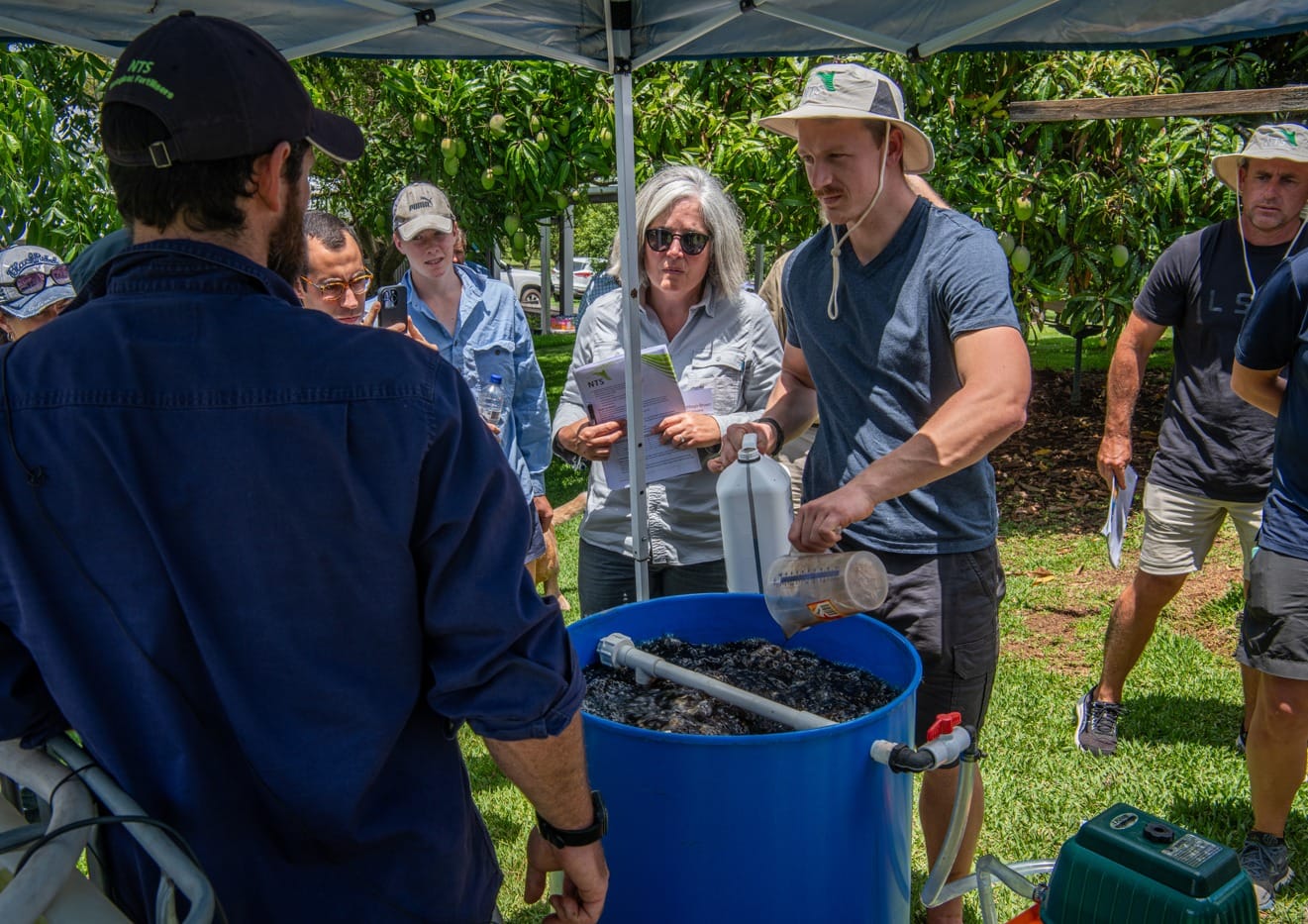
Our next iconic, five-day Certificate in Nutrition Farming® course is scheduled for November 2026: Monday 2nd - 6th.
Did you know that government subsidies are available for farmers via the Farm Household Allowance? Check it out here... https://www.servicesaustralia.gov.au/farm-household-allowance
Our last course was attended by growers and consultants from six countries. It was a wonderful learning opportunity where attendees enjoyed a wealth of education and inspiration from both our presenters and their fellow attendees. We only accept 40 bookings for these courses, so please register if you would like to attend.