🌱Amazing Aloe - For The Health of Your Farm and Your Family 🦠


By Graeme Sait
In this offering, I will discuss a plant that should ideally be part of every wellness garden. It’s a succulent that Christopher Columbus included in his list of five food essentials for health and longevity. It is absurdly easy to grow and propagate, and it has so much potential for human, animal, soil and plant health.
Let’s look at the animal and human health benefits before I detail the many ways it can benefit your crops and soils.
From a personal perspective, I use Aloe Vera on the home farm as a painkiller. This subtropical farm houses a number of jumping ant nests, and these guys are super aggressive. They pour from their nests at the slightest disturbance and mercilessly attack the intruder. Their bite is more painful than a bee sting, and the burning, itching after-effect is also unpleasant. When bitten, I rush straight to the aloe patch, break off a leaf and rub the inner gel into the bite site. It takes about 20 seconds for the pain to subside. If you get it early enough, there is no ongoing allergic effect. That pain-killing effect, which extends to sunburn and other skin irritations, is based upon the rich lode of salicylic acid found in this plant. Salicylic acid is what the chemists copied to make aspirin, and Aloe is one of the richest sources of this natural painkiller. We will talk later about the impact of this particular substance on your crops as an immune elicitor, soil-life stimulant, and plant growth promoter.
Aloe Vera is an absurdly problem-free crop to grow. In fact, I have yet to see a disease or insect problem on my plants. They have “pups” regularly, which allows the inexpensive expansion of your plot. If you are farming livestock, the aloe plot can become an indispensable tool. It can be used as an additive to livestock and poultry feed to deliver some really special benefits.
Aloe for robust livestock
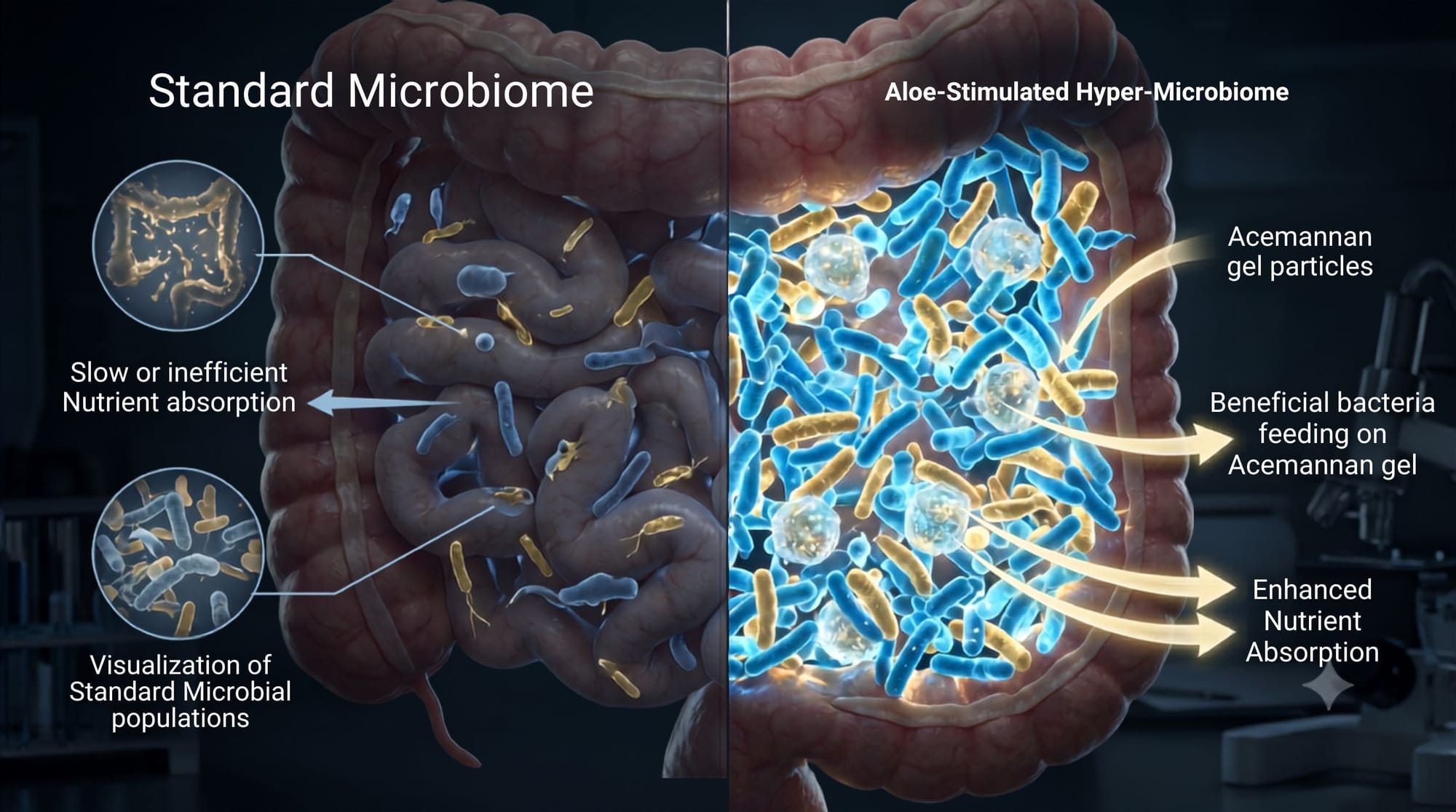
Aloe Vera has been shown to seriously improve nutrient utilisation, and it is widely used to improve intestinal health. Part of what is happening here is the prebiotic effect of the aloe gel. The inner gel of the leaf is actually more active than agar (the standard medium used for growing out microbes in the lab). It is a powerhouse biostimulant that boosts the microbiome to improve feed utilisation and gut health. Of course, gut health is directly related to the health of the immune system, and a robust animal, with improved digestion, puts on weight more rapidly.
Aloe also has potential as an anti-microbial agent that can help replace the antibiotics that have been banned in many industries. There is good research, for example, demonstrating the control of coccidiosis, one of the most destructive chicken diseases.
The most important part of aloe vera is the leaf, which is composed of two main sections: latex and gel. The gel contains over 75 bioactive substances with medicinal benefits. The main components include anthraquinones. These substances have been used medicinally for centuries, particularly in traditional Chinese medicine, where they are used as laxatives, immune enhancers and dietetics.
This immune elicitation can be a remarkable benefit for animals and humans. It can make livestock much more resilient. If you are, you can check out a comprehensive review published in the PMC database entitled "Aloe vera: A Sustainable Green Alternative to Exclude Antibiotics in Modern Poultry Production”. This study details how Aloe vera improves both feed efficiency and immunity in broiler chickens while also serving as an anticoccidial agent
The increased feed efficiency is driven by two factors. Firstly, Aloe vera contains naturally occurring enzymes (like amylase, lipase, and protease) that stimulate the breakdown of feed and promote volatile fatty acid production. This leads to better nutrient absorption and improved daily weight gain in cattle, pigs, and poultry. Secondly, this powerful prebiotic enhances rumen performance in cattle and digestive capacity in all animals and birds.
Aloe has also been shown to reduce stress and diarrhea, particularly during weaning. Check out a study published in the CABI digital library called “Dietary supplementation with Aloe vera polysaccharide enhances the growth performance and immune function of weaned piglets”. This study impressively demonstrates the ability of Aloe to mitigate weaning stress and improve average daily weight gain in pigs.
Polysaccharides make up the majority of the dry weight of the gel. The gel is 95% water, so when freeze-drying to make aloe powder, you are only getting a conversion rate of less than 1 kg of powder per 20 kgs of plant gel. That is why Aloe powder is expensive, and it also explains the potency.
Aloe and your health
The most important of the medicinal polysaccharides is acemannan. It might be of advantage to Google this substance to fully understand its potential. You will see studies related to wound healing, immunoregulation, bone proliferation, neuroprotection, anti-oxidation and cancer prevention. It has also been shown to improve lipid balance and to stabilise blood sugar. Perhaps you are beginning to understand why the ancient Greeks called aloe “the universal panacea”, and the Egyptians declared it to be “the plant of immortality”.
The internal benefits are profound, but it is also a remarkable skin tonic. One Korean study found a marked reduction in visible wrinkles after 54 days of daily application. There was also an improvement in all aspects of sun damage. It is in shaving creams to reduce razor burn and in many moisturisers due to its exceptional capacity to hydrate skin. It is a very effective treatment for both acne and cold sores, as it is both antibacterial and antiviral.
If you have your own aloe patch, you have a village pharmacy on your doorstep. The best way to consume it is to harvest a large leaf and then slice the skin and yellow latex off from one side with a fish knife or something similar. Next, you scoop out the gel with a spoon while carefully avoiding the latex or skin material. The skin is extremely bitter, and it contains the majority of the anthraquinones that confer the laxative effect. This clear gel can be added to juice or green smoothies as required. The medicinal dose is two tablespoons per day. A large aloe leaf will deliver enough gel for a week, and it should not be stored any longer than that, in the fridge, due to its microbial appeal.
If you are constipated, then you might include some of the bitter latex with the gel. You will have to grin and bear the taste, but I promise you will be rushing to the toilet shortly thereafter. Let’s now look at the soil and plant benefits linked to this wonderful plant.
Aloe - A Soil and Plant Panacea
As with many things, nutrients that improve human and animal health have a similar impact on plant and microbial health.
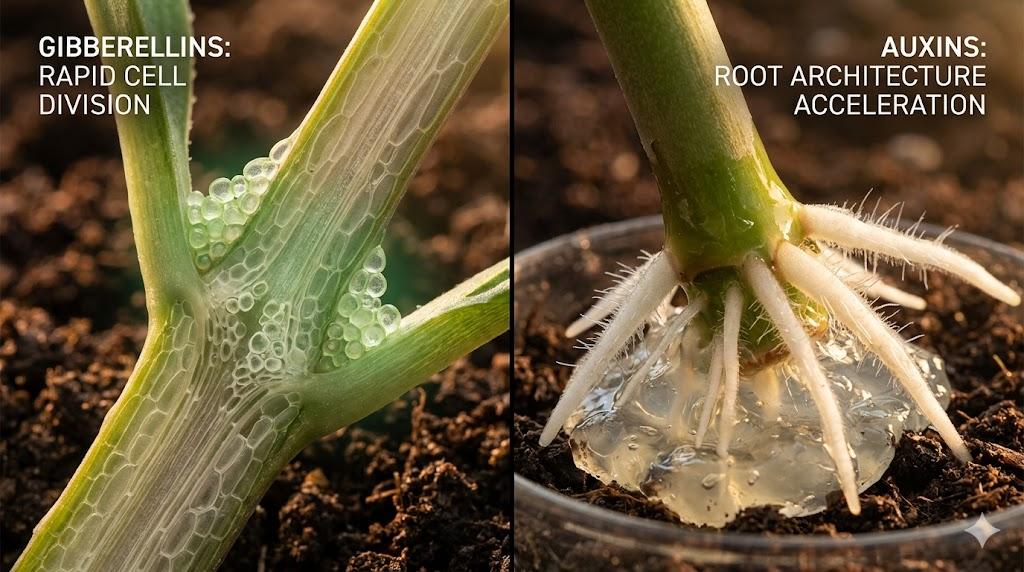
There are two hormones found in good levels in Aloe vera, which are part of its wound healing capacity, and they are of great benefit as plant growth stimulants. This includes gibberellins, which speed cell division with an obvious plant growth response. The other hormones are auxins, which are responsible for leaf size and root development. These two hormones are also part of the reason that aloe gel compares favourably with commercial rooting hormone, in terms of fast-tracking root development during propagation. Tamarillos, for example, grow well from cuttings, and they will root much more rapidly if they are dipped in aloe gel before planting.
Bio stimulation is a big part of the aloe response in the soil, and two of the substances involved have been shown to be remarkable prebiotics in terms of stimulating beneficial microbes. Acemannans, the big player in human and animal health, have been shown to be more potent than FOS (Fructooligosaccharides) in terms of a prebiotic effect.
Fructans, another major component of aloe, have been shown to be more powerful than inulin in terms of microbe stimulation. You can check out a good Chilean study called “Acemannan and Fructans from Aloe vera (Aloe barbadensis Miller) Plants as Novel Prebiotics”, authored by Maria Paz Quezada et al. Soil-life thrives in the presence of this potent bio-stimulation.
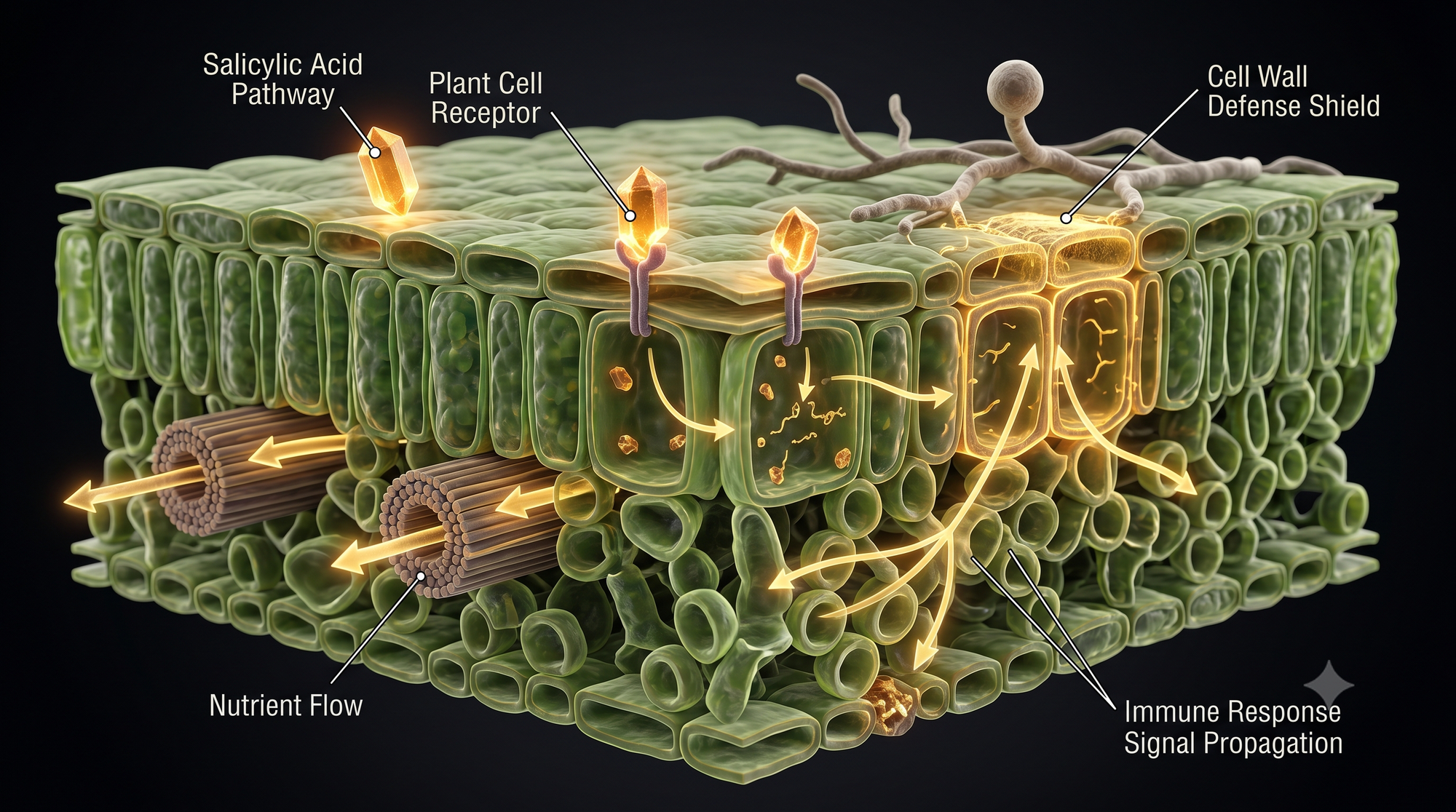
Salicylic acid, the painkiller in aloe gel, is a well-researched immune elicitor in plants. In fact, plants have a salicylic acid pathway to facilitate this immune response. As I have mentioned many times elsewhere, anything that elicits an immune response also boosts yield. This explains the fertiliser-type response reported when using our liquid aloe concentrate, called Aloe Tech. There is also good research showing that this component of aloe gel can significantly boost the plant's resilience in the face of both environmental extremes and saline soils.
Aloe also contains saponins, which reduce surface tension and magnify the performance of foliar fertilisers. They work like a natural spreader, and they have also been combined successfully with farm chemicals. This makes Aloe Tech a great adjunct to all foliage inputs.
Hopefully, you have realised now that aloe vera has considerable plant growth-stimulating potential. That's why we developed our liquid fertiliser, called Aloe Tech. It is actually a five times concentration of all of these benefits.
However, if you know my work, you will understand that I always like to provide a DIY option to help counter constant increases in the cost of food production.
There are three techniques that you might consider for a DIY aloe fertiliser.
One of them simply involves finely chopping up your aloe and soaking it in water for five days. If this were a 200 litre drum recipe, you might use a mulcher to emacerate the aloe or, if that is too messy, you might chop it up with a spade. Here, you are using one part aloe to four parts water. You then sieve the green liquid and dilute the resulting liquid aloe at I: 50 for foliar application.
The second technique involves what they call FPJ in the Korean Natural Farming approach. Fermented plant juice is created by mixing equal amounts of brown sugar and aloe thoroughly together and then leaving them for one week in a breathable container. i.e., you might fix a muslin cloth to the opening of a 1000 litre container. A layer of brown sugar is used to coat the top of the mixture before you close it up with the breathable lid. This is left for a week, and then you can drain the resulting fermented liquid from the tap at the bottom of the tank. The tank should be positioned on concrete blocks to allow easy collection of the liquid in a 20-litre bucket from the shuttle tap. Once again, you may need to filter out solids so you don’t clog your sprayer.
Finally, there is the option to use beneficial anaerobes, in the form of BAM from NTS, to make your living liquid concentrate. In that instance, you would crush the aloe leaves by hand or with a mulcher and apply 250kg of aloe leaf per thousand litres of Shuttle. Then you would add 20L of molasses and 20L of BAM before topping up with water.
This brew is anaerobic, but it must breathe out surplus CO2 during the brewing process. Hence, you must set up a one-way escape valve apparatus. This is best done with a meter-long garden hose. Drill a hole in the lid of the thousand-litre container and place one end of the hose through the hole and into the air space at the top of the tank. The other end of the hose is inserted into a 2L bottle of water that is strapped or wired to the aluminium frame of the shuttle. The C02 produced during fermentation bubbles in the bottle, and when it stops, the fermentation is complete.
This typically will take 4 to 8 weeks, depending on temperature, to effectively extract all the actives from the aloe vera. The best guideline for the completion of the brew is the pH. When the pH reaches 3.5, the job is done. I hope that proves helpful.
I trust that you might now feel suitably inspired to experiment with this powerhouse plant to improve the health and resilience of your livestock, soils, plants and, most importantly, your family
Until my next Nutrition Matters blog in two weeks, I wish you all things good.
Cheers
Graeme
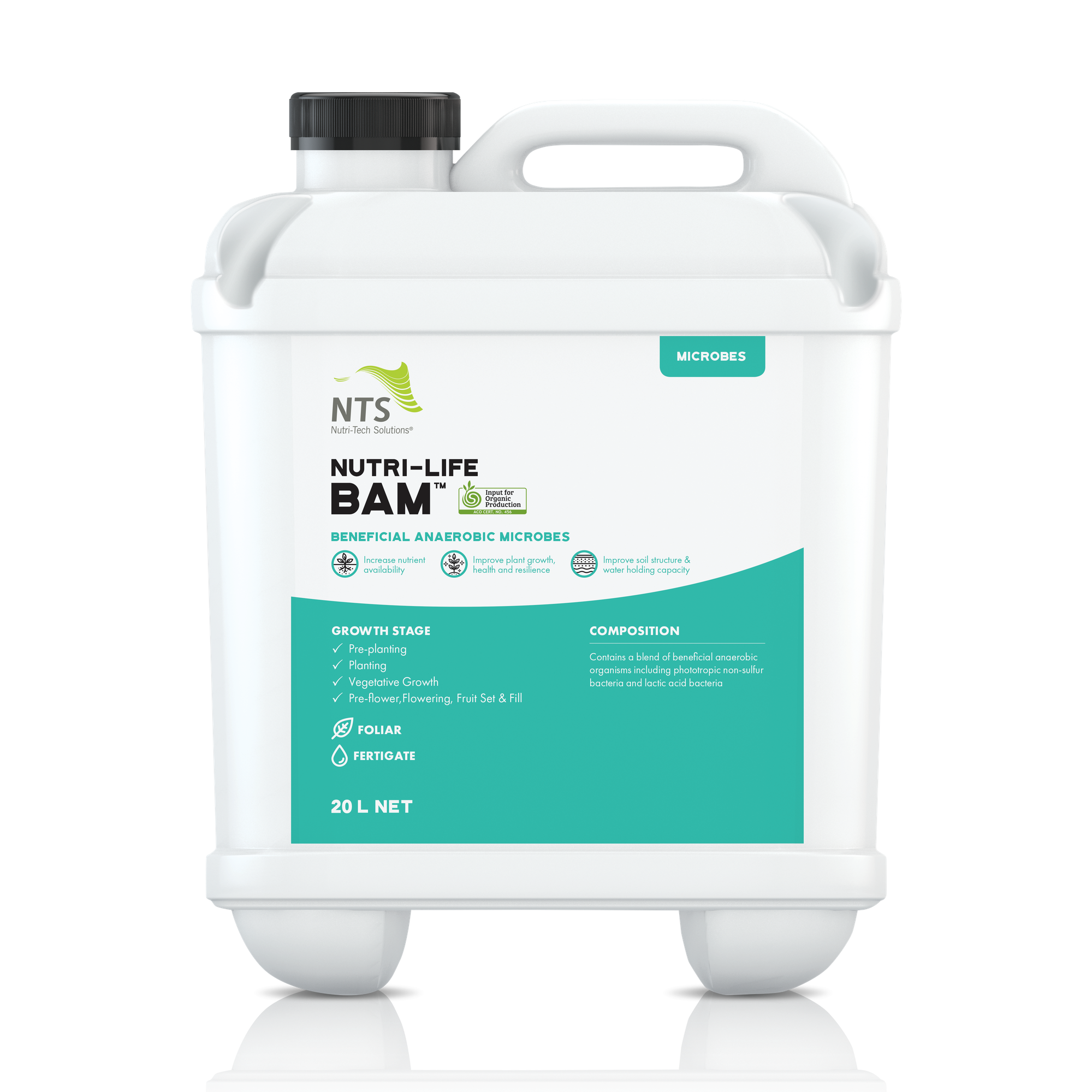
Nutri-Life BAM™
Multipurpose blend of anaerobic species for soil, compost and plant health.
This breakthrough probiotic blend contains lactic acid bacteria and purple non-sulphur bacteria, plus beneficial yeasts and microbial exudates.
Click here for Seed Treatment Instructions with Nutri-Life BAM™.
Key Performance
- Improve plant growth, health & resilience
- Increase nutrient availability
- Improve soil structure & water holding capacity
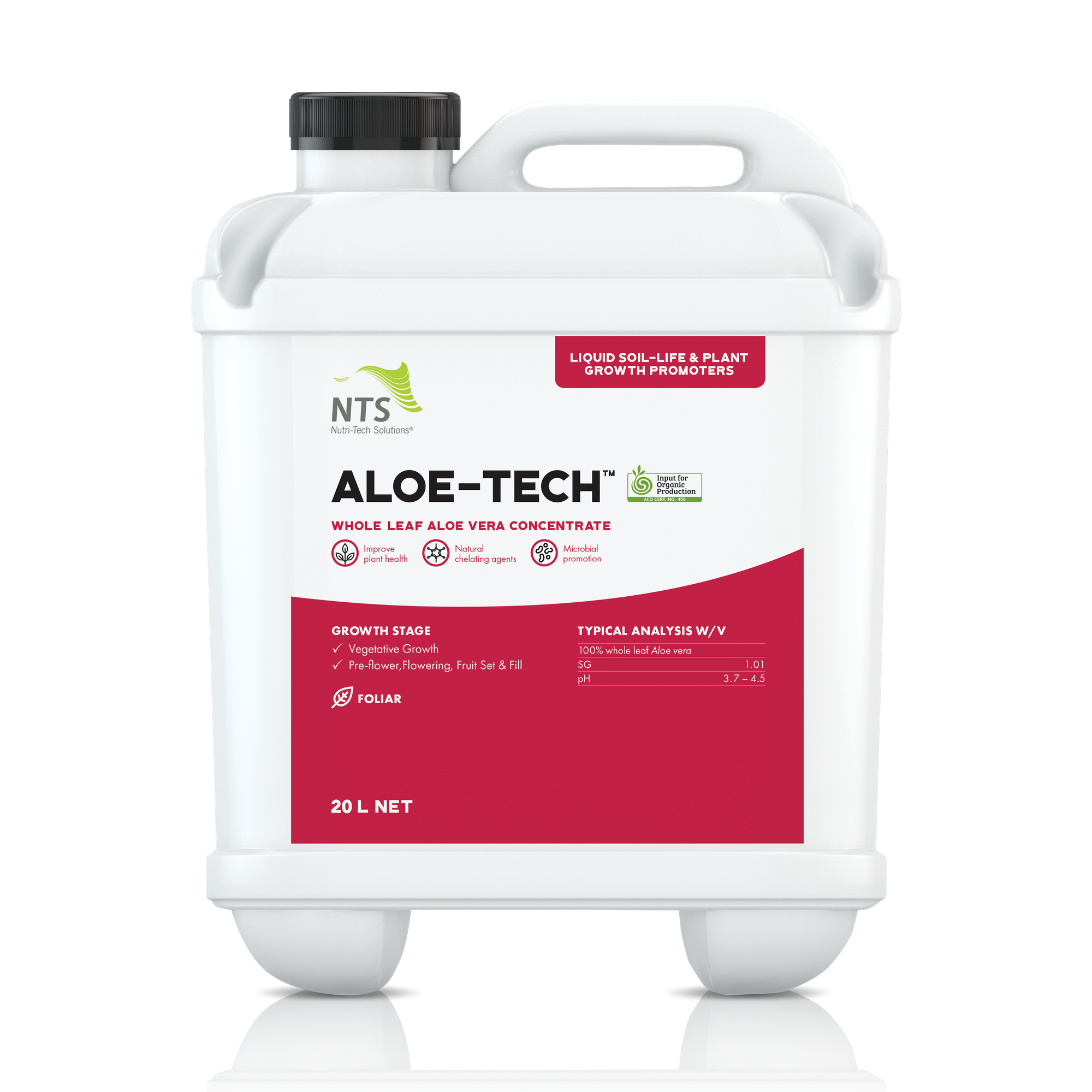
Aloe-Tech™
Christopher Columbus identified four crops which he considered indispensable for human survival and well-being – grapes, olives, wheat and aloe vera.
Aloe vera is a powerful botanical activator and plant growth promotant that increases phytoalexin production and improves overall plant health. Aloe-Tech™ is a whole-leaf aloe vera concentrate (500% stronger than standard aloe extracts). Research suggests that Aloe-Tech™ is the most powerful fungi booster currently available.
Product Benefits
- Australian Certified Organic (ACO) Registered Farm Input 456AI.
- An ideal adjunct for microbe multiplication in the soil, on the leaf or during microbe brewing. Biomass increases of over 1000% have been recorded.
- Contains gibberellins and indole acetic acid, which promote cell replication (plant growth).
- Includes five polysaccharides with considerable capacity for chelation.
- Contains aloins – aggressive bio-chemicals with a broad-spectrum bio-balancing potential.
- Features saponins, which are proven plant growth promotants and potent fungi food in the soil.
- Includes B group vitamins, which can also boost plant growth.
To order or learn more, call NTS on (07) 5472 9900 or email sales@nutri-tech.com.au.
Certificate in Nutrition Farming
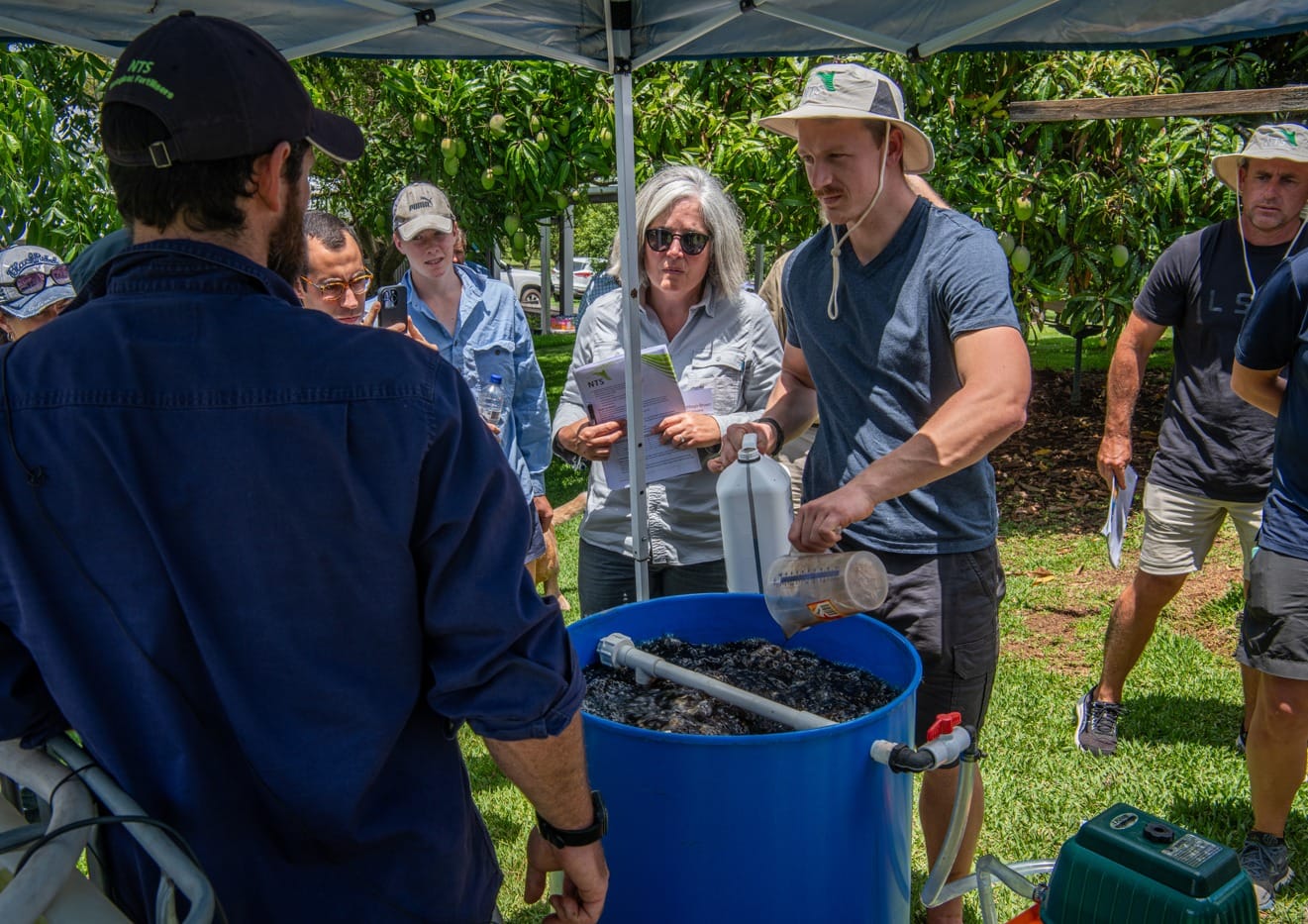
Our next iconic, five-day Certificate in Nutrition Farming® course is scheduled for Monday, 13th - 17th July 2026.
Did you know that government subsidies are available for farmers via the Farm Household Allowance? Check it out here... https://www.servicesaustralia.gov.au/farm-household-allowance
Our last course was attended by growers and consultants from six countries. It was a wonderful learning opportunity where attendees enjoyed a wealth of education and inspiration from both our presenters and their fellow attendees. We only accept 40 bookings for these courses, so please register if you would like to attend.