🐟 Inflammation and Omega 3 fats - How to Boost Fish Oil Impact 🧴

By Graeme Sait
Omega-3 fats are a hugely important component in our health equation, so I thought I would share some of the secrets linked to the optimisation of this major wellness tool. The balance of our essential fats is intimately and inextricably involved in inflammation. Inflammation is the lifeblood of all degenerative diseases. Perhaps that’s not the best analogy, because sometimes that unaddressed inflammation can actually sponsor a death rattle. In my constant quest to get back to root causes, it should prove productive to discuss the etiology (root cause) of inflammation.
I graphically remember an evening when I was hosting a large group of integrative physicians and natural health practitioners who were keynote presenters for my annual “Radiance” festival. We were having some “get to know you drinks” before the commencement of the six-day event, held in conjunction with the wonderful Woodford Folk Festival. I posed a hypothetical to this group of nutrition experts, and I figured that it would be a long, tortured debate before a unanimous decision would be reached. I asked them, “If all nutritional supplements had been banned and you were allowed to retain just one nutraceutical, what would that be?”
The group decided in just two minutes that the sole treatment option would be fish oil.
Let’s look at why they made that two-minute, joint decision.
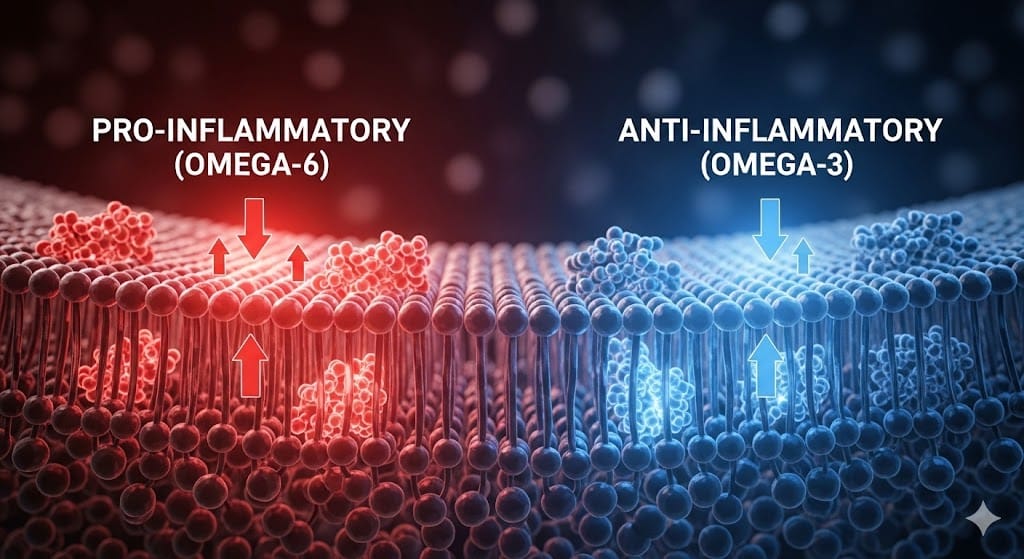
Inflammation is a two-stage process. You cut yourself, for example, and the wound becomes sore and inflamed. That’s the inflammatory stage, and it’s driven by protein messengers called thromboxanes and prostaglandins, the building blocks of which are Omega-6 fatty acids. Then, the healing stage kicks in, and that 2nd stage is driven by other protein messengers built from omega-3 fatty acids. Here’s the rub. The healthy ratio between these two essential fats is 2:1 in favour of omega-6 fats. The ratio in the US is 26:1! The average ratio in Australia is 20:1
What happens when you have 10 times more of the inflammation driver relative to the balancing anti-inflammatory agent? Well, you have systemic inflammation.
Now you can understand that unanimous, two-minute call. Most of us desperately need to address our horribly unbalanced omega-6 to omega-3 ratio. We need to dump the junk oils, avoid the fast food that is drenched in them, throw margarine from your fridge and avoid feedlot beef and grain-fed dairy, as grains are dominated by omega-6 fats.
We need to switch salad oils to flaxseed oil, build chia seed into our diets and seek out fatty fish, and the oils they contain. These marine sources are essential because, even though the plant-based omega-3s can be converted to the super protective EPA and DHA forms, this conversion is notoriously inefficient. In this context, we all need fish oils.
However, fish oils ain’t fish oils, and at this point, I’ll share a recent conversation with a naturopath friend.
She and some of her colleagues have begun testing levels of omega-3 and the omega-6 to omega-3 ratio in hundreds of their patients. They have found that most people are seriously lacking omega-3 and that the ratio is completely skewed in favour of omega-6 in the vast majority of their clients. However, they have also noted another trend that was surprising. Many of those supplementing fish oil are still deficient in omega-3. What’s happening here?
Some sources of fish oil contain polyphenols from the brown algae in their food chain. However, in the majority of the commercial oils, these critically important components have been removed during processing. One exception is Fermented Cod Liver Oil from Green Pastures. However, there are other productive options. My Naturopath friend reports wonderful anti-inflammatory outcomes when she introduces her clients to an MLM product where a high polyphenol oil from immature olives is combined in a single formula with fish oil. You don’t really need to pay MLM prices to secure these benefits, and I’ll discuss this shortly.
Let’s look at some of the exciting science behind combining polyphenols with fish oils.
Fish Oil and Polyphenols - An Amazing Anti-Inflammatory Synergy
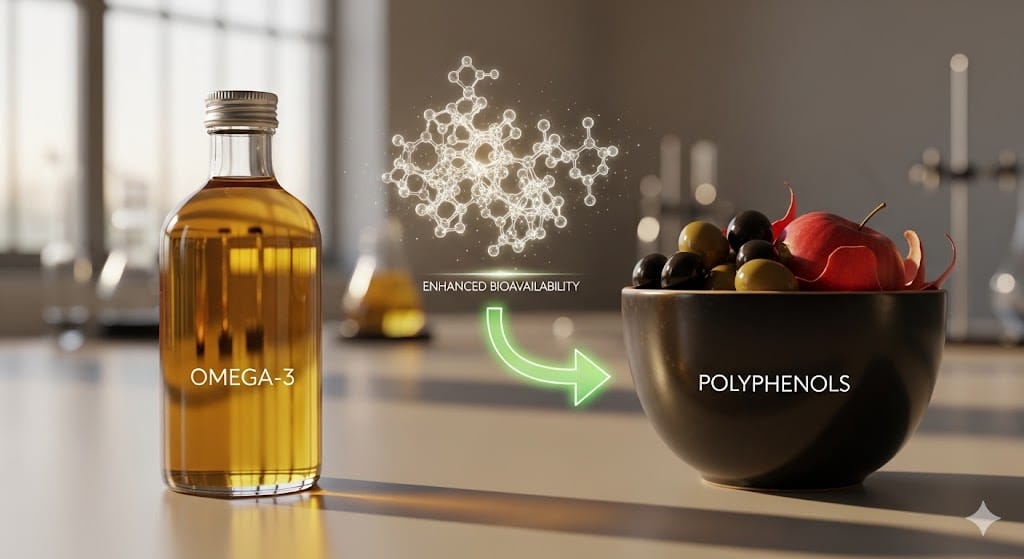
Both polyphenols and marine omega-3 fatty acids are well-researched, anti-inflammatories and antioxidants. However, the pairing of these two supplements is now known to deliver far greater than the sum of the parts.
In fact, studies have demonstrated some remarkable benefits from this partnership. Glutathione peroxidase is our most important enzyme protection system, and the pairing of these two nutraceuticals has been shown to triple glutathione peroxidase activity. It has also been shown to double plasma antioxidant capacity, meaning we have far greater potential to neutralise free radicals in our diet and environment. There have been reports of decreased lipid peroxidation of up to 100%. This is the process by which substances like LDL cholesterol can be damaged through oxidation, rendering them much more likely to accumulate and clog arteries. There are similar reductions in protein carbonylation.
My goodness, we are using some potentially unfamiliar terms here, so I’ll explain them as we go. Protein carbonylation involves free radical damage of amino acids, and it is directly linked to degenerative diseases like Alzheimer's disease, chronic lung disease, chronic renal failure, diabetes and sepsis.
Here’s another new term. urinary 8- isoprotanes are a well-researched inflammatory marker. Interestingly, high levels of this substance have been found to directly correlate with the severity of sleep apnea and other conditions. Urinary 8-isoprostanes biomarkers are found to be 50% lower when fish oil and polyphenols are combined, as compared to using either of these supplements alone.
Similarly, studies have revealed that common inflammation biomarkers like C-Reactive Protein can be reduced by 50% to 200% when these supplements are combined.
These are hugely important findings that directly impact every one of us. I strongly suggest that you Google a PubMed paper by Lucia Mendez and Isabel Medina. This summary of recent findings is called “Polyphenols and Fish Oils for Improving Metabolic Health: A Revision of the Recent Evidence for Their Combined Nutraceutical Effects”. If you have inflammation, and most of us do, I promise you, you will get excited about this research.
The Dynamics of a Super Synergy
Let’s look at how this remarkable synergy works:
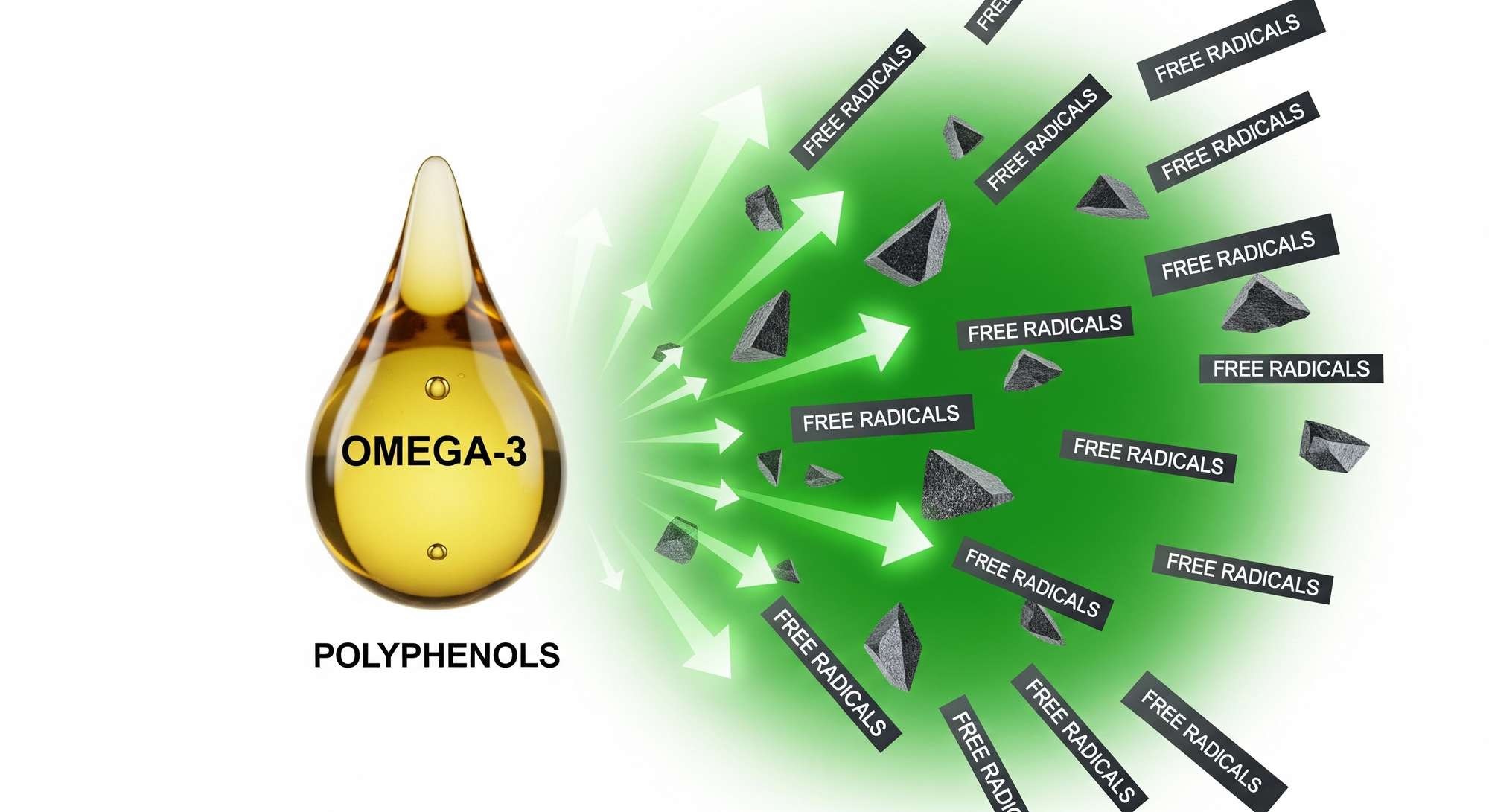
There has always been a concern that fish oil supplementation could pose problems relative to the fragility of the DHA and EPA components. These omega-3 fats are really easily oxidised. That’s why you store flaxseed oil in the fridge, and you never cook with it. Polyphenols are amongst the most powerful antioxidants, and they effectively prevent the oxidation of the fish oil (understanding that oxidised fatty acids are never good for us!)
The polyphenols have also been shown to increase the uptake of these protective fatty acids, while preserving their bioactivity. That’s a nice synergy, but how does the fish oil help the polyphenols? Well, several studies have shown that the omega-3 fats positively influence the metabolism and bioaccessibility of polyphenols. That’s one hell of a win-win, so now let’s look at some of the polyphenol synergists we might consider.
I mentioned that immature green olives can contain very high levels of polyphenols. The highest source available in Australia is Olisir 1000+, High Polyphenol Extra Virgin Olive Oil. It comes in a 500 ml bottle and features a remarkable 1104 mg/kg of powerhouse polyphenols. It is available from The Olive Hub at a little over $100 per bottle. The therapeutic dose rate is one tablespoon per day, so that equates to a cost of around $3 per day (half the price of a cup of coffee!).
However, there are other options. Resveratrol has been well researched. This is the protective polyphenol found in red wine. Resveratrol concentrates can be sourced online from companies such as iHerb. There are some really promising studies of the potential of fish oil and resveratrol to reverse and prevent age-/related eye damage
Epigallocatechin-3-gallate (EGCG) from Green tea is also a well-researched partner for fish oil, as is grape seed extract.
Quercetin is another polyphenol that can be combined with fish oil to great effect, where both supplements will be more effective.
There is also an exciting option from Nutrition Farms. We offer a freeze-dried powdered concentrate of polyphenol-rich, red apple skins. It’s called PhytoForce and is available from our website. At my apple orchard in Stanthorpe, we decided to retain our old school, Red Delicious trees, when so many were pushing them out. It turned out to be a good decision, as they are suddenly in demand. Red Delicious apples have the highest antioxidants of any apple, and their skins are the major source of these powerhouse phytonutrients. There is a really good study combining apple polyphenols with fish oil, where cholesterol and triglyceride levels were both significantly lowered.
Quality counts
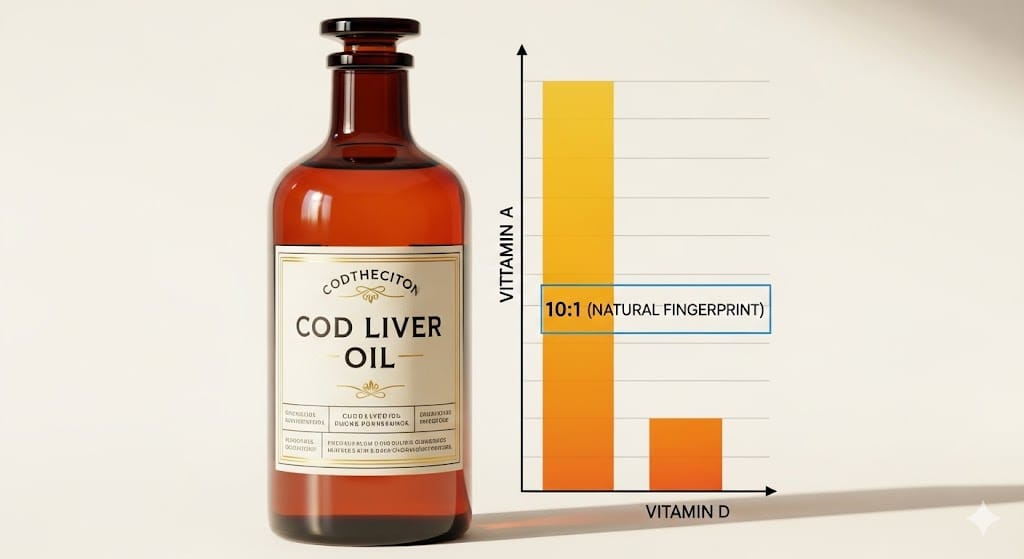
There is a vast difference between different fish oils on the market, and it might help if I provide some guidelines to sort the good from the junk. I’m a fan of good-quality cod liver oil as a fish oil option. It has similar levels of DHA and EPA to standard fish oils, but it also delivers therapeutic rates of vitamin A and vitamin D. The productive dose rate is one tablespoon per day (which could be combined with your tablespoon of Olisir 1000 olive oil) One tablespoon is equivalent to ten fish oil capsules, and this is the kind of amount that will help you reclaim your healthy omega 6/omega 3 ratio.
The problem is that some Cod liver oils, including popular Australian brands, have been extracted with heat or molecularly distilled. Both processes seriously compromise the natural vitamin components, so they resort to topping up with synthetic forms of vitamin A and vitamin D, which are a waste of space.
Here’s how you can avoid the substandard crap:
1) Check the Vitamin A: Vitamin D Ratio - this is the fingerprint test because naturally that should be somewhere between 5:1 and 10:1. The red flag for added synthetics is high Vitamin D with low Vitamin A
2) Look for “Non-Deodorised / Non-Distilled” or “Naturally Occurring Vitamins” - as mentioned, heat and molecular distillation destroy nutritional integrity
Avoid any products that contain label statements like “Fortified with vitamin A and D, or “Standardised vitamin content”
“Standardised” almost always means synthetic re-addition
3) Taste, Smell, Colour - High-quality oil will be golden or deep amber. It will have a mild marine smell and will not be odourless, and it will have a distinct but non-rancid flavour
Red flags include completely clear or pale oil that has no smell or taste, or artificial flavours that often mask poor-quality base oil.
4) Check out the source and processing method - this information should be available online. Look for wild-caught cod (e.g. Norwegian/Arctic). Check that the livers are processed fresh, not stored. Look for fermented or low-temperature extraction methods. Also, look for complete traceability, i.e., batch and boat.
Best Aussie Options
The best Australian option is Rosita Extra Virgin Cod Liver Oil from Nourishing Organics, priced around $75.
Green Pasture fermented cod liver oil capsules are a great option at around $80. They are better in capsule form, as the taste of the fermented oil can be challenging.
Nordic Naturals, available in some of the major retail outlets, is less traditional but has an acceptable quality at around $60
Most of the pharmacy products are compromised and substandard.
I trust this will help some of you in countering the inflammation that lurks behind many illnesses.
Happy Nutrition Farming
Graeme
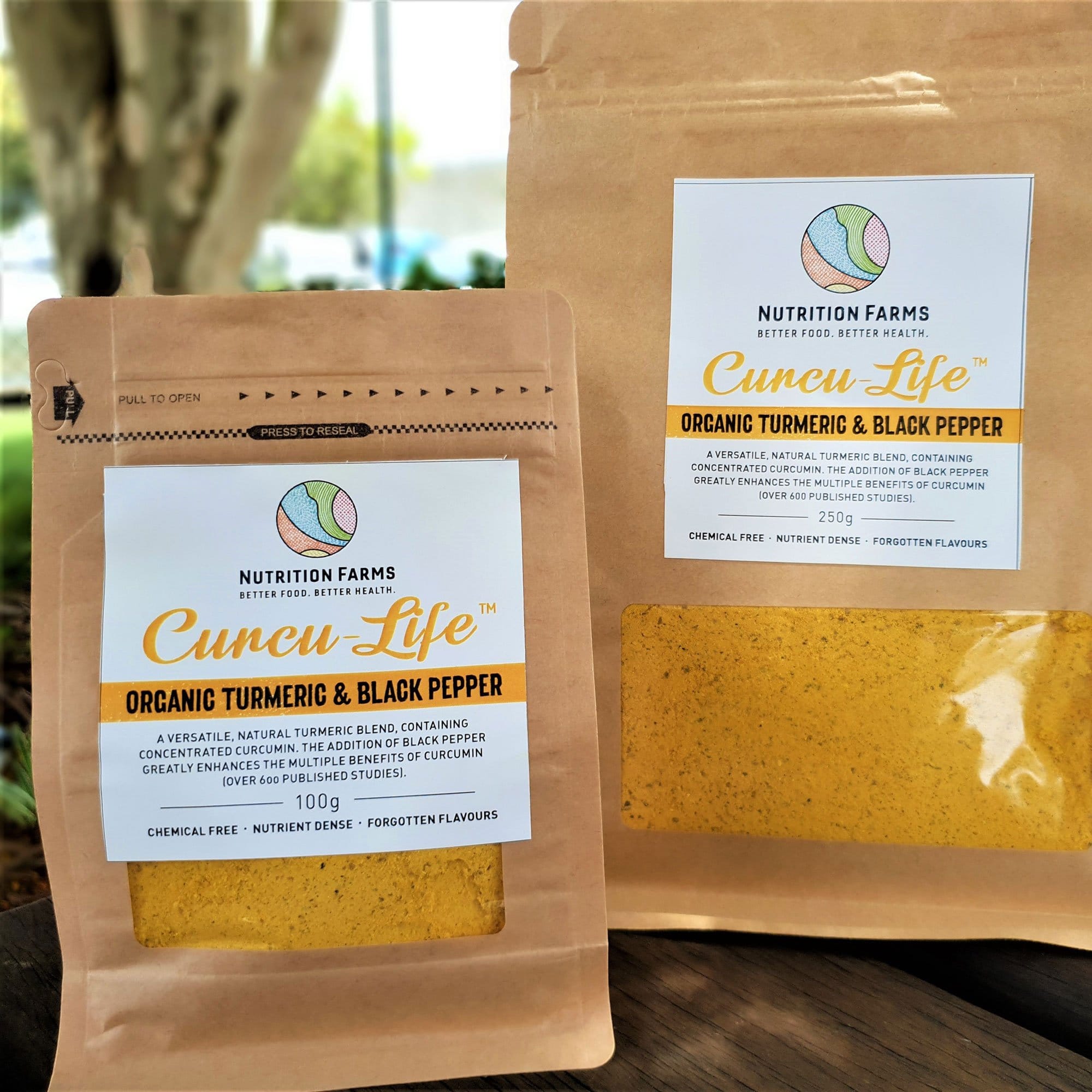
Curcu-Life™
What is Curcu-Life?
Curcu-Life™ contains organic, nutritionally grown, freeze-dried turmeric mixed with organic black pepper to greatly enhance the multiple benefits of curcumin.
Curcumin is a phytochemical found in turmeric and has generated huge excitement in the integrated medical community. There have been more than 600 published papers describing the multiple benefits of this natural substance in relation to many of our major degenerative diseases.
The turmeric is grown at our very own Nutrition Farms estates on the Sunshine Coast’s pristine hinterland, using Nutrition Farming® regenerative farming principles to ensure optimum nutrition throughout planting, growth and harvest. The end result is chemical-free and nutrient-dense produce with vivid flavours.
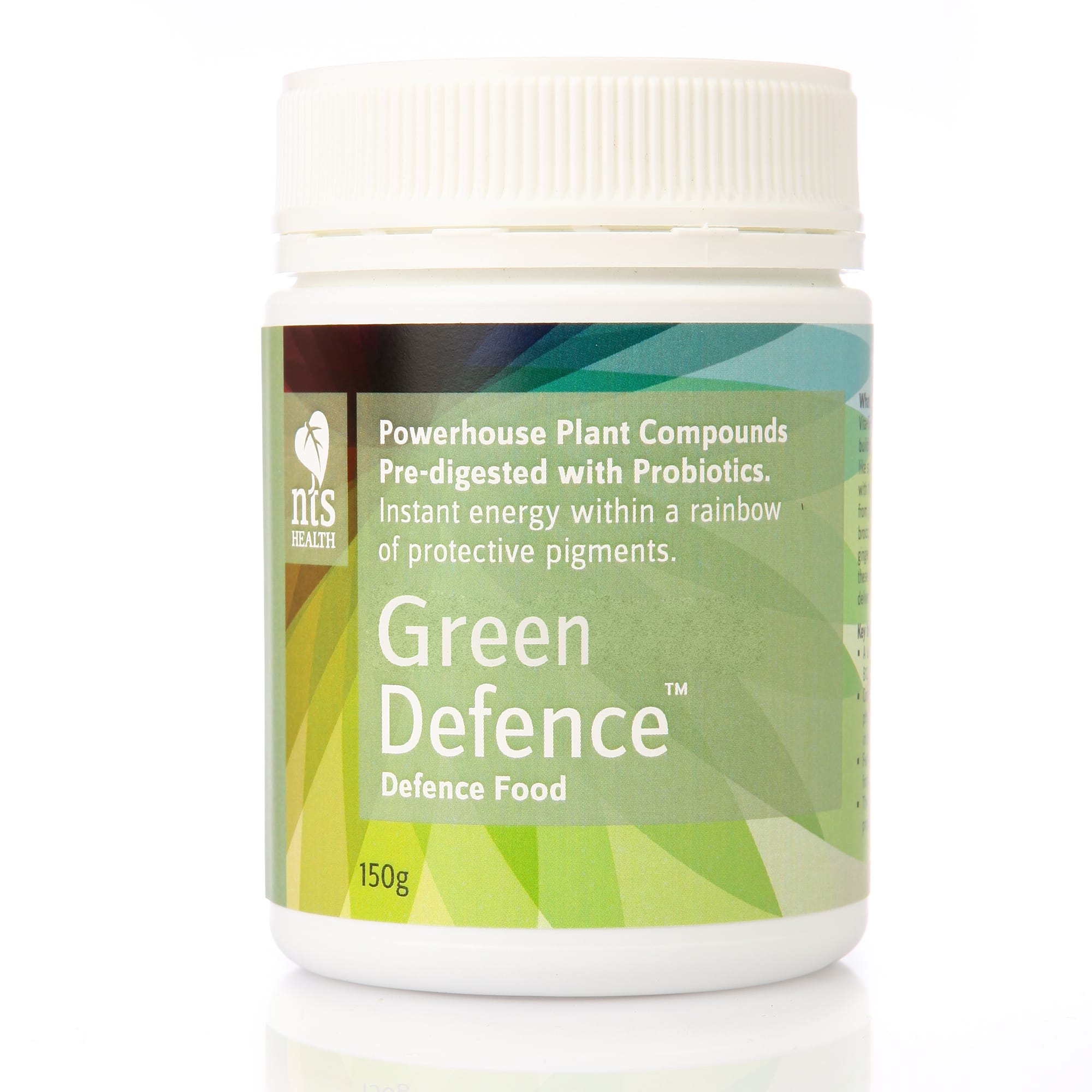
Green Defence™
What is Green Defence™?
Green Defence™ features the energy-building power of pre-digested super greens, including spirulina and cereal grasses, combined with the exciting phytonutrients derived from pre-digested vegetables such as broccoli, carrots, cabbage, corn, beets and ginger. The multi-coloured pigments from these vegetables have been shown to deliver many nutritional benefits.
"Protective pigments like lutein, lycopene, beta-carotene and anthocyanin have become catchwords for phytonutrient research in nutritional science. The growing understanding of these 'defence foods' heralds the dawn of a new era of science-based nutrition."
To order or learn more, call NTS on (07) 5472 9900 or email sales@nutri-tech.com.au.
Certificate in Nutrition Farming

Our next iconic, five-day Certificate in Nutrition Farming® course is scheduled for Monday, 13th - 17th July 2026.
Our last course was attended by growers and consultants from six countries. It was a wonderful learning opportunity where attendees enjoyed a wealth of education and inspiration from both our presenters and their fellow attendees. We only accept 40 bookings for these courses, so please register if you would like to attend.