🌱Immune-Enhancing Biology - Can Good Bugs Beat the Chemicals?🌿


By Graeme Sait
Immune elicitation is a remarkably productive path because it is now understood that anything that boosts immunity also boosts yield. When adopting this strategy, you have a reduced need for increasingly expensive chemical interventions, while also increasing yield and profit. That’s a serious win/win.
Let’s look more closely at plant immunity.
There are two main types of plant immune response. One is called Systemic Acquired Resistance (SAR). This is induced when the plant comes in contact with a pathogen. It is actually a good example of why the complete sterilisation of soil and leaf can be counterproductive. You want some pests present, so the plant can optimise its immune response.
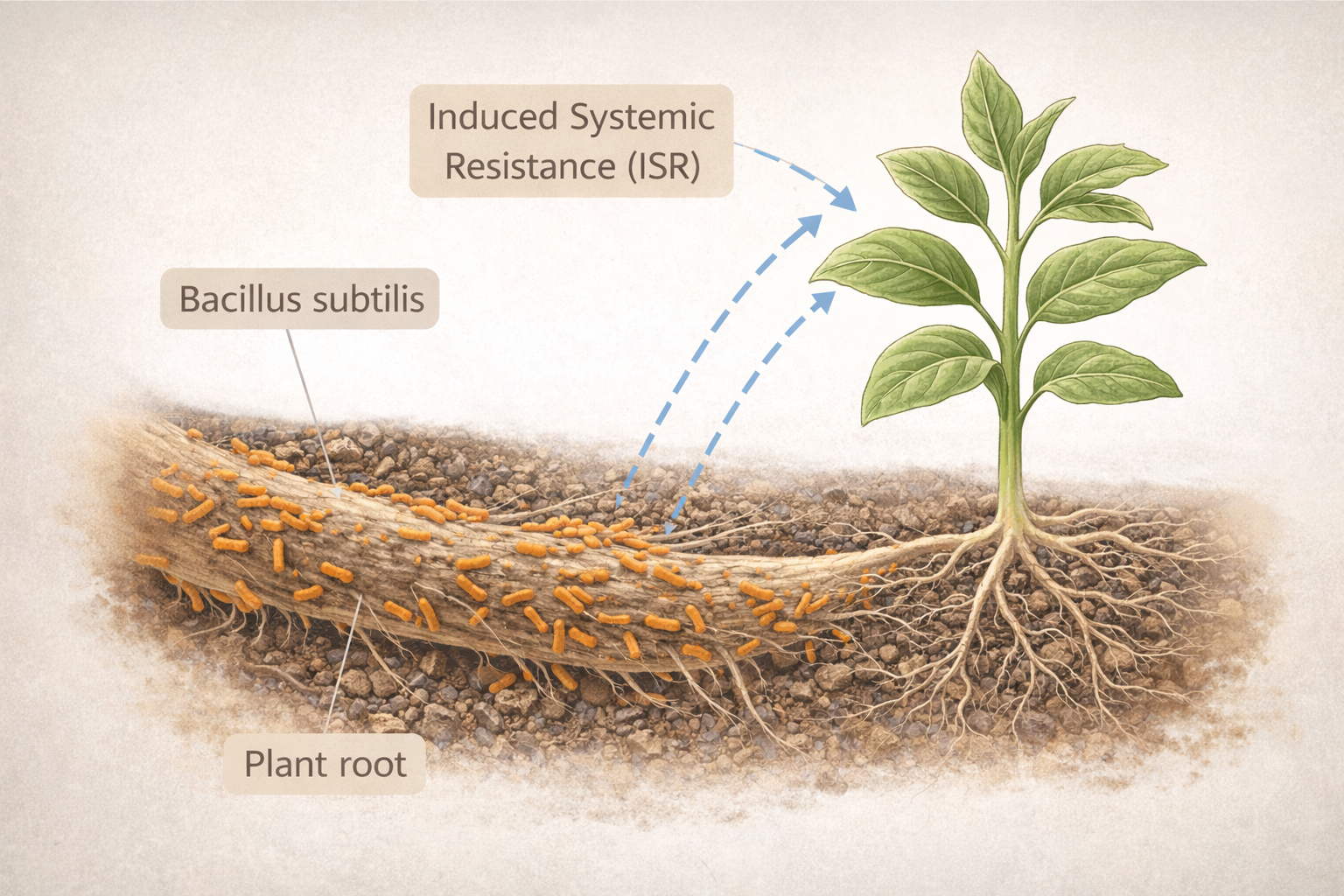
The second is called Induced Systemic Resistance (ISR). This immune response is pretty much a gift from the beneficial microbes in the root zone (rhizosphere) to their host. Here, certain soil organisms supply the plant with biochemicals that elicit this immune-boosting reaction.
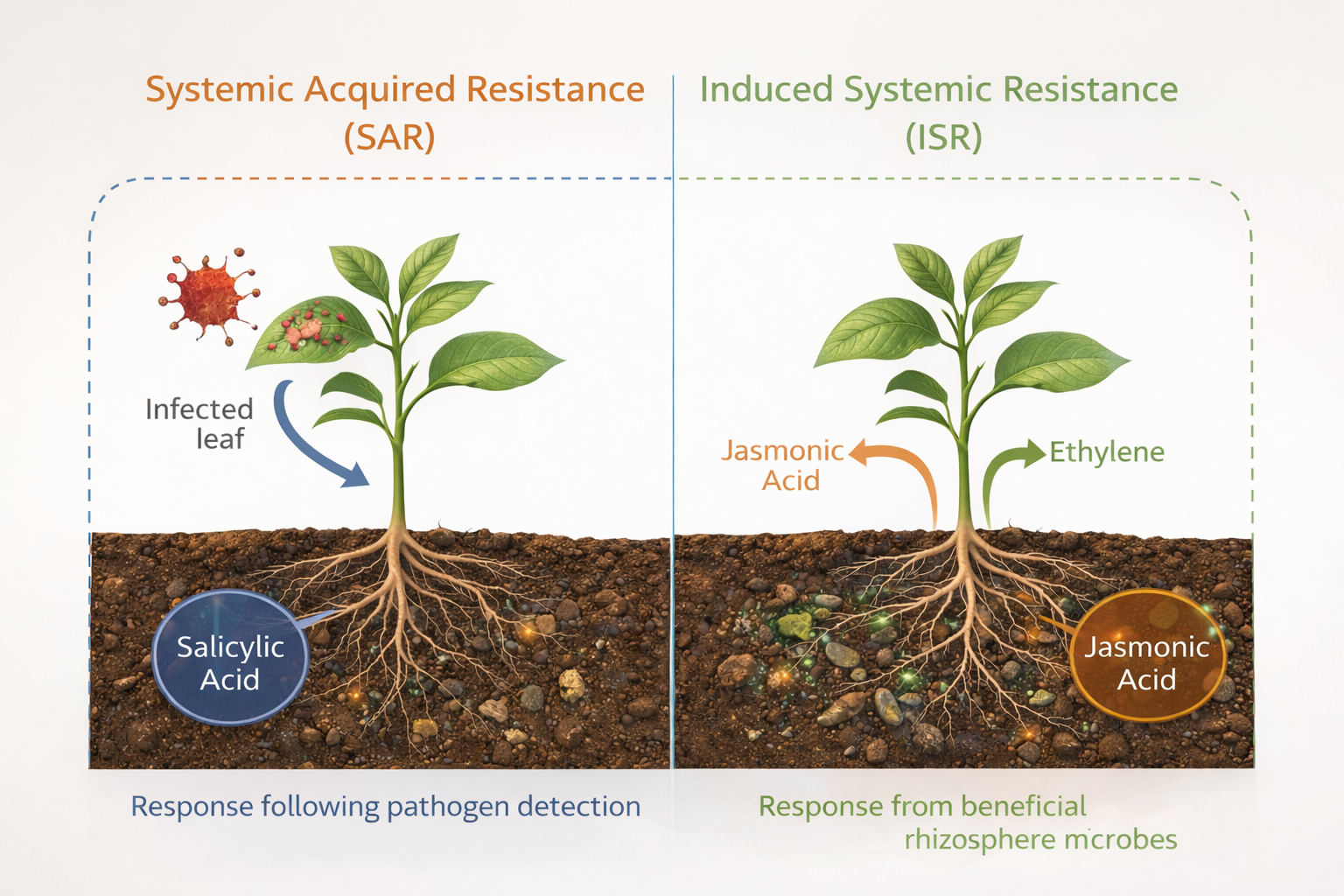
The two forms of immune response are characterised by quite different biochemicals or signalling pathways.
The pathway for SAR involves the accumulation of salicylic acid. Aspirin is a synthetic form of salicylic acid, yet it remains effective in stimulating immunity and plant growth. Just add 20 aspirins to 100 litres of water and watch what happens. It can be truly impressive.
The highest natural concentration of salicylic acid is in wintergreen oil. If you use some lecithin to emulsify wintergreen oil, you will also see a memorable response. Aloe Vera is a succulent that contains exceptionally high levels of salicylic acid. That’s why it has a pain-killing, aspirin-like effect on sunburn and insect bites. NTS has developed a five-times concentrate of aloe vera, called Aloe Tech, and it has become a popular problem solver in our range.
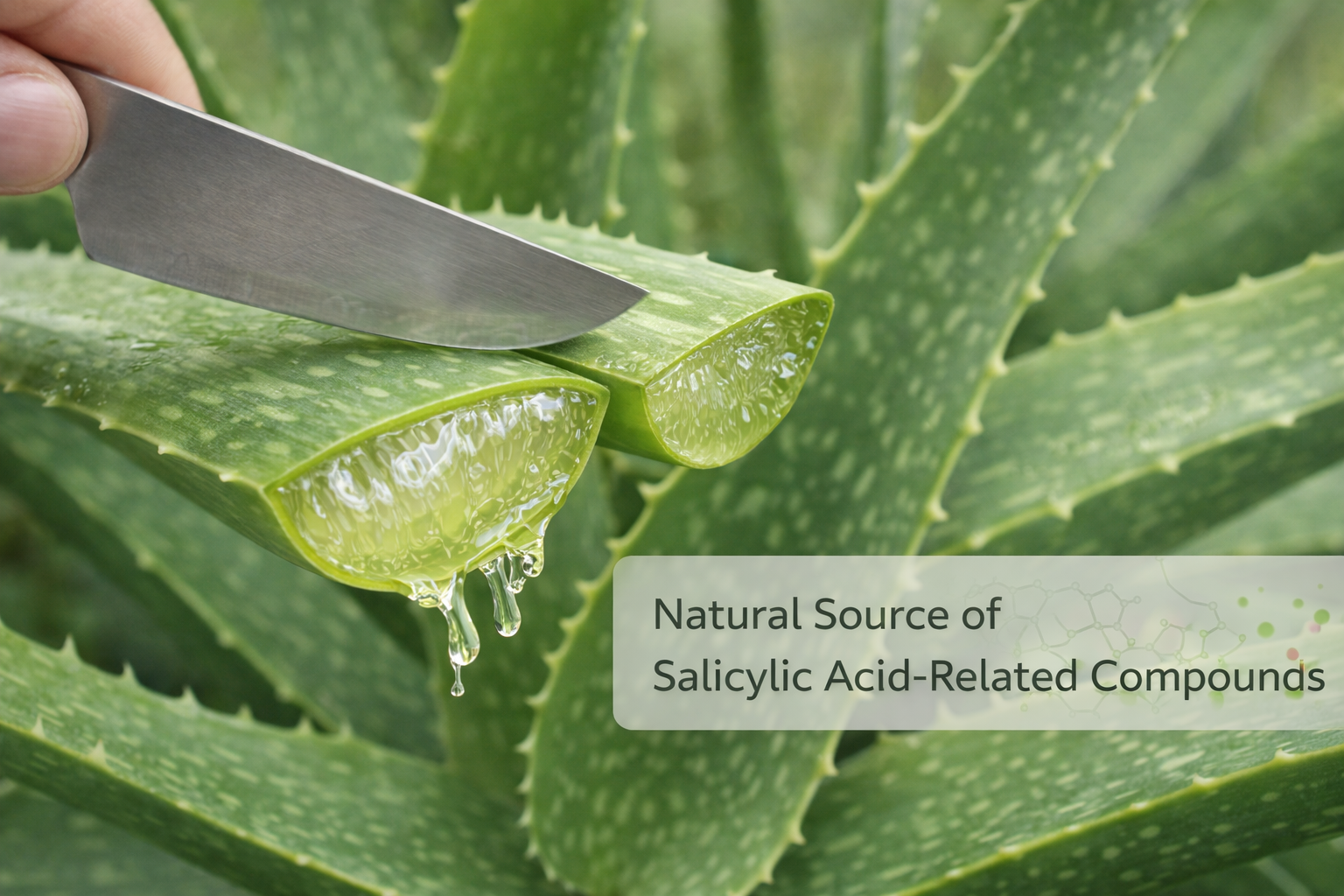
Incidentally, everyone should have a couple of aloe plants in their garden. They grow in most climates, and they are so helpful. I have stinging ants on one of my farms, and I rush to the aloe patch as soon as I am stung. It only takes 20 seconds for the pain to subside.
Aloe Vera plants produce offspring that are affectionately called pups, so one plant can become many within a year. The inner gel of this plant is actually more potent than agar as a medium for growing microbes. Hence, NTS Aloe Tech is a great additive for inclusion with compost teas and inoculums.
Aloe Vera also offers something quite special for your own health. You can slice off the bitter outer skin with a fish knife and harvest the inner gel. It is like a prebiotic to fire up your own microbiome, and it is one of the most potent medicines to combat bowel disorders, including irritable bowel syndrome (IBS)
ISR (induced systemic resistance), the gift from the good guys, is all about the plant hormones, jasmonic acid and ethylene. Jasmine oil or methyl jasmonate can be used here to compensate for the loss of a natural process when you have disrupted many of your beneficial organisms through flawed farming practices. It is a highly effective plant growth promoter and plant protector.
Measurable increases in substances called phytoalexins characterise both of these immune responses, the monitoring of which is comparable to measuring antibodies in our blood, as a guide to our immune competency.
Several key soil organisms have been shown to increase counts of phytoalexins.
Immune-Enhancing Fungi
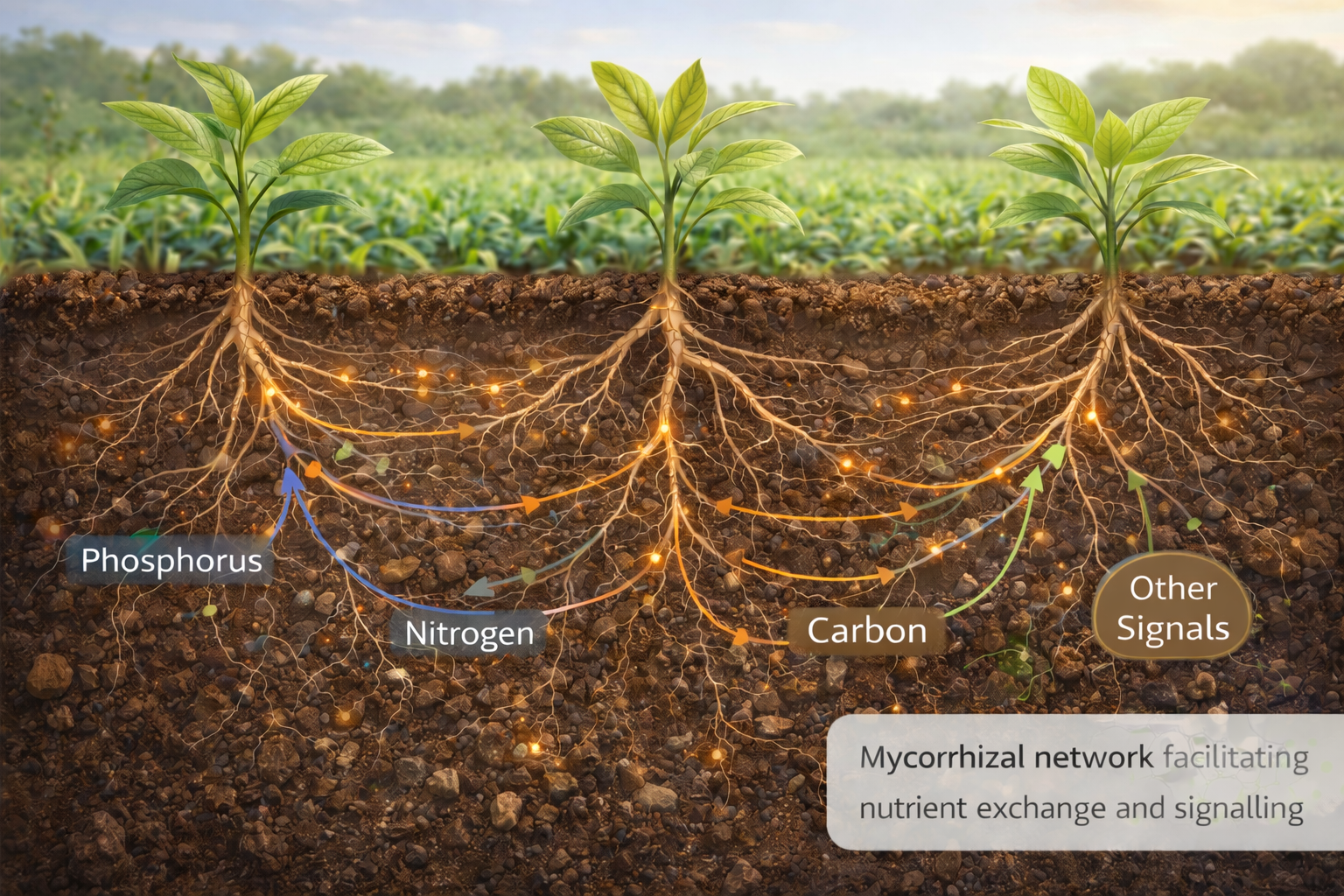
Mycorrhizal fungi are known to boost the immunity of their hosts, as evidenced by phytoalexin increases in plant tissue. Mycorrhizal fungi also form an internet-like network in the soil called the MN. It has been recently found that this network is used by plants to message other plants that a disease or insect attack is imminent. In that way, other plants can begin to tune up their immunity relative to that particular issue. This network can also be used to share nutrients, water and carbon. In fact, when seeds are dispersed from a forest tree, they can often sprout some distance away. The mother tree knows exactly which of these seedlings is her offspring. When she recognises that the babies are struggling to photosynthesise in the darkness of the forest floor, the mum will send carbon, via the MN, directly to her seedlings. This wondrous nurturing process is almost akin to breastfeeding.
Trichoderma are renowned for their capacity to eat pathogens. In fact, they are known to prey upon almost 30 different disease organisms. However, it is now theorised that their capacity to boost plant immunity might be at least as important as their predatory control. Trichoderma are a little unusual because they induce both forms of immunity. When they first inhabit the roots, that plant mistakes them for a pathogen and Systemic Acquired Resistance is induced. Then, the organism also generates an ISR response, once it has settled into the root system and become a synergist. Hence, we see both salicylic acid and jasmonic acid increase, and a boost in phytoalexins, all delivered by one disease-gobbling creature. Perhaps you now understand why Trichoderma is one of the most favoured inputs on both of my farms. If you have checked my “How To Do it” YouTube channel, you will also understand that this invaluable tool can be easily multiplied on your farm, to keep the cost down.
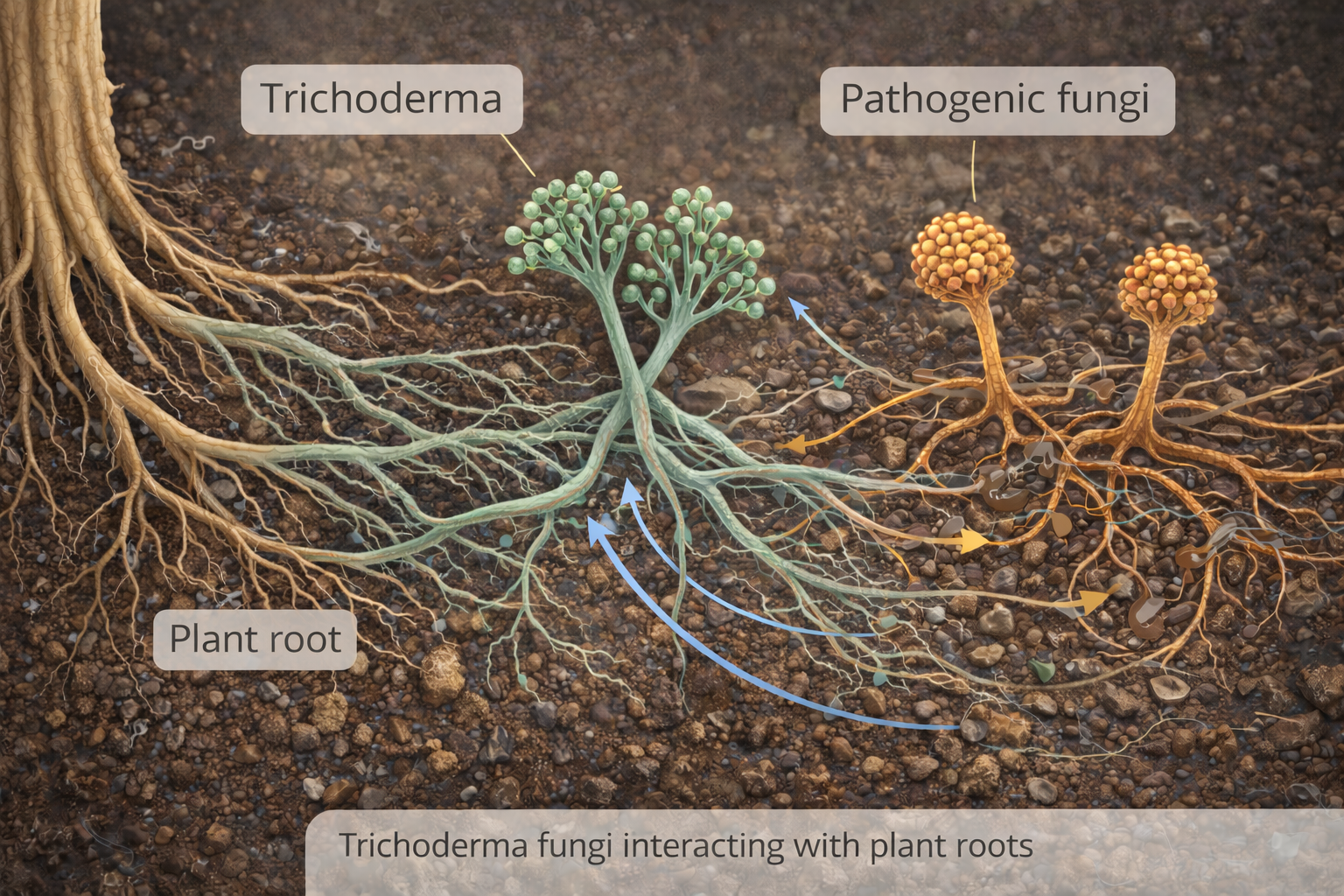
The NTS product, which combines several key Trichoderma strains, is called Tricho-Shield.
Now, let’s examine the role bacteria can play in enhancing the plant's ability to defend itself.
Bacterial Immune Elicitors
There are a variety of proven performers in this space, but the most productive are those from the spore-forming, bacillus family. Key players from this family can be multiplied on farm to provide multiple benefits. Here, we will look at the most researched and accomplished of this group, and I will provide some tips as to how we can use them productively.
The best performing bacillus problem solvers include bacillus subtilis, bacillus amyloliquefaciens, bacillus licheniformis, bacillus pumilus and bacillus megaterium. I strongly suggest that you Google the respective benefits of any or all of this quintet to better understand their tremendous potential. All five of these organisms are included in the best-selling, freeze-dried blend from NTS, called MicroForce.
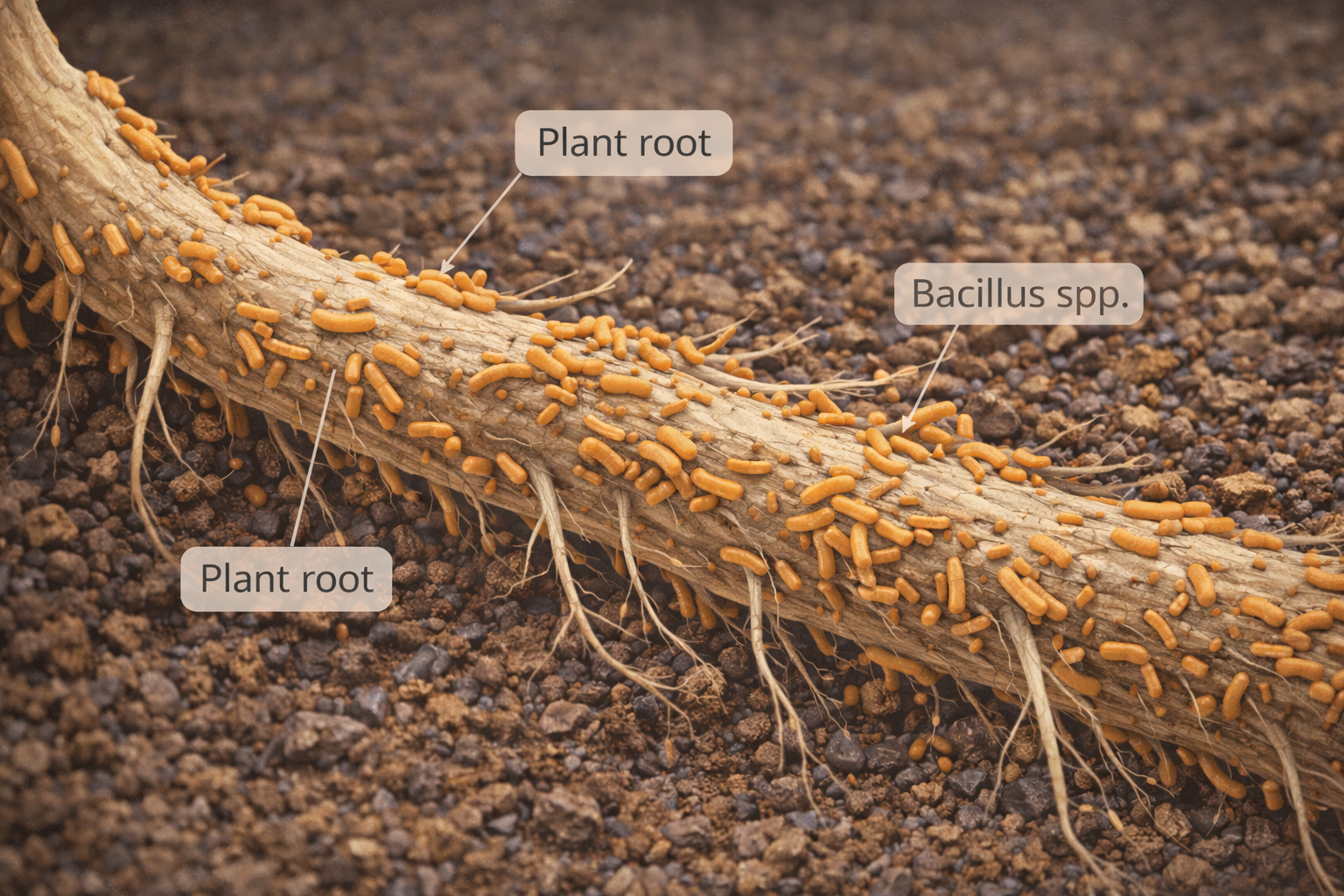
The grim reality is that farming is set to become increasingly difficult amid the myriad challenges posed by climate extremes. We need all the help we can muster, and these super-resilient bacteria are tailor-made for the task.
They comprise the hardiest of beneficial soil life. They can handle salty or dry soils, as well as wet or overheated scenarios, and are also more chemically resistant than most. All five of these species can fix nitrogen and solubilise phosphate, and all five are major producers of an enzyme called chitinase, which can have both fungicidal and insecticidal benefits. This enzyme digests chitin, which comprises the outer walls of both fungal pathogens and insect pests. Chitin also comprises the inner wall of the gut lining of caterpillars, so there is also a potential larvicidal benefit.
This group can also provide some unique individual offerings. Let’s look at two of the most popular players, Bacillus subtilis and Bacillus amyloliquefaciens.
The Bacillus immune elicitor
Bacillus subtilis is a multi-function marvel, and hence, it is no surprise that it has become the world's largest-selling bio-fertiliser. This wonderfully versatile organism offers direct and indirect benefits to your crop. The direct, protective capacity relates to the synthesis of a suite of secondary metabolites, hormones, cell wall-degrading enzymes, and antioxidants that support the plant to ward off pathogen attack. The secondary mechanism involves the generation of Induced Systemic Resistance (ISR), which is associated with the stimulation of plant growth and yield. I have mentioned many times that immune elicitation always equates to yield increases.
Bacillus subtilis can also solubilise soil P and enhance nitrogen fixation, as mentioned, and it produces siderophores that promote its growth and suppress the growth of pathogens. Bacillus subtilis enhances stress tolerance in plant hosts by inducing the expression of stress-response genes, phytohormones, and stress-related metabolites. This organism is so hardy that it can actually be added at the start of composting and still be present in the end compost. That is highly unusual because the heating stage (the thermophilic phase) of composting involves a unique group of trailblazers that can handle the initial sterilising heat. Then the more common soil species kick in during the latter curing stage.
This hardiness is partially linked to the capacity to form spores. This means you can opt out for a bit, when the going gets tough, and return to the fray when things are more favourable. Bacillus subtilus has remarkable tolerance to abiotic stress (environmental stressors). They can manage drought, heatwaves, wet conditions, UV radiation and chemical pollutants much better than most. They can also compete strongly with other microbes in low-nutrition soils and still perform their many tasks. Their capacity to create protective biofilms also contributes to their hardiness, and they can handle extremes in soil pH, which can limit other microbes.
I guess you are starting to recognise that the introduction of beneficial Bacillus species into your soil might be productive. Now, let’s look at the poster boy of this potential. Bacillus amyloliquefaciens has become a huge focus of research and excitement after it was identified as a standalone species, rather than a form of Bacillus subtilis.
Bacillus biocontrol
The growing enthusiasm about Bacillus amyloliquefaciens largely revolves around disease management. There are numerous studies involving a wide range of diseases. One of these is a 2018 paper entitled “The Multi-Faceted Benefits of Bacillus Amyloliquifaciens…”, by K. Elanchezhiyan et al., which examined the control of Fusarium in tomatoes using this organism. They found that treatment induced a range of defence activities, including superoxide dismutase, catalase, peroxidase and phenolic acids. The researchers also reported impressive plant growth promotion and yield increases. The application rates that worked in this study included dipping seedlings in a solution containing one teaspoon of inoculum per litre, and applying 500 grams per hectare as a foliar application.
Other studies involving Bacillus amyloliquifaciens (BAA) have also demonstrated the yield-enhancing potential of this inoculum. In one of these, also involving tomatoes treated with BAA, fertiliser requirements were reduced by 25%, with equivalent yields. In another study involving a corn crop in low phosphate soils, the BAA treatment increased both phosphate availability and associated yield.
There is also potential to integrate this organism with conventional fungicide programs, as the bacillus organisms are not negatively impacted by fungicides. In one published study, involving control of Sclerotinia sclerotiorum in canola, published in 2008 in the journal “Crop Protection”, this potential integrative approach was validated. H. Zhang et al. found that Bacillus amyloliquefaciens used in conjunction with reduced fungicide applications effectively suppressed the disease. All five of the bacillus organisms we are discussing are not killed by fungicides, so there is considerable potential for reducing chemical requirements and boosting efficacy with an integrated approach.
There is also considerable interest in the potential of this organism for nematode control, with research reporting reductions in eggs, worms and root galls.
The other bacillus organisms in MicroForce include Bacillus megaterium, the most powerful of microbial phosphate solubilisers.
Another of this quintet is Bacillus licheniformis. This organism produces an exciting biosurfactant called “lichenysin”. These natural surfactants are particularly beneficial in terms of water use efficiency, as they reduce soil surface tension, making it easier for water to penetrate and disperse throughout the soil. This improves soil structure and helps prevent water runoff, while enhancing soil moisture retention.
Bacillus pumilis, the last of our illustrious quintet, is a nutrient cycler that breaks down organic matter into humus, releasing phosphorus and nitrogen. Like the other bacillus strains, it also solubilises frozen phosphate through the release of acids and phosphatases. It also releases growth-promoting biochemicals, helps control pathogens, and, interestingly, is essential in the establishment of mycorrhizal fungi. In a study published in Tree Physiology in 2022, Ya-hui Wang et al demonstrated that pine seedlings, inoculated with Bacillus pumilis, enjoyed 158% better mycorrhizal colonisation.
On-farm brewing of MicroForce

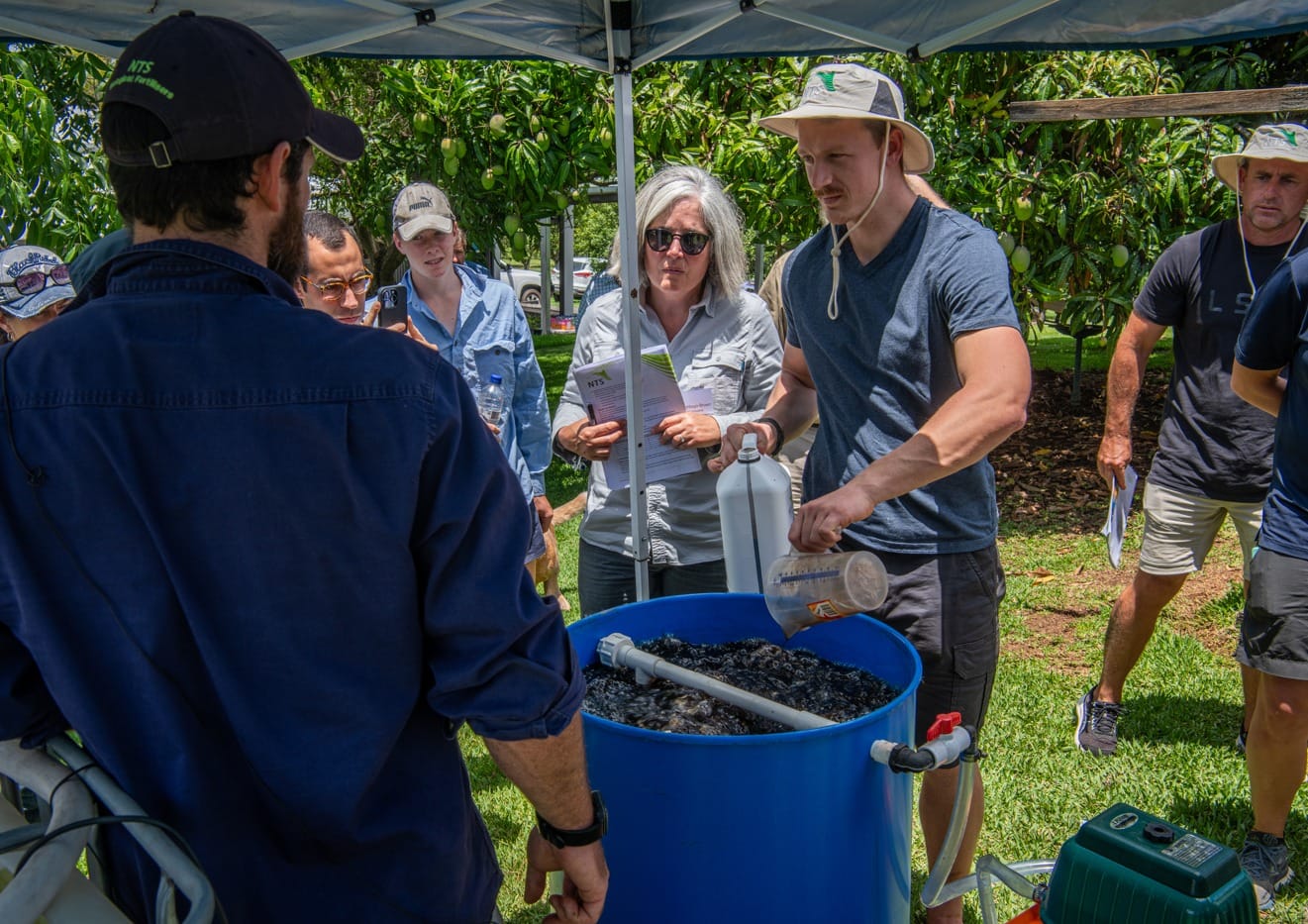
Ok, I’m hoping you are now excited about how you might multiply these maestros at your place. So, how do you brew this blend on farm? Well, you will need an aerobic brewing tank for this purpose. This need not be hugely expensive, but the critically important requirement is the delivery of many thousands of tiny bubbles throughout the 24-hour brewing process.
You can use a 20-litre bucket, a 200-litre drum, or a 1000-litre shuttle. If you are in Broadacre, you might even consider the 2500 litre option. NTS offers a 20-litre home garden brewer, but we also provide submersible pumps with venturis for the 200-litre and 1000-litre options, as well as a kit for the 2500-litre tank. If you check the website, you will also find the BrewStar 200, a three-in-one option that utilises an external air pump to deliver billions of tiny bubbles. This kit comes complete with a 100 micron “tea bag”, a tank thermometer, the pump, the bubbler kit and the brewing tank. It can also serve as an anaerobic brewing station, as it features a screw-on lid fitted with a one-way valve. This innovative kit now includes a screw-in extractor kit that allows you to also make compost extracts.
So, the brewing process simply involves the provision of clean water, food and oxygen for 24 hours, and then you have made your own living fertiliser
We have developed a specialised food for brewing MicroForce called Liquid Microbe Food (LMF), which is used at a rate of 1 litre per 100 litres.
100 grams of MicroForce is required to brew 200 litres along with 2 litres of Liquid Microbe Food (LMF). The end brew costs less, 20 cents per litre.

That’s my last blog post for 2025. I trust you found something of value in this sharing.
Wishing you all a memorable festive season and a happy, healthy, fulfilling 2026!
Warm regards
Graeme
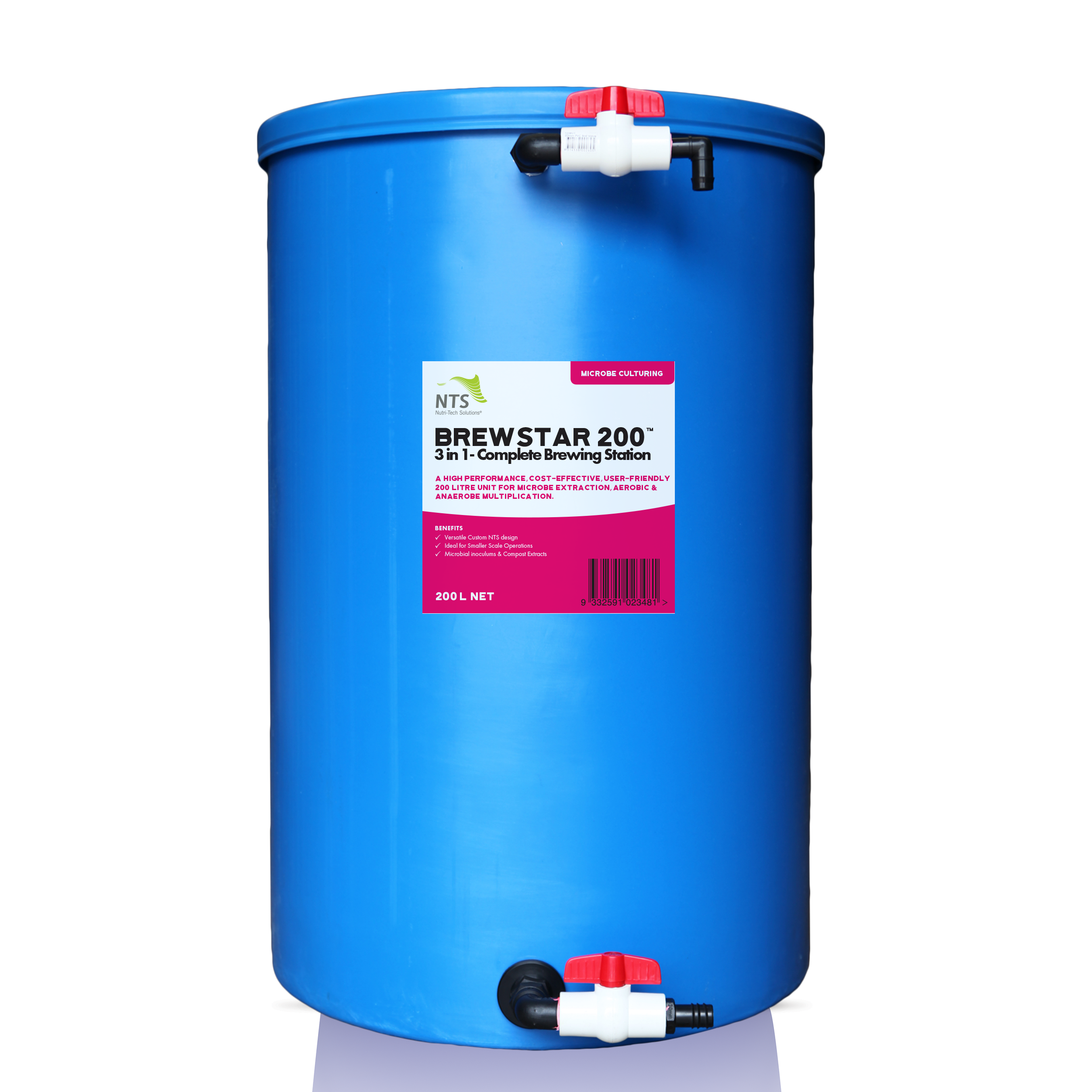
Brewstar 200 – 3 in 1™
The Brewstar 200 – 3 in 1™ is a fully assembled, user-friendly brewing station engineered by NTS to make professional microbial brewing accessible to every grower. Compact yet powerful, it’s the ultimate triple-purpose solution for brewing aerobic inoculums, anaerobic ferments, and compost/vermicast extracts.
Key Features
- 3-in-1 Design – Brew beneficial microbes, create anaerobic ferments like BAM™, or extract biology from compost/vermicast.
- Flexible Volumes – Suitable for 100 – 200 L brews.
- Complete Kit – Includes blower pump, diffuser, airtight lid with one-way valves, microbe extractor, mesh bag, hoses, clamps, and air filter.
- Versatile Applications – Ideal for market gardens, golf courses, landscapers, and small farms.
- Consistent Results – NTS designed for optimal dissolved oxygen, agitation, and microbial proliferation.
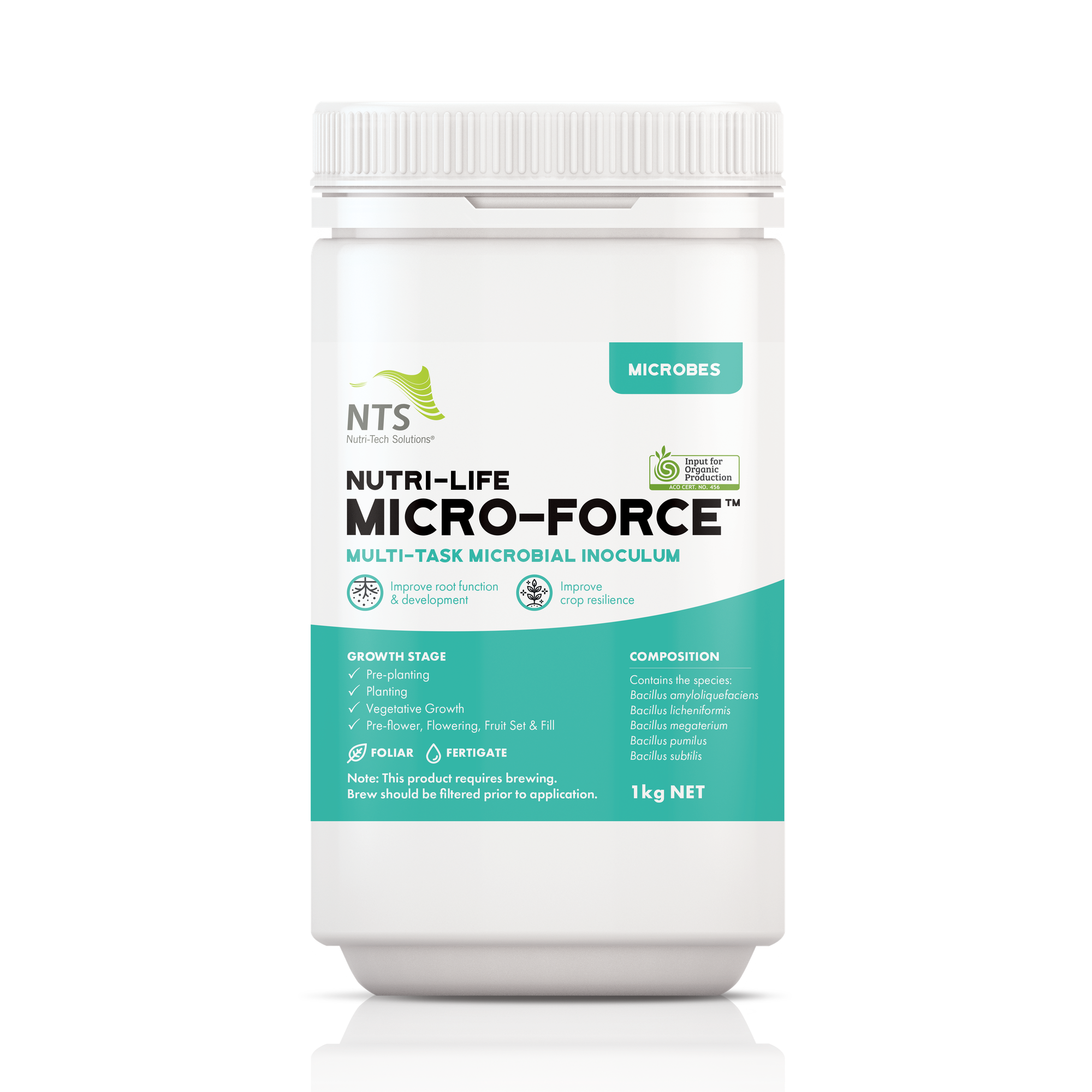
Nutri-Life Micro-Force™
Multi-task microbial inoculum
Nutri-Life Micro-Force™ contains a blend of beneficial soil and plant microbes specifically designed to produce a robust bacterial-dominated brew. On-farm brewing allows economical access to the diverse benefits of this species blend, which can be soil or foliar-applied depending on the desired result.
Product Benefits
- Australian Certified Organic (ACO) Registered Input for Organic Production 456.
- Increase nutrient solubilisation.
- Improve root development and function.
- Fix atmospheric nitrogen.
- Improve crop resilience.
- Bio-balancing blend.
To order or learn more, call NTS on (07) 5472 9900 or email sales@nutri-tech.com.au.
Certificate in Nutrition Farming
Our next iconic, five-day Certificate in Nutrition Farming® course is scheduled for Monday, 23rd - 27th March 2026.
Our last course was attended by growers and consultants from six countries. It was a wonderful learning opportunity where attendees enjoyed a wealth of education and inspiration from both our presenters and their fellow attendees. We only accept 40 bookings for these courses, so please register if you would like to attend.