🌱Getting back to Root Causes - The NTS Facial Eczema Protocol🌿

By Graeme Sait
One of the fatal flaws in pest management in agriculture is our tendency to treat symptoms rather than address root causes. There is often a dumbing down of a causative analysis because we think we have an adequate symptom-treating solution. A good example of this phenomenon relates to current seasonal issues in the dairy industry, relative to the management of facial eczema (FE). The industry has widely embraced the use of high-dose zinc as the sole panacea for this destructive disease.
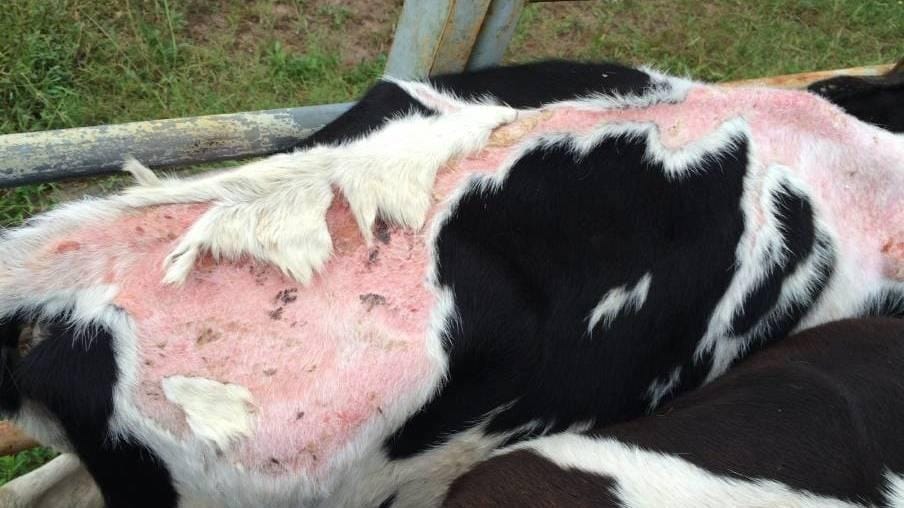
The reason for the use of zinc is sound. When zinc levels in the blood are maintained at luxury levels, it helps prevent the liver/bile duct damage associated with FE.
The major issue relates to not exceeding that sweet spot, and that can be difficult to manage without regular blood tests. Excess dietary zinc can lead to zinc toxicosis. In ruminants, symptoms may include reduced appetite, weight loss, diarrhea, decreased milk production, polyuria (increased urination), dehydration, and general malaise.
Chronic over‑supplementation has been associated with cellular degeneration in the liver, kidney and pancreas, which are organs that tend to accumulate excess zinc.
There have been documented cases in heifers: for example, heifers given twice the recommended intraruminal bolus dose of zinc suffered severe anaemia (low packed‑cell volume), haemolytic anaemia (red urine suggesting red blood cell destruction), severe damage to the abomasum (stomach), kidney lesions, and in some cases, death.
In other cases, animals with “sub‑optimal weight gain” despite abundant feed had histological evidence of chronic zinc toxicity (pancreatic fibrosis/atrophy), suggesting cumulative adverse effects over time.
It is clear that overdosing or uncontrolled zinc intake can seriously compromise health, even leading to death.
There is another issue here that relates to the negative impact of one mineral on another. Just as the application of zinc to crops can commonly induce a copper deficiency (particularly if copper is marginal), the same can happen with livestock
High zinc intake can impair absorption/metabolism of other important trace elements — notably Copper (Cu). Zinc and copper compete in the gut; excessive zinc can reduce copper uptake.
Because copper is crucial for many physiological processes (growth, reproduction, immune function), suppressing copper uptake can cause secondary deficiencies, with effects on production, reproduction, and general health — especially worrisome in young or pregnant animals. In fact, younger animals (calves, heifers) are reportedly more susceptible to zinc toxicity because they may absorb more zinc from the gut.
For dry stock (not milking cows), or young stock, a miscalculated zinc dose (e.g. standard bolus intended for heavier cattle) can be particularly risky.
We can see that there are problems with a dumbed-down, single-focus solution to a complex problem, and the cost of constant blood testing can be another drawback. Is there a better approach? Well, that’s what we do in Nutrition Farming. We always strive to get back to the root cause and solve the issue. Let’s look at how we approach facial eczema.
Here is a comprehensive regenerative & biological toolkit for reducing the risk of Facial Eczema (FE) in dairy pasture systems. Everything is evidence-based and grounded in the ecology of Pithomyces chartarum, liver resilience, mycotoxin binding, and the pasture conditions that drive sporulation.

Biological & Regenerative Strategies That Actually Work
1. Reduce Pithomyces chartarum Sporulation in the Pasture
A. Silica Enhancement (Top Biological Strategy)
Why? High soluble silica greatly reduces Pithomyces sporulation and strengthens liver & skin resilience.
Options:
- Potassium silicate (NTS Potassium Silicate or equivalent). 2–4 L/ha foliar every 3–4 weeks
- Diatomaceous earth (micronised) Dia-Life. 10 litres per hectare
- Silicated compost teas (If brewing capability exists) see my video about extracting silica from acacia or horsetail.
Benefits:
- Lowers FE spore counts
- Improves immune function
- Reduces inflammatory response in the liver
- Tougher epidermis → less photosensitivity
B. Biological Fungicides (Suppressing the Fungus Itself)
1. Competitive fungal/bacterial inoculants
Several beneficial microbes can directly suppress Pithomyces chartarum:
- Trichoderma spp. TrichoShield(proven antagonistic against a broad range of pasture fungi). Apply 100–200 g/ha (spores) or 2–4 L/ha liquid
- Bacillus subtilis / Bacillus amyloliquefaciens(produce lipopeptides that inhibit toxigenic fungi). 2 L/ha foliar or drench
- Note. These organisms can be multiplied on farm to provide a much more cost-effective option.
- Pseudomonas fluorescens (strong antifungal & silica-solubilising synergy). 1–2 L/ha foliar
Mode of Action:
✔ Outcompete Pithomyces✔ Produce antifungal metabolites✔ Reduce spore load in the litter layer✔ Improve leaf resistance
C. Pasture Management That Reduces FE Risk
(These are critical even with biological inputs)
1. Reduce dead litter at the base of the sward
Pithomyces thrives on dead cellulose.
Strategies:
- Tight grazing rotation to avoid mature, rank pasture
- Mulching or topping before litter accumulates
- Using cellulose-digesting microbes post-grazing:
- BAM (Beneficial Anaerobic Microbes )
- Fungal-dominant compost teas or vermicompost extracts
These rapidly break down cellulose before Pithomyces sporulates.
2. Increase mixed species → reduce FE-prone microclimates
Best proven species:
- Chicory
- Plantain
- Lucerne
- Herbs (yarrow, sheep’s parsley)
- Annual clovers
Deep roots and open swards = less warm fungal microclimates at the soil surface.
Note: always ensure that your legumes are functioning I.e they have nodules and these nodules have a red colour inside.
✅ 2. Strengthening the Animal (Biological Liver Protection)
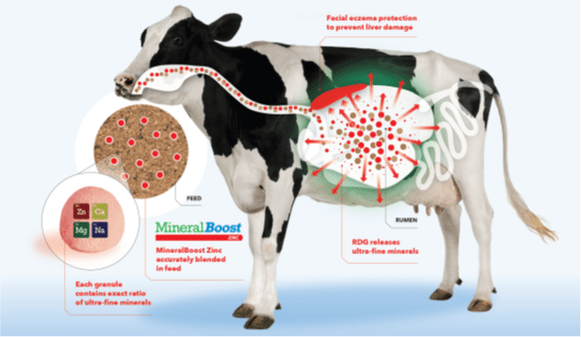
Even with pasture management, FE risk spikes after humid periods. A regenerative system utilises multiple natural protectants in conjunction with (not instead of) zinc.
A. Mycotoxin Binders (Biological & Natural)
1. Activated Charcoal / Biochar
One of the best natural binders for sporidesmin.
- 25–50 g/cow/day.
2. Yeast Cell Wall Extracts (MOS / β-glucans)
Strong binders for fungal metabolites.
- 10–20 g/cow/day
3. Humic & Fulvic Acids - StockSaver from NTS
Chelate mycotoxins & protect intestinal lining.
- 20 grams per 100 kg per week
- This rate can be doubled to rescue sick animals
B. Liver-strengthening Supplements
(Useful for animals already showing stress or during high-risk periods)
1. Turmeric + Black pepper extractStrong antioxidant + anti-inflammatory
- 20–30 g/cow/day (turmeric)
- Note: We offer a human health product called Curcu-Life, which is formulated with organic turmeric powder and black pepper. We could probably produce this in Bulk for around $50 per kg for Dairy cattle. That would work out at around $1 per day per cow. I’m not sure if that is too expensive. Please let me know.
- 2. Milk thistle (silymarin) Protects hepatocytes against sporidesmin
- 15–20 g/cow/day
3. Vitamin E + SeleniumCritical during oxidative stress
- Follow local regulations for safe selenium dosing
- Note. Stock Saver includes selenium.
✅ 3. Soil Fertility: Fixing the Root Cause
High FE risk correlates strongly with:
❗ Low calcium
→ encourages fungal dominance
❗ Low soluble silica
→ weak epidermis + high spore load
❗ Low copper & selenium
→ higher liver vulnerability
❗ High cellulose residues
→ Pithomyces habitat
Improving overall nutrition reduces FE by shifting soil biology away from fungal pathogens.
Regenerative additions that help:
- Lime + Gypsum (build Ca & S)
- Rock dust/basalt fines (silica source)
- Compost + vermicompost (microbial workshop)
- Humic substances (buffer moisture & drive fungal balance)
- Seaweed (Seachange) – provides mannitol & micronutrients
⭐ 4. The Most Effective Integrated Program (Practical Plan)
Pasture (every 3–4 weeks):
- Potassium Silicate – 3 L/ha
- Trichoderma or Bacillus – 2–4 L/ha
- SeaChange kelp – 2 L/ha
- FulvX – 300 mL/ha
After grazing or mowing:
- BAM brew – 20–40 L/ha
- Molasses – 2–4 L/ha→ accelerates the breakdown of litter
Animals (during high-risk season):
- Zinc at lower rates, as it will be better absorbed if combined with Stock Saver
- Activated charcoal – 25–50 g/day
- – 20–40 mL/day
- StockSaver - 20 grams per 100 kgs per week
- Milk thistle or turmeric as needed
I trust this has given you a better insight into how a more holistic approach can be more rewarding.
Feel free to contact me for a more comprehensive, chemical-free, holistic perspective of whatever issue is troubling you on the farm (or even with your own health). I am always happy to help.
Until my next blog, I wish you a fulfilling journey in nutrition farming.

Stock Saver Vet™
Stock Saver Vet™ is a humic and fulvic acid based multi-function tonic offering proactive stock health.
Features fulvic and humic acids derived from ancient plant matter. Fulvic acid is an electrolyte, which can maintain cellular balance. Humic acid can maintain optimum digestive health.
Product Benefits
- Australian Certified Organic (ACO) Registered Product 456AI.
- Convenient additive to stock food.
- Nutritional supplement to maintain health.
- Supports general health, vitality and digestion.
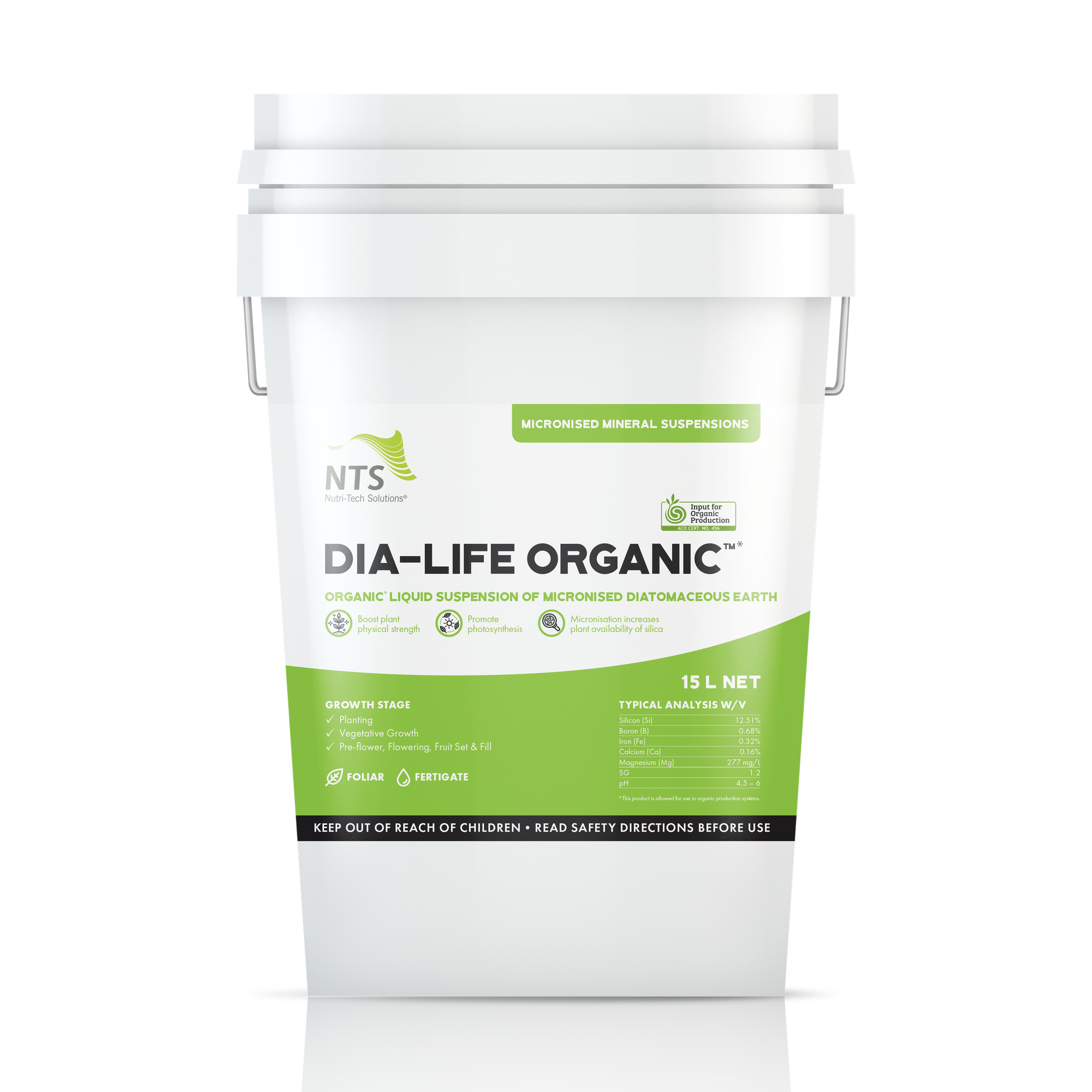
Dia-Life Organic™
Silicon, the cell-strengthener, is the missing link in many fertility programs, and can be a spectacular yield-builder.
Dia-Life Organic™ is based on a micronised diatomaceous earth, which contains 90% (approx.) silica in amorphous form – unlike quartz crystal, there is no risk of associated health problems. Diatomaceous earth (DE) consists of the microscopic, fossilised, chelated remains of diatoms – single-celled aquatic plants. A large part of the plant response is based on silicon, but DE also contains a broad range of micronutrients. Silicon also plays a role in photosynthesis and acts as a general tonic. Recently, boron has been identified as a silica synergist, so this formula contains boron at around 0.70%.
Product Benefits
- Australian Certified Organic (ACO) Registered Farm Input 456AI.
- Micronisation creates plant-available silicon.
- Silicon increases yield and quality.
- Silicon increases flowering and fruit-set.
- Silicon is a key element for turf grasses, dairy pastures, and other grass species like sugar cane.
- Boron is included as a silica synergist and for reproductive support.
To order or learn more, call NTS on (07) 5472 9900 or email sales@nutri-tech.com.au.
Certificate in Nutrition Farming
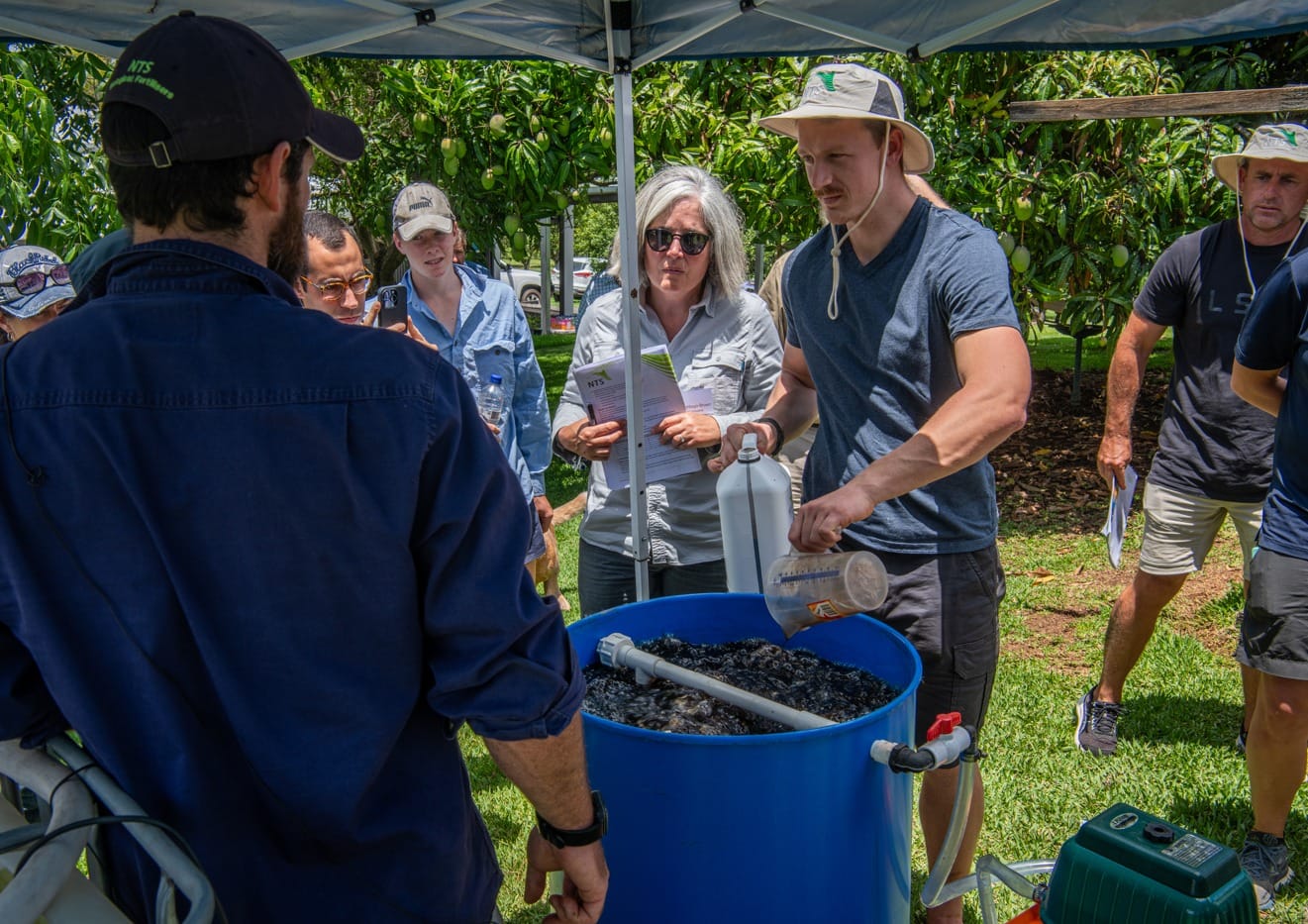
Our next iconic, five-day Certificate in Nutrition Farming® course is scheduled for Monday, 23rd - 27th March 2026.
Our last course was attended by growers and consultants from six countries. It was a wonderful learning opportunity where attendees enjoyed a wealth of education and inspiration from both our presenters and their fellow attendees. We only accept 40 bookings for these courses, so please register if you would like to attend.